Root rot and dead seedlings after transplanting vegetables? Pre-transplanting management is the key
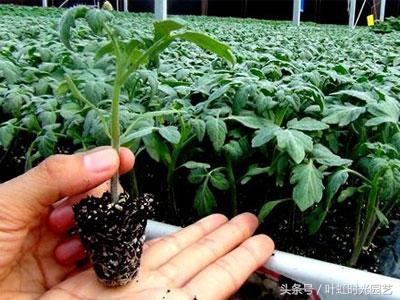
Many growers encounter problems such as root rot, wilting, and decaying roots in young seedlings after transplanting vegetables, which brings a lot of trouble to management. When this happens, it is often because the detail of pre-transplanting management has been neglected. Pre-transplanting management is the prerequisite for successful vegetable transplanting and good later growth, so it must be taken seriously! So what work needs to be done before transplanting?
1. Disinfect strictly to avoid soil-borne diseases:
Disinfecting the greenhouse and soil before transplanting can effectively reduce the occurrence of various soil-borne diseases later on.
Sulfur fumigation can be used to disinfect the greenhouse. The specific method is to use 3 kg per mu or 4 grams per cubic meter of sulfur, plus 8 grams of sawdust, light it, keep the greenhouse sealed for 24 hours, and then ventilate to exhaust the smoke.
You can also use 30% procymidone smoke agent at 300-500 grams per mu or 45% chlorothalonil smoke agent at 200-250 grams per mu, light it, seal the greenhouse for 3-4 hours, then ventilate to exhaust the smoke. Both of the above methods can kill pathogens in the greenhouse.
2. Scientifically select base fertilizer, and apply more organic fertilizer and microbial fertilizer
Before transplanting, base fertilizer should be selected reasonably. Using chemical fertilizer as base fertilizer is not ideal, and more organic fertilizer and microbial fertilizer need to be applied.
People have long applied excessive chemical fertilizer, and coupled with years of cultivation without deep plowing of the soil, salt accumulates in large amounts in the surface tillage layer, hindering root growth and nutrient absorption. Chemical fertilizer should be appropriately reduced, and the amount of organic fertilizer and biological microbial fertilizer increased.
Organic fertilizer can improve the soil and increase soil nutrients. When applying farmyard organic fertilizer, it must be fully decomposed. Undecomposed farmyard manure contains many pathogens and insect eggs, and can also easily burn seedlings.
Because biological microbial fertilizer contains a large amount of live beneficial bacteria, it can inhibit or kill pathogenic microorganisms in the soil through its own reproductive activities, reducing the occurrence of soil-borne diseases from the root. It can also significantly improve soil structure, release nutrients for crops to absorb, promote rooting, help form strong plants, and improve quality and yield.
3. Prepare the land and form ridges to facilitate later management
Preparing the land and forming ridges can improve the structure of the soil tillage layer and the surface state, coordinate factors such as water, nutrients, air, and heat within it, enhance soil fertility, and create a tillage environment more conducive to crop growth and later field management.
Follow Yehong Time Horticulture, and we will share more fertilizer knowledge with you every day. More friends are welcome to communicate with us. Your attention is our greatest encouragement.