-
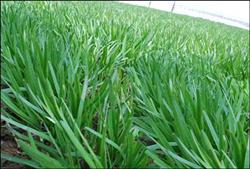
How to manage chives in autumn? A detailed guide to cultivation and management methods
How to manage chives in autumn? Please provide an introduction to the methods. After the Start of Autumn, the climate turns cooler, sunlight is abundant, and rainfall gradually decreases. Chives photosynthesize vigorously, grow quickly, and accumulate nutrients in the root system. This is the key period for strengthening seedlings and nourishing roots. In autumn, chives can be managed with reference to the following methods: Fertilizer and water management for chives: After the Start of Autumn...
-
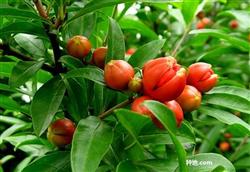
When Do Pomegranate Flowers Bloom? Key Management Techniques After Flowering
When do pomegranate flowers bloom? How should they be managed after flowering? I hope fellow gardeners can help explain. Pomegranate flowers begin to bloom at the end of April and finish in mid-June. They are generally divided into three periods: the first is dominated by flowers on leafy cluster branches (late April to early May); the second is dominated by flowers on short and medium branches, and the lateral flowers on leafy cluster branches and short branches also open during this period...
-
What are the management methods for persimmon trees after harvest?
What is the management of persimmon trees like after harvest? Experienced gardeners are also asked to help introduce management methods. In autumn, once the persimmons have been harvested, management of the persimmon trees begins. Therefore, Zhongdi Web has compiled the key points for managing persimmon trees after harvest, and they are listed in detail below for gardeners to reference. Want to...
-
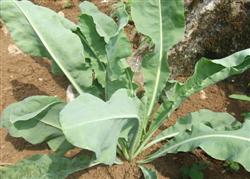
Detailed Explanation of Isatis Root Planting Management Methods and Technical Points
How to manage Isatis root planting? Please introduce the daily management methods. The daily management of Isatis root mainly includes field management and pest and disease control. For detailed methods, please refer to the following: Isatis root field management methods: When the seedlings are 7-10 cm tall, thin them out; when the seedlings are 12 cm tall, set the spacing, with a plant spacing of 7-10...
-
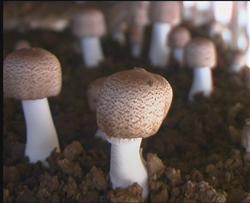
What are the post-harvest management methods for Agaricus blazei?
How do you manage Agaricus blazei after harvesting? Please note that it is more suitable to harvest Agaricus blazei when the fruiting body is 5-15 cm tall and the cap has not yet opened. In one cultivation cycle, Agaricus blazei can produce 3-5 flushes of mushrooms. After each flush is harvested, the mushroom stumps, fragments and other debris on the bed must be cleaned up thoroughly, new soil should be added to any depressions, watering should be stopped, and ventilation should be provided appropriately. Let the mycelium rest for 2-3 days, then resume watering to adjust moisture, cover with plastic film, and begin the fruiting management for the next flush.
-
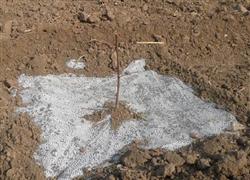
Key Technical Points for Scientific Management of Kiwifruit Seedlings
How should kiwifruit seedlings be managed? Experienced growers are also asked to share their methods. Kiwifruit has tender, fresh quality, rich nutrition and delicious flavor. It is a fruit that people love to eat, has beautifying and skin-care effects, and helps delay skin aging, so it is deeply loved by people of all ages. Therefore, in recent years, kiwifruit has been widely planted, and for this reason...
-
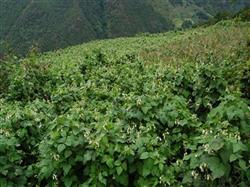
What should be paid attention to in the flowering period management of kidney beans?
What should be paid attention to during the flowering period of kidney beans? Please give an introduction. The following points should be noted during the flowering period of kidney beans: 1. High temperature. Kidney beans do not like high temperatures, and higher temperatures often cause excessive vine growth and flower and pod drop in kidney beans. In spring, the temperature inside the greenhouse is relatively high, and if ventilation is not strengthened, the flowering and fruit-setting rate of kidney beans will certainly not be very high...
-
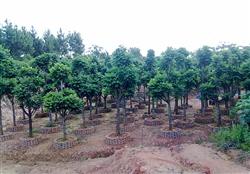
A Detailed Guide to the Planting Techniques and Management Methods for the Renmian Tree
The renmian tree, also known as yinlian fruit or renmianzi, is an evergreen tree in the genus Dracontomelon of the Anacardiaceae family. Its crown is rounded and umbrella-shaped, with a graceful, tall and vigorous form, and it can grow to more than ten meters high. It produces white flowers in early summer each year, and by July it bears fruit. The fruit of the renmian tree is shaped like a small pear, with green skin, and eating it is so sour it makes your teeth ache...
-
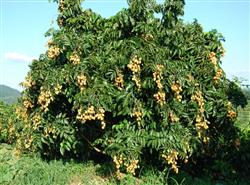
How to Grow Seedless Wampee? A Detailed Guide to Cultivation Techniques and Management Methods
How is seedless wampee cultivated? How is seedless wampee managed? We also ask experienced netizens to help introduce it. Seedless wampee is a relatively superior variety selected by the Horticulture Research Institute of the Guangxi Academy of Agricultural Sciences from seedless wampee varieties introduced from within and outside the region. It has a high seedless rate (generally reaching over 95%), high nutritional content (seedless...
-

Detailed Explanation of Key Management Techniques for Autumn Planting of Gastrodia elata
I have a batch of Gastrodia elata planted, and now that autumn has arrived, what should I pay attention to regarding Gastrodia elata? Also, how should Gastrodia elata be managed after autumn begins? Please help introduce the management methods for Gastrodia elata after autumn begins. You can refer to the following list, and if you have your own views, you can send them to Zhongdi Network for analysis. After autumn begins for planted Gastrodia elata, in the morning and evening and at night...
条件筛选