What should be paid attention to in the flowering period management of kidney beans?
What should be paid attention to during the flowering period of kidney beans? Please give an introduction. The following points should be noted during the flowering period of kidney beans: 1. High temperature. Kidney beans do not like high temperatures, and higher temperatures often cause excessive vine growth and flower and pod drop in kidney beans. In spring, the temperature inside the greenhouse is relatively high, and if ventilation is not strengthened, the flowering and fruit-setting rate of kidney beans will certainly not be very high...
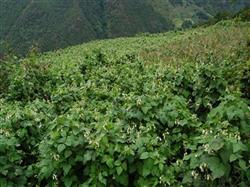 What should be paid attention to during the flowering period of kidney beans? Please give an introduction
The following points should be noted during the flowering period of kidney beans:
1. High temperature. Kidney beans do not like high temperatures, and higher temperatures often cause excessive vine growth and flower and pod drop in kidney beans. In spring, the temperature inside the greenhouse is relatively high, and if ventilation is not strengthened, the flowering and fruit-setting rate of kidney beans will certainly not be very high, and even after fruit set, flower and pod drop will still occur. Therefore, if you want to achieve high yield of kidney beans, regulating the temperature during the flowering period is very critical. Generally, the most suitable temperature for kidney beans during the flowering period is 20-24°C. When it is higher than 24°C, the fruit-setting rate decreases, and when it is higher than 28°C, severe flower and pod drop will occur.
2. Watering. Watering during the flowering period will cause flower and pod drop in kidney beans, so watering must be prohibited during the flowering period. To prevent the soil in the greenhouse from being too dry during the flowering period of kidney beans, a small amount of water can be run through the planting furrow before flowering to ensure that the soil is not excessively dry during the flowering period of kidney beans.
3. Boron deficiency. Boron deficiency is also one of the important causes of flower and pod drop in kidney beans, so boron fertilizer must be sufficiently supplemented before kidney beans flower. Spraying 600 times diluted borax solution or 1200-1500 times diluted Sulubor solution can significantly increase the flowering and fruit-setting rate and avoid flower and pod drop. It should be emphasized that boron deficiency in some vegetable plots is mostly caused by excessively dry soil, which hinders the root system's ability to absorb fertilizer. Therefore, during the flowering period of kidney beans, attention should also be paid to keeping the soil from being too dry or too wet.
4. Improper use of pesticides. Kidney beans should avoid pesticides containing pyrimethanil, mancozeb, anthracnose fumei, or diethofencarb, and copper-based preparations should also be used at half the rate. Kidney beans are relatively sensitive to pesticides during the flowering period and are often prone to pesticide damage, especially with pyrimethanil.
Therefore, when using pesticides on kidney beans at ordinary times, pesticides containing the above components must not be selected. Spraying such pesticides will not only cause yellowing of leaves, but in severe cases will also cause flower and pod drop. In addition, when using pesticides, attention should also be paid to scientifically and reasonably preparing the pesticide concentration. Generally, spraying should be stopped during the flowering period to avoid pesticide damage, which can lead to a major outbreak of flower and pod drop in kidney beans.
Click to get more kidney bean cultivation techniques
Click to get more grain and oil crop cultivation techniques