-
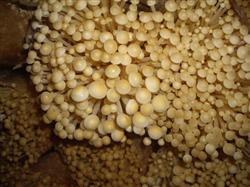
Five methods of water management during the fruiting period of enoki mushroom
Enoki mushroom (Flammulina velutipes) is both a delicious food and a fairly good health food, and its domestic and international markets are increasingly broad. However, enoki mushroom cultivation and management have relatively high requirements, especially the water requirements for fruiting body development. China Agricultural Technology Network now introduces water management methods for reference. Moisture retention to promote pinning. When the mycelium reaches the bottom of the bag...
-
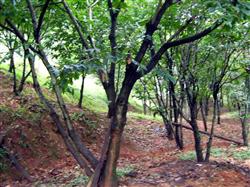
What are the key points of summer management techniques for chestnut?
How to manage chestnut in summer? Please give an introduction. From July to August, the chestnut fruit development is in the swelling stage. Timely completion of work such as topdressing fruit-strengthening fertilizer, intertillage and weeding, pest and disease control, and summer pruning is very important for obtaining high-quality and high-yield chestnuts. Fertilization and weeding: Applying fruit-strengthening fertilizer is the second topdressing for chestnut trees. In early July...
-
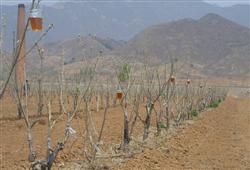
How to manage young chestnut trees well? Mastering these management points is key
How to manage young chestnut trees well? Please provide an introduction to the methods. Young chestnut trees can be managed by referring to the following methods: 1. Management after chestnut grafting: After the scion of a newly grafted young tree survives, first remove the sprouts on the rootstock so that all nutrients are concentrated in the new shoots; for large chestnut trees undergoing top grafting replacement, some sprouts may be appropriately retained...
-
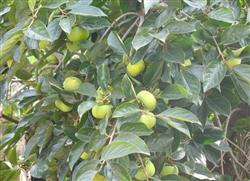
What are the key technical points for summer management of persimmon trees?
How should persimmon trees be managed in summer? Please provide guidance. The summer management methods for persimmon trees can refer to the following points: 1. Fruit thinning. For astringent persimmons, from mid-May to early June; for sweet persimmons, from early June to early July. After the physiological fruit drop ends, select and keep healthy young fruits free of pests and diseases at a ratio of 20-25 leaves to one fruit. What should be removed are deformed fruits, pest- and disease-damaged fruits, fruits set on branches less than 15 cm long or with fewer than 5 leaves, and fruits on the base and tips of bearing branches.
-
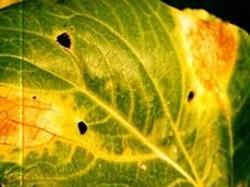
What are the key points to note in rapeseed cultivation and management?
How to prevent and control black rot in rapeseed? Please advise. The symptoms of black rot in rapeseed mainly affect leaves, stems and siliques. Both seedlings and mature plants can be affected. Infected leaves show yellow "V"-shaped spots, dark brown veins, and dark green water-soaked petioles, sometimes with yellow bacterial ooze, and the lesions expand until the leaves dry up. After bolting, the main axis...
-
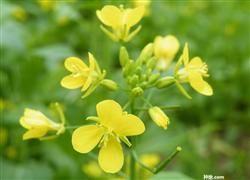
What are the key management techniques during the flowering stage of rapeseed?
How should rapeseed be managed when it blooms? Please note that during the flowering period of rapeseed, the following methods can be used for management: 1. Control aphids and spray boron fertilizer on the leaves. At present, controlling aphids is beneficial for field operations and effectively controlling the damage to rapeseed by aphids later on. The pesticide should be selected from those with stomach, contact, or fumigant action such as "..."
-
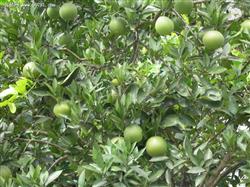
Detailed Explanation of Key Management Techniques for Navel Orange in June
How to manage navel orange in June? Please provide a detailed introduction to the management methods. The main points of navel orange management in June are as follows: I. Management of mature trees 1. Continue to remove summer shoots to protect fruit. 2. Weed and loosen the soil, and mulch the tree disc for mature trees with smaller canopies that have not yet closed their rows. 3. Continue to prevent navel yellow fruit drop; apply a mixture of navel-yellow inhibitor and 70% thiophanate-methyl at 600 times dilution to the navel of the fruit, which can prevent infectious navel yellow fruit drop.
-
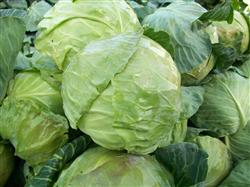
Key Technical Points for Head Cabbage Cultivation and Management
How do you manage head cabbage? Please provide guidance. For cultivating and managing head cabbage, you can refer to the following methods: 1. Irrigation. Cabbage is a vegetable that needs a lot of water, and it must be irrigated many times during cultivation. According to the different water needs at different growth stages, it can be divided into irrigation at the seedling stage, the rosette stage, and the heading stage. 1. Seedling...
-
Cabbage Planting Methods and Management Points for Autumn and Winter
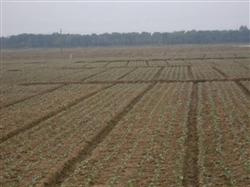
How to plant cabbage in autumn and winter? Please advise on planting techniques. For planting cabbage in autumn and winter, you can refer to the following methods: 1. Varieties: For autumn cabbage harvested within the year, generally choose flat-head types, such as Meimao No. 2, Chuncai, Lushen, Qiangli 60 and other varieties. For cabbage overwintered and delayed for harvest, generally choose...
-
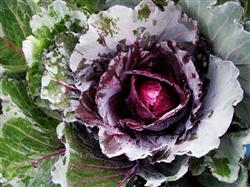
Key Management Techniques for Autumn Planting of Purple Cabbage
How do you manage purple cabbage planted in autumn? Here is an introduction to how to manage it at each stage. The key management points for each stage of autumn-planted purple cabbage are as follows: First, seedling stage management. 1. Pay attention to preventing pests and diseases at the seedling stage. Autumn purple cabbage is generally sown in early July, and the seedling stage mainly requires preventing damage from fungi and soil-dwelling pests. To prevent seed-borne bacteria and soil-borne diseases, the seeds can be dressed with Miaojundi at a 1:1 ratio; to prevent soil-dwelling pests, before sowing, the seedbed surface can be sprayed with chlorpyrifos 1500x solution. At the same time, note that after emergence, every 7 days, spray the leaves with Amistar 1500x solution to prevent diseases such as damping-off and seedling blight at the seedling stage.
条件筛选