-
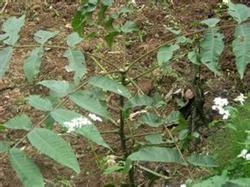
A Detailed Guide to Walnut Cultivation Techniques and Management Methods
Cultivation Value Walnut is an important oilseed fruit tree with high economic value. Besides being rich in fat, walnut kernels are also high in protein, vitamins and various minerals, and are often used as a premium tonic food with certain medicinal effects. China's walnut kernels are of good quality and high oil content, and are well received on the international market...
-
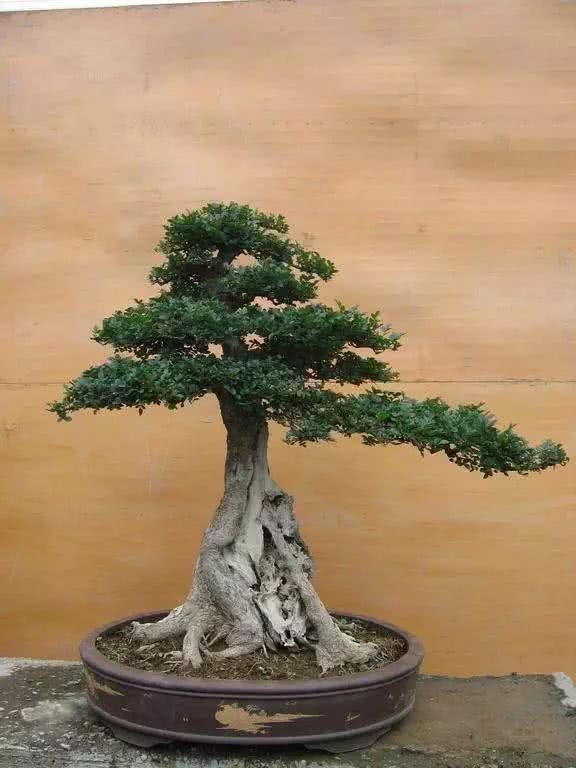
A Detailed Guide to the Care and Management Methods for Chinese Ash Bonsai
The Chinese ash (Fraxinus hupehensis) has strong sprouting ability and grows fast. In today's fast-paced world, it happens to provide bonsai enthusiasts with creative space and a medium. I believe this is exactly where the Chinese ash's advantage over other bonsai tree species lies. In growing Chinese ash...
-
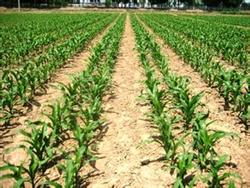
Detailed Guide to Sweet Corn Cultivation Techniques, Full-Course Guidance from Sowing to Management
Autumn corn is best direct-seeded with no-tillage after mid-July. After harvesting the previous corn crop, promptly clean the field, and early sowing at the earliest opportunity is key; deep plowing is generally not required. 1. Sun-dry the seeds for 2-3 days, and soak them for 4-6 hours before sowing to promote uniform and even emergence. Arrange the plant spacing at a density of 3500-4000 plants per 667 sq m...
-

Detailed Explanation of Daily Technical Points for Pomelo Cultivation and Management
1. Strengthen spring shoots and promote their turning green and vigorous growth. When spring shoots are 4-7 cm long, spray 15% paclobutrazol at 600 times dilution to make the spring shoots short and sturdy and the flower clusters robust. During the leaf expansion stage of spring shoots, spray the tree canopy with Lufenwei to promote leaf greening. 2. Plastic film mulching to retain moisture and lower temperature. In summer and autumn, temperatures are high and soil moisture evaporation is great, so between orchard rows...
-
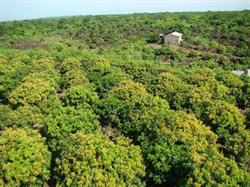
Key Points of Lychee Cultivation Techniques and Planting Management Methods
Cultivation Techniques 1. Shaping and pruning of young lychee trees. Young trees are mostly shaped into a round-headed form with main branches, completed within 2-3 days after planting. Methods such as pulling, propping, pushing and hanging are used to adjust the growth angle and orientation of branches. Pruning and shaping of young trees are carried out simultaneously; before new shoots sprout, methods such as pinching, heading back, thinning and bud removal are used to suppress shoot growth and promote branching. Pruning should be light rather than heavy, mainly removing crossing branches, overly dense branches, curved branches, weak and small branches, as well as flower spikes that are not allowed to bear fruit, so that nutrients are effectively used to expand the canopy.
-
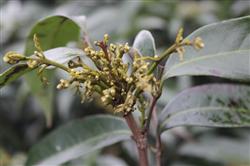
Detailed Explanation of Key Management Techniques During the Flower Bud Differentiation Stage of Lychee
I. Protect the functional leaves. The functional leaves ?? autumn shoots play an important role in flower bud differentiation, flowering and fruiting. While controlling shoots and promoting flowering, attention should be paid to preventing and controlling pests and diseases to protect intact autumn shoots. II. Kill off winter shoots. The sprouting of winter shoots causes the plant to change from reproductive growth to vegetative growth, consuming nutrients, so...
-
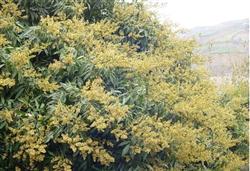
Early fruit retention for lychee and longan: timely management to reduce fruit drop
Lychee downy blight mainly harms flower panicles and fruit, causing panicles to dry up, young fruit to drop, and ripe fruit to rot and deteriorate. After temperatures rise in early spring, it first infects flower panicles, then young fruit and ripe fruit. If the occurrence and infection of this disease cannot be controlled before flowering, then young fruit and ripe fruit will be damaged...
-
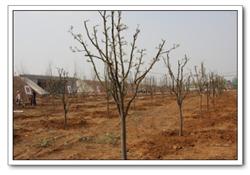
Detailed Explanation of Key Points for Fertilization and Water Management Techniques for Apricot Trees
I. Fertilization In the first year after planting, young trees are fertilized with light, frequent applications in order to rapidly expand the canopy and form a certain number of flower buds. The first fertilization is applied when the trees sprout after planting, after which a topdressing is applied once every 15-20 days, mainly with urea, combined with phosphorus and potassium fertilizers and organic fertilizer. Topdressing is stopped in early July, with appropriate water control...
-
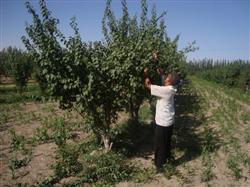
Five Key Points of Apricot Tree Management After Harvest
1. Thinning branches: Thin out overly dense perennial branches inside the canopy and new apricot shoots sprouting from scaffold branches. When branches are well spaced, red apricots hang in clusters; when branches are crowded, the fruits hang empty. Therefore, any branch in an unsuitable position or not planned to be kept as a renewal branch should be thinned out as early as possible. 2. Pinching: Pinching means cutting off the terminal bud at the tip of an apricot shoot. Generally, pinch off...
-
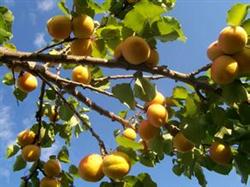
Secrets to Increasing Apricot Yields: Getting These Management Practices Right Is Key
"Yunda Whole-Tree Fruit" is a new special growth promoter for fruit trees and fruiting vegetables (such as tomatoes, eggplants, melons, etc.) that balances the shift from vegetative growth to reproductive growth. Its main features are: ① No phytotoxicity, leaving no residue in the fruit, achieving a pollution-free product and becoming a green, trusted product. ② Fast flower promotion, able to quickly...
条件筛选