-

Detailed Explanation of Key Sugarcane Management Techniques in Autumn
Key Points for Sugarcane Management in Autumn
-

Management Techniques for Apple Trees After Harvest
Apple trees have basically finished dropping their leaves before late September. For early-leaf-drop fruit trees, the accumulation of organic nutrients is significantly reduced, which affects the late differentiation of flower buds and next year's flowering and fruit setting, and has an adverse effect on the trees' overwintering. Rot disease and early leaf drop disease will also occur more severely. In order to reduce losses, remedial work should focus on the following in winter and spring...
-
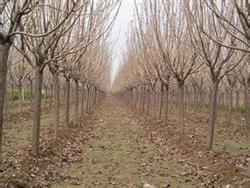
What are the key points for summer management of sweet cherries?
Autumn is the peak period for fruit tree root growth and also a critical period for the tree to accumulate nutrients, so fertilizer cannot lag behind. Right now, there are many finer points to fertilizing sweet cherries in Yantai. When it comes to the essentials of applying base fertilizer in autumn, the first thing to emphasize is "early." It is generally done in September-October, but early application in September gives the best results...
-
How to Cultivate the Late Autumn Shoots of Lychee? Detailed Management Measures
Fertigation technology combines fertilization with irrigation, applying fertilizer through drip irrigation equipment. Applying automated drip fertigation technology to the lychee cultivars Heiye, Feizixiao, Nuomici, Guiwei and Huaizhi can significantly increase lychee yield, raise the proportion of large fruits, and ensure high and stable yields; it significantly saves labor, fertilizer and...
-
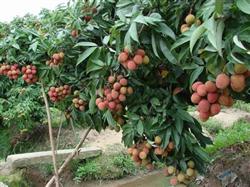
Key Technical Points for High-Quality, High-Yield Lychee Cultivation and Management
Site selection and planting: For high-yield lychee cultivation, hills or slopes with open terrain, loose and fertile soil, deep soil layers, and a water source should be selected, as they are ideal for developing a planting orchard. Lychee mycorrhizae are aerobic, so loosening the soil, improving the soil, and ensuring loose, well-aerated conditions are necessary to promote root development. Soil fertilization should follow the principle of frequent light applications. Spray timely with...
-
Cultivation and Management Techniques for Young and Fruiting Lychee Trees
Lychee belongs to the Sapindaceae family and originated in our country. It is one of the four famous fruits of southern China, with a cultivation history of over 2,000 years. The following growth characteristics of young lychee trees have been summarized from lychee cultivation experience: (1) low branching order of shoots; (2) large shoot growth volume; (3) vigorous root growth; (4) early flowering period...
-
Detailed Explanation of Key Points for Scientific Management of Lychee in May
Rainy weather in May will bring difficulties to lychee management. Therefore, for early and mid-season varieties, the following management suggestions are proposed for the reference of fruit growers. Early-maturing varieties, such as Sanyuehong, are now entering the coloring stage. The focus is on controlling the lychee fruit borer and lychee downy blight. Low-toxicity and high-efficiency pesticides should be used to help...
-
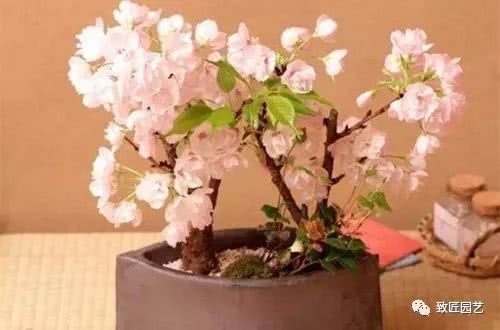
Cherry Blossom Bonsai Care Methods and Daily Management Tips
Cherry blossoms are generally suited to being planted in the ground, and bonsai is relatively rare, because bonsai is harder to care for than ground planting, so if you want a cherry blossom bonsai to bloom brilliantly, you have to put in the effort with care. So, how do you care for a cherry blossom bonsai? 03:121. Potting soil Potted cherry blossoms...
-
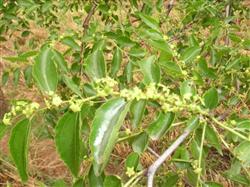
Detailed Explanation of Key Technical Points for Soil, Fertilizer and Water Management of Jujube Trees
Jujube trees have a relatively long flowering period and prefer moisture while fearing drought. At full bloom, when 60% of the flowers are open, clean water can be sprayed evenly over the jujube flowers, once every 2 to 3 days, for 2 to 3 consecutive sprays, which can increase the fruit-setting rate. When more than 1/3 of the jujube flowers are open, spray 0.5% urea and 0.4% potassium dihydrogen phosphate or Tianrun No. 1 solution, once every 5 to 7 days...
-
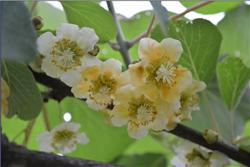
What are the key technical points for kiwifruit management after flowering?
The 40 days after kiwifruit flowers fall are a critical period for kiwifruit management. The fruit expands rapidly and requires large amounts of nutrients and water. 1. Fertilization: after the flowers fall, in mid-May, apply urea, diammonium phosphate, potassium chloride or a three-element compound fertilizer in a timely manner. For a full-bearing orchard, apply 20 kg of urea, 15 kg of diammonium phosphate, and 20 kg of potassium chloride per mu. The fertilization method is broadcasting followed by intertillage.
条件筛选