-
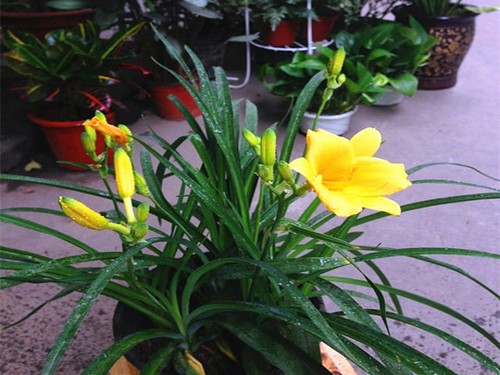
Detailed Explanation of Daylily Planting Techniques and Management Key Points
Although daylily flowers originally originated mainly in China, they have not been much improved for a long time. After the 1930s, some botanical gardens and gardening enthusiasts in the United States collected Hemerocallis plants produced in China, Japan and other countries for cross-breeding. There are now more than 10,000 varieties, making them important ornamental and cut flowers.
-
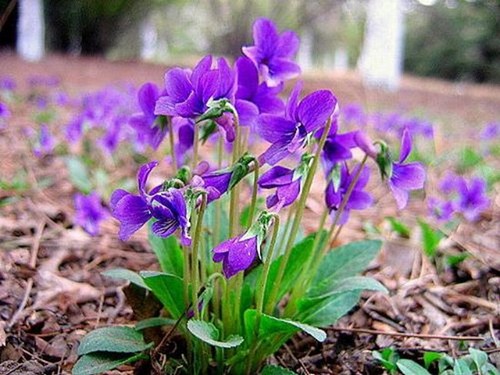
Detailed Guide to Planting Techniques and Management Methods for Viola mandshurica (Chinese violet)
After autumn, the stems and leaves of Viola mandshurica remain as green as ever, with small needle-like fruits beside the flowers, and the above-ground parts do not wither until early winter. Therefore, it is an excellent ground cover plant, and can also be planted in gardens to decorate flower borders or nestle into lawns. Viola mandshurica is a common ground cover plant, a perennial herb with a plant height of 10-15 cm. Because its flowers are purple
-
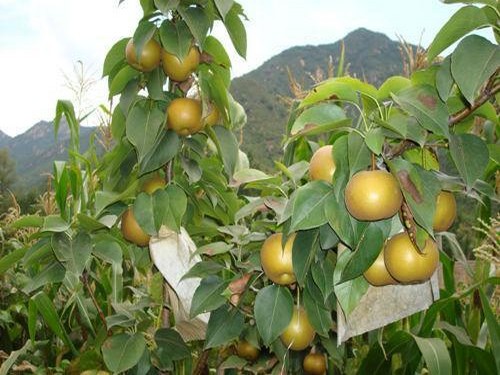
Detailed Explanation of Key Points in Pear Tree Planting and Management Techniques
In parks, to highlight its individual beauty, the pear tree can be used as a specimen planting in park landscaping. Generally, an open and spacious location is chosen, such as the edge of a lawn, the center of a flowerbed, a sunny corner, or both sides of an entrance. In spring, snow-white pear blossoms bloom in profusion; in autumn, abundant pear fruits hang heavily on the branches, creating a beautiful scenery in the park
-
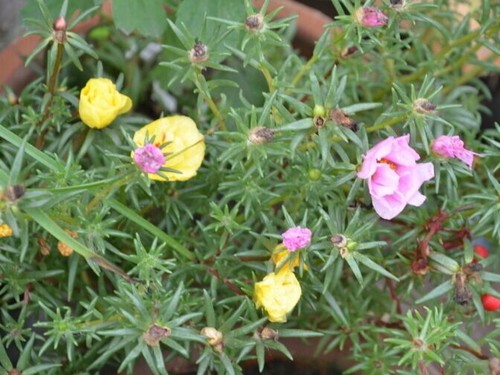
Detailed Explanation of the Planting Techniques and Management Methods of Scutellaria barbata
Scutellaria barbata is a plant of the Lamiaceae family. Its dried aerial parts have functions such as clearing heat and detoxifying, invigorating blood and removing stasis, reducing swelling and relieving pain, and fighting cancer. Jiang Yi's "Supplement to the Mirror of Materia Medica" records Scutellaria barbata as the immortal herb for treating snake bites. In folk medicine, besides treating venomous snake bites, it is also used to treat tumors, with a certain short-term curative effect.
-
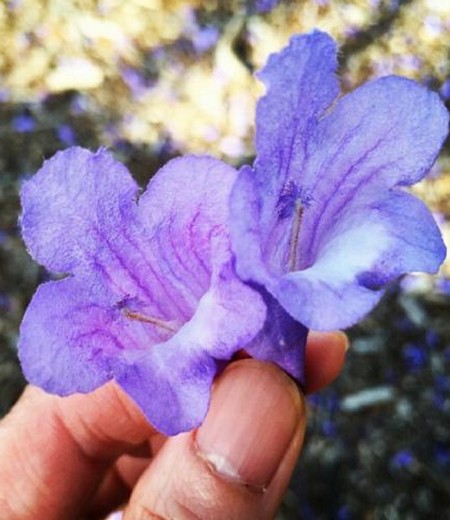
Detailed Explanation of Jacaranda Planting Techniques and Management Key Points
Jacaranda (Jacaranda mimosifolia), a deciduous tree of the Bignoniaceae family, reaching up to 15 m tall. Native to Brazil in South America, it has been introduced and cultivated for ornamental purposes in China in recent years. It is a tree valued for its ornamental form, foliage and flowers, widely planted as a street tree in tropical and warm subtropical regions. The wood is yellowish-white to grey, soft and light, with straight grain, easy to work, and can be used as furniture timber
-
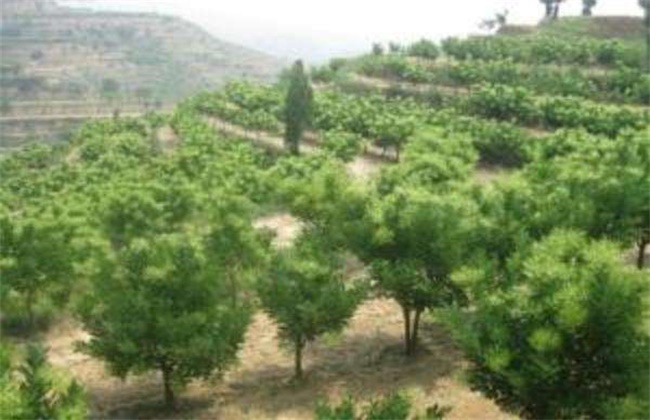
How to grow Sophora japonica flower buds? Detailed explanation of planting techniques and management methods
Sophora japonica flower bud planting techniques
-
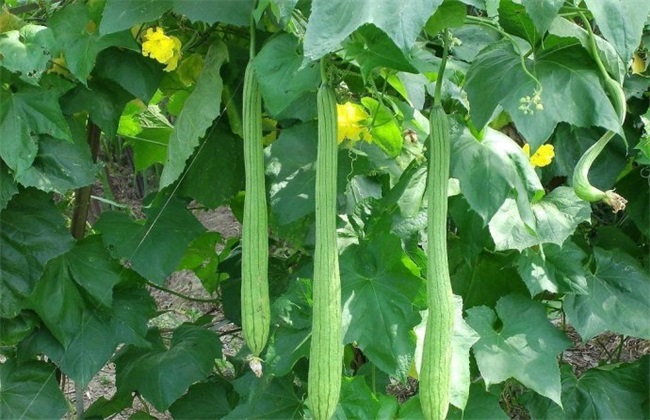
Key Technical Points for Open-Field Cultivation and Management of Luffa
Open-Field Luffa Cultivation and Management
-
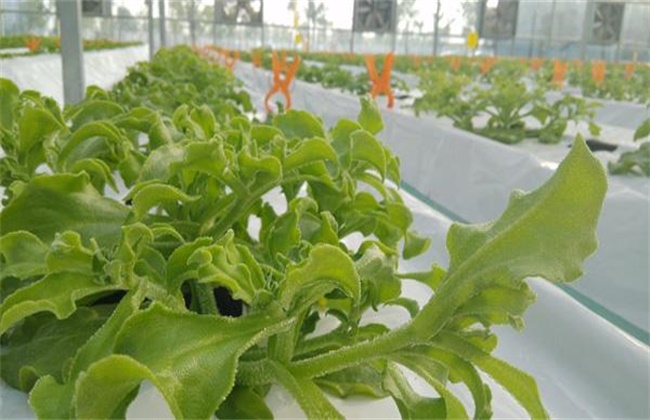
A detailed guide to mesembryanthemum planting techniques, from sowing to management
Mesembryanthemum planting techniques
-
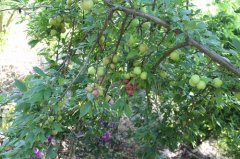
Plum Tree Cultivation and Management Methods, Plus Fertilization Timing and Application Rates
The plum is a fruit we see often, but do you know how it is grown? Is it the same as the cultivation method for Black Amber plums? 1. Propagation Plum trees, depending on the species or cultivar, can be propagated by cuttings, layering, division and root cuttings, but grafting is generally used.
-
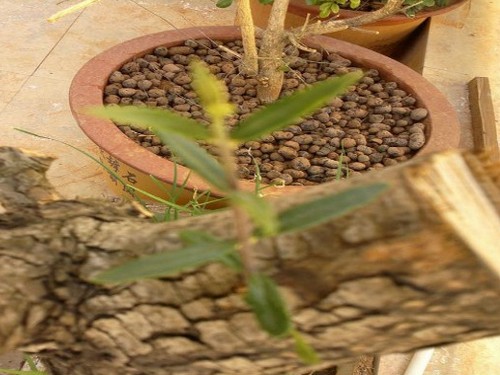
Black Locust Planting and Cultivation Techniques and Management Key Points
Black locust wood is hard and resistant to water and moisture. It can be used for mine props, sleepers, vehicles, and agricultural timber. The leaves contain crude protein and are good feed for many livestock. The flowers are an excellent nectar source plant; black locust honey is white and transparent and is well received by consumers. The tender leaves and flowers are edible and have now become a green vegetable for urban residents.
条件筛选