How to grow Sophora japonica flower buds? Detailed explanation of planting techniques and management methods
Sophora japonica flower buds, also known as sophora flowers and sophora flower buds, are the dried flowers and flower buds of Sophora japonica, a plant in the Fabaceae family. They have extremely high medicinal value, with effects of cooling blood and stopping bleeding, clearing the liver and purging fire, and are mainly used to treat bloody stools, hemorrhoidal bleeding, bloody dysentery, headache and dizziness, and other conditions. At present, they are widely cultivated in various places in China, so how are sophora japonica flower buds grown? Let's learn about it together.
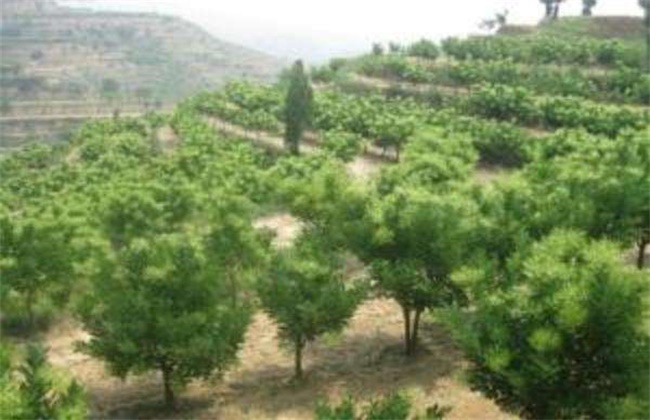
1. Site selection and land preparation
Sophora japonica flower buds have low soil requirements and can be cultivated in places with deep soil layers. They can also grow normally in limestone soil and mildly saline-alkali soil. The best soil is sunny, moist, deep, fertile, and well-drained sandy loam. After selecting the site, deep plow 60 cm, break up the soil finely, level it, and make beds. The bed width is 70 cm. Apply sufficient base fertilizer; generally, apply 500 kg of decomposed organic fertilizer or 5 kg of urea per mu, and 3000-4000 kg of farmyard manure. Spread it evenly on the bed surface and mix it evenly with the soil.
2. Seed germination
Generally, seeds can be collected from October to winter. Select plants over 30 years old, growing robustly, and free from pests and diseases for seed collection. After the seeds are harvested, soak them in water, then rub off the fruit peel to obtain the seeds. In early March, soak them in 80-degree hot water for 5-6 hours. After removing them, mix them with twice their volume of sand, place them indoors and spread them flat at a thickness of 20-25 cm. Sprinkle wet sand on top and cover tightly to prevent the seeds from being exposed. Then cover with a layer of plastic film to keep warm and moist and promote seed germination. At the same time, turn them frequently so that the moisture of the upper and lower layers of seeds is consistent and germination is uniform. When one third of the seeds have cracked open, they can be sown.
3. Sowing and seedling raising
Generally, field ridge sowing is used, with ridges made at 50-65 cm. When sowing, open shallow furrows on the ridges, about 7 cm deep. After sowing, apply base fertilizer, then cover with 5 cm of soil and press firmly. After sowing, pay attention to maintaining soil moisture, and also pay attention to damage from bean seed flies. After the seedlings emerge uniformly, thin them 2-3 times, and set the final spacing at 10-15 cm between plants. From May to August, weed according to field conditions and keep the nursery land clean. During the rainy season, pay attention to drainage and waterlogging prevention. After the seedlings drop their leaves and before the ground freezes, dig up the seedlings, grade them, heel them in for overwintering, and transplant them the following year.
4. Transplanting management
After the soil thaws the following year, transplant one-year-old seedlings at a row spacing of 70×40 cm, and carry out watering and fertilization at the same time. Usually, after 2 years of cultivation, in the third year select large seedlings 1 m tall for permanent planting. Substandard small seedlings are cultivated for another year before permanent planting. After permanent planting, strengthen management, apply sufficient water and fertilizer, and enhance the plants' disease resistance. In addition, do a good job in pest and disease control to avoid harm to plant growth and development. Harvest when flower buds form in summer, dry them promptly, remove branches, stems, and impurities, and then the medicinal sophora japonica flower buds are obtained.
The above is an introduction to sophora japonica flower bud planting techniques. We hope it can help you. To learn more related knowledge, please follow us.