Key Technical Points for Open-Field Cultivation and Management of Luffa
Luffa is a common cucurbit vegetable in our daily lives, with very large market demand, and it is also widely grown in China. When growing luffa, management work is very important, and the quality of management directly affects the yield and quality of luffa. So how should open-field luffa be managed? Below, the editor brings you the key cultivation and management points for open-field luffa. Let's take a look!
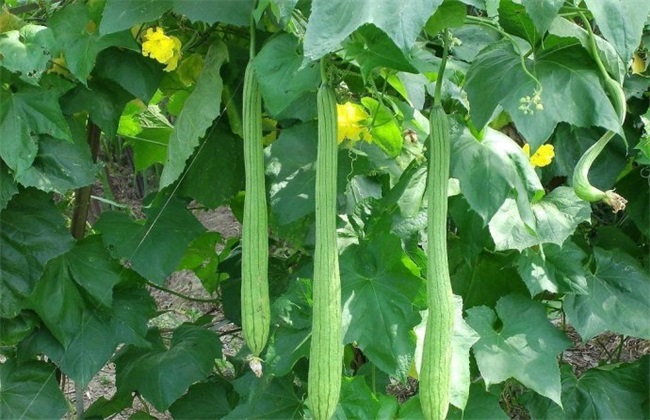
1. Building the Trellis
Because luffa is a climbing vegetable, we must do a good job of building the trellis when planting. To satisfy luffa's climbing growth habit, when building the trellis, first build a solid foundation with cement and control the height of the trellis well. It should not be too low; if it is too low, it can easily lead to reduced field ventilation and light penetration. According to luffa's climbing habit, the trellis should be controlled at two meters or more. Then, according to your own planting habits, control the shape of the trellis well, mainly semicircular. The trellis must both be able to bear the weight of the luffa fruits and have a certain ability to resist wind and rain.
2. Land Selection and Transplanting
Luffa has a relatively large demand for nutrients, so the soil for growing luffa should be selected from plots with sufficient fertility and normal drainage and irrigation. Before planting, spread an appropriate amount of lime powder into the soil to adjust the soil pH. Transplanting should not be done on rainy days, otherwise it will be affected and the survival rate will be reduced. Before sowing, first deep-plow the soil about 25 cm, then apply sufficient base fertilizer. Control the amount of fertilizer according to the planting area. Usually, apply 3000 kg of farmyard manure and about 150 kg of compound fertilizer per mu, then make beds and transplant.
3. Water and Fertilizer Management
As just mentioned, luffa's nutrient demand is very large, so sufficient base fertilizer must first be applied. Then, according to luffa's growth stages, do a good job of topdressing. The first topdressing should be carried out at the initial fruit stage to meet luffa's nutrient needs for fruiting. Then apply topdressing again at the full fruit stage to increase the fruiting rate. The fertilizers for topdressing are mainly farmyard manure and compound fertilizer. Also, according to luffa's nutrient needs, appropriately supplement some trace fertilizers. Finally, control watering well and keep the soil moist to provide sufficient water for luffa's growth. However, water should not be excessive either. When watering too much or encountering rainy days, do a good job of drainage to avoid root rot and decay and reduce the fruiting rate.
4. Reasonable Harvesting
Luffa has a relatively strong fruiting capacity. One planting can be harvested multiple times, especially in summer, when the yield of each flush is very large. Therefore, we must do a good job of harvesting. The harvest time of luffa depends on the variety, generally about one week after fruit development. It can be harvested when the fruit stalk is not rough, the color darkens, and the fuzz gradually decreases. The harvest time should not be too early or too late. If too early, the luffa is not mature enough, affecting quality. If too late, the luffa gradually ages, the fiber increases, and the eating texture becomes worse.
The above is a brief introduction to open-field luffa cultivation and management. When harvesting luffa, note that you must not pull it by hand; cut it off with scissors, otherwise it is easy to affect healing and cause disease infection. That is all for today's introduction. This article is for reference only. Thank you everyone for reading and supporting.