-
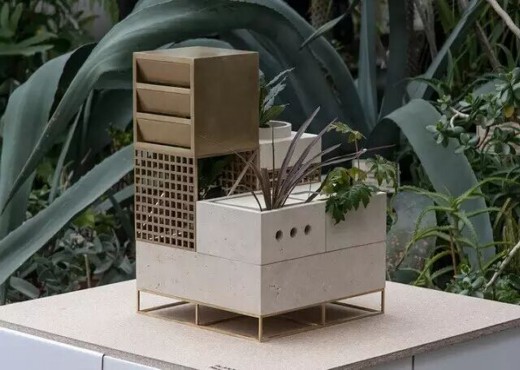
Bonsai Making Tutorial: Teach You to Make Bonsai That Resemble Furniture
This is not some novel piece of furniture; it is a prison for plants... This work by Russian Maxim Scherbakov is called Plantscape, an experimental project challenging plants to survive in unsuitable environments. The installation is made up of many different boxes.
-
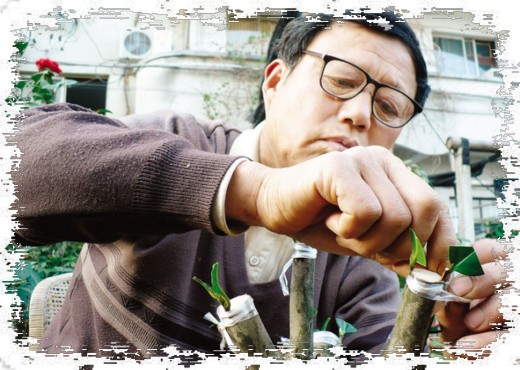
How to Quickly Make Bonsai Using Grafting Techniques
Making bonsai generally takes at least a few years, or at most decades or even over a hundred years. For the ordinary hobbyist this may not matter, but when we want to turn bonsai into an industry to sustain our livelihood, it may be a myth. More of us hope to enjoy both the beauty and the income when making bonsai.
-
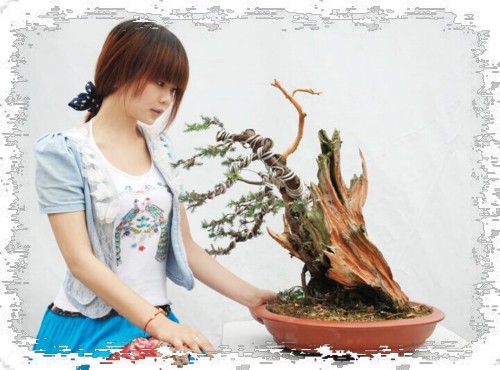
How to make a Chinese juniper bonsai? Detailed explanation of the techniques and methods
Chinese juniper, also known as juniper, Taiwan juniper, and needle pine, is an evergreen tree of the genus Juniperus in the Cupressaceae family. Its bark is brown, with longitudinal grooves, and peels off in strips. The branches are sparse and grow upward, while the branchlets droop, are triangular in cross-section, initially green, and later turn reddish brown. The leaves are borne in whorls of three, needle-shaped, with sharp tips, a slightly concave surface, and a slightly raised midrib
-
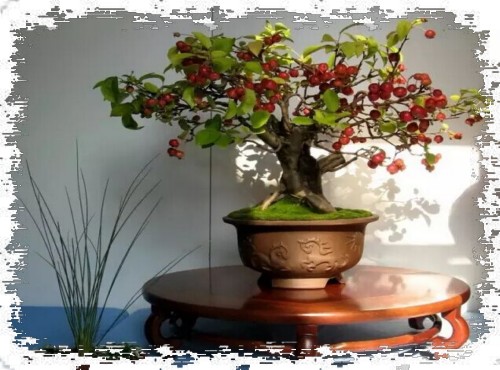
How to Make a Hawthorn Bonsai and Detailed Steps
Hawthorn, also known as Chinese hawthorn or hawthorn fruit, is a deciduous shrub or small tree of the genus Crataegus in the rose family (Rosaceae). The plant is much branched, with dark brown bark and branches that are thornless or have few thorns; the leaves are triangular-ovate or rhombic-ovate, deep green and glossy on the upper surface, with sparse irregular serrations along the edges. The corymbose inflorescences emerge from the branch tips or upper leaf axils
-
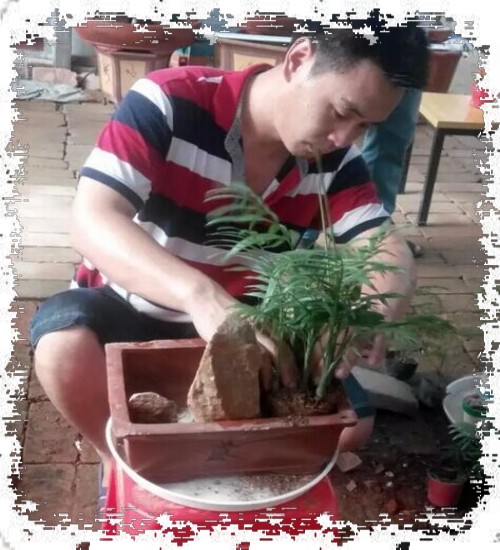
How to make a landscape bonsai? DIY illustrated tutorial explained in detail
Without further ado, today let's first look at the pictures: bamboo + Buddhist pine (Podocarpus macrophyllus) rock-and-stone bonsai; bamboo + pennywort (Hydrocotyle vulgaris) landscape bonsai; parlor palm (Chamaedorea elegans) + Buddhist pine landscape bonsai; parlor palm + Buddhist pine rock-and-stone bonsai. How do they look? After seeing the pictures above, don't you want one too?
-
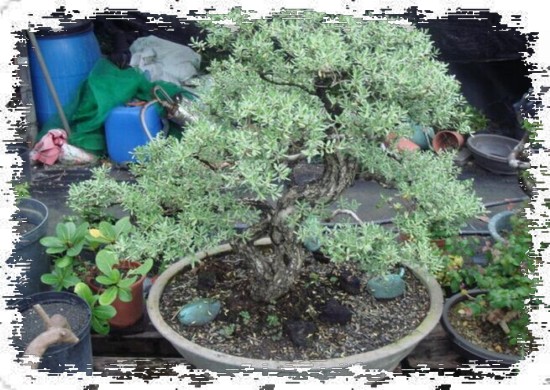
How to make a Jade Hibiscus bonsai? Detailed production method
Jade Hibiscus, scientific name Cactus, is the general term for plants in the family Cactaceae of the order Caryophyllales, with aliases including Immortal Palm, Immortal Fan, Overlord Tree, Flame, Fire Palm, Jade Hibiscus, Pill, Immortal Flesh, and Immortal Immortal. It often grows in dry environments such as deserts and is a type of succulent plant. Primitive cactus plants had leaves
-
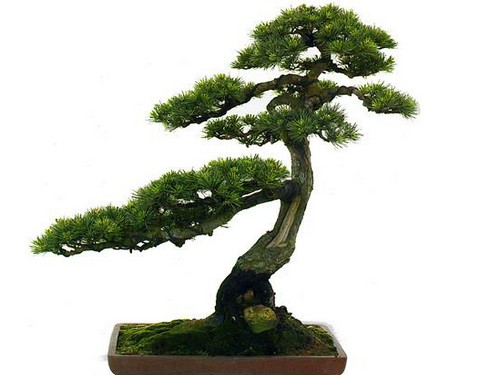
How to Make a Black Pine Bonsai
Black pine bonsai has strong adaptability to the environment and can be cultivated in courtyards or on balconies. Its branches spread horizontally, its crown is like an umbrella canopy, its needles are deep green, it stays evergreen through all four seasons, and its tree form is ancient and elegant, making it enjoyable all year round. During the growing period, it is best placed outdoors in a spot with ample sunlight and good air circulation, and it should not be kept indoors for long periods.
-
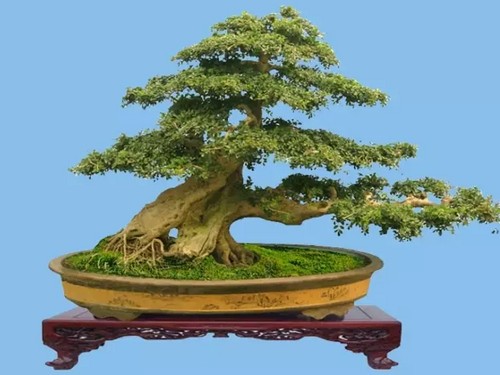
How to make a Fraxinus hupehensis forest-style bonsai
A Fraxinus hupehensis forest-style bonsai is made by planting multiple specimens together in one pot, so that they set each other off and form an artificial natural community, recreating the beautiful scenery of a sea of trees. It wins by the overall beauty of the natural combination, rather than displaying the individual characteristics of each tree
-
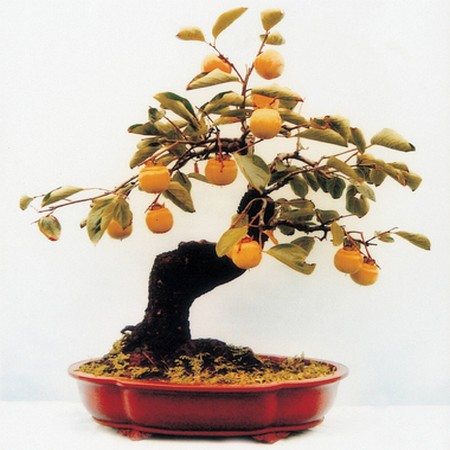
How to make a persimmon bonsai? Detailed methods and steps
The trunk of a persimmon bonsai is ancient and peculiar, sturdy and twisted; when the trunk is slanted, the strong branches stretch across the air in a natural and orderly way. A single tree with multiple trunks of uneven height, exposed roots and claws, and sparse branches and leaves, has a unique style, magnificent and deep. The curves and straightness between trunk and branches vary, stretching freely, embodying both the charm of mountain forests and a unique artistic flavor. Young branches are tender green and glossy
-
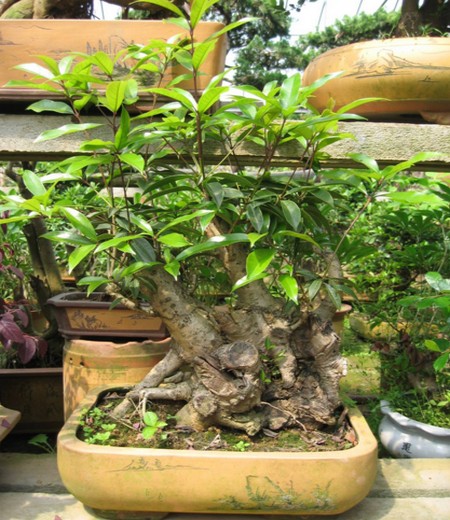
How to make an Osmanthus root-over-rock bonsai? Detailed method shared
The making of an osmanthus bonsai, in principle, requires a profound conception and composition; truly learning from nature; enhancing strengths and avoiding weaknesses to build momentum; combining movement and stillness with agility; being unified and harmonious to please the eye; perceiving the grand from the small; having appropriate density and sparseness; and having clear primary and secondary elements that catch the eye. The osmanthus root-over-rock bonsai inherits and carries forward the Lingnan school tradition, learning from nature, shrinking the dragon to an inch
条件筛选