-
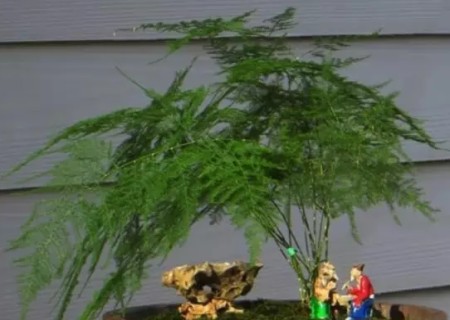
How should you prune a bonsai asparagus fern to make it look good? Teach you the correct pruning method
Does a bonsai asparagus fern need pruning? How do you prune an asparagus fern to make it look good? The asparagus fern (Asparagus setaceus) is a perennial climbing evergreen herbaceous flowering plant; in some places it is called cloud bamboo, pine mountain grass and cloud bamboo mountain grass. Although the asparagus fern has the trait of being evergreen for many years, improper pruning during care can cause the symptoms of yellowing branches and leaves
-
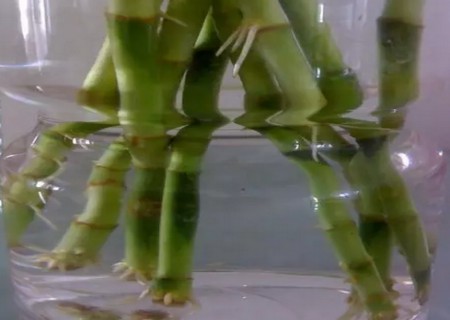
How to Make Your Own Nutrient Solution for Hydroponic Lucky Bamboo
Besides growing in soil, lucky bamboo can also be grown hydroponically, but modern households mostly use the hydroponic method for propagation. During hydroponic cultivation, the water level must be appropriate; do not add too much water to the container. Usually, submerging a little more than one third of the plant's length is sufficient; submerging up to two thirds of its length is not recommended. In addition
-
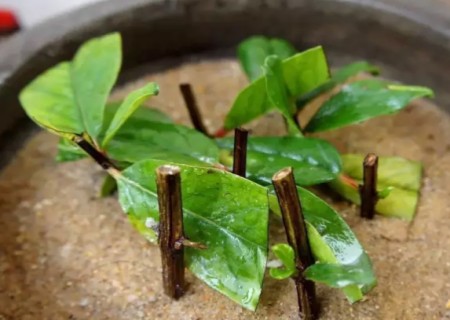
How to Make Pothos Cuttings Root Quickly? Practical Methods Shared
Experienced growers all know that potted pothos is very easy to care for, so many people like to propagate their own cuttings. Although pothos is simple to grow, how to shorten the rooting time of cuttings has stumped quite a few people. After testing, to shorten the rooting time of pothos cuttings and make them root quickly
-
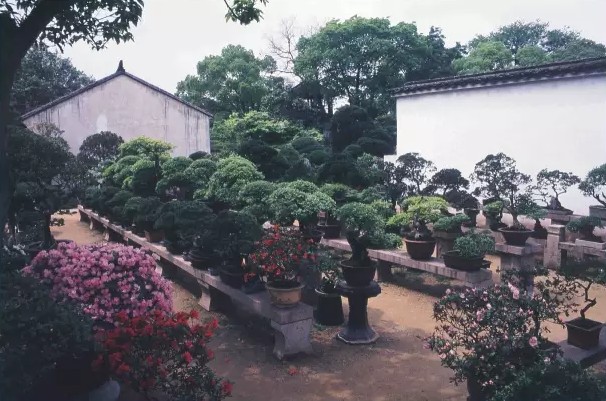
Suzhou Classical Garden Bonsai Exhibition Makes a Splendid Appearance
Suzhou bonsai is created with unique ingenuity on the basis of absorbing the essence of China's traditional classical garden art and combining certain techniques of Chinese landscape painting and flower-and-bird painting, embodying "silent poetry, three-dimensional painting, and living sculpture."
-
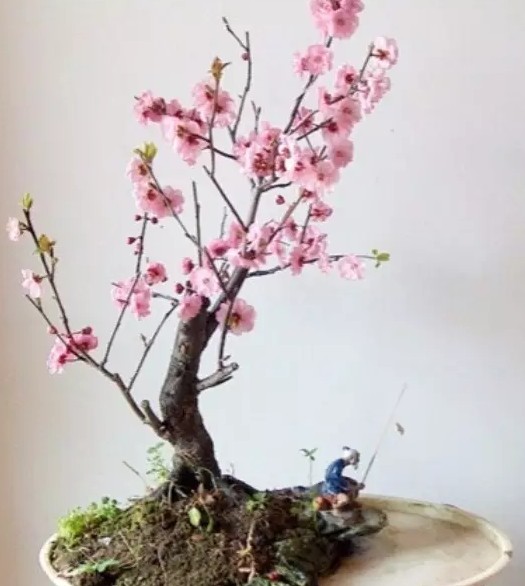
How to make a plum-blossom beauty semi-aquatic bonsai? A step-by-step guide
The plum-blossom beauty (Meiren Mei) is a new type of plant produced by crossing a double-petaled pink plum blossom with the red-leaf plum (Prunus cerasifera). It has the characteristics of the plum blossom as well as the traits of the red-leaf plum. Its flowers have multiple layers of petals and are pink in color, and its leaves are fairly dense, mostly red in color. In addition, after the plum-blossom beauty blooms, it produces fruit
-
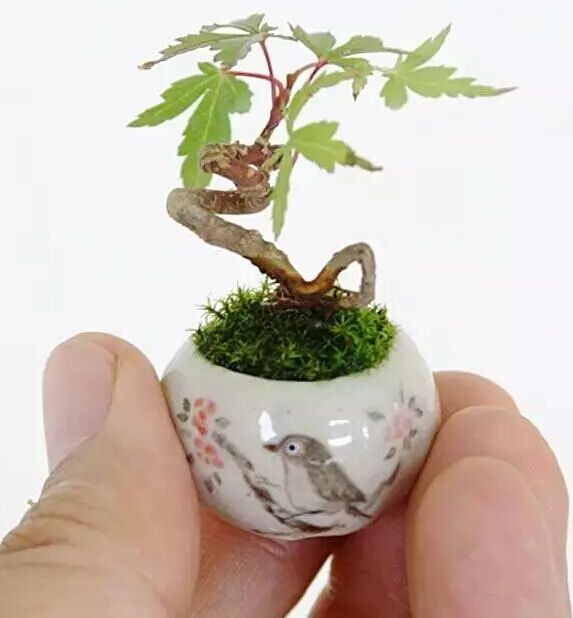
How to make miniature bonsai: learn to easily create a mini potted landscape
Miniature bonsai are mainly made up of flowers and plants, accented with small items such as mountain stones. They are small in form, with exquisite and unique shapes; holding them in your hand to admire gives a special kind of pleasure! A touch of greenery is a whole day of good mood. So small and exquisite, they are just so lovable! Truly a treasure in the palm of your hand! Besides tree shapes
-
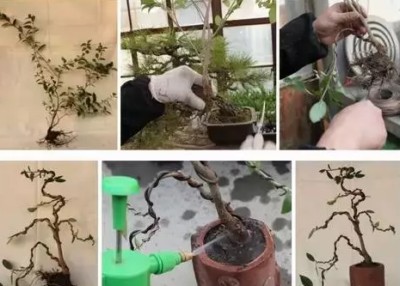
How to Make and Combine Miniature Bonsai? A Detailed Guide to the Method
Miniature bonsai are made mainly with flowers and grasses, accented with small items such as rocks. They are small in form, exquisite and unique in shape, and place great emphasis on overall structure and fineness of detail. For general plant shaping, the optimal time should be after the onset of winter and before the plants bud the following spring. Before shaping
-
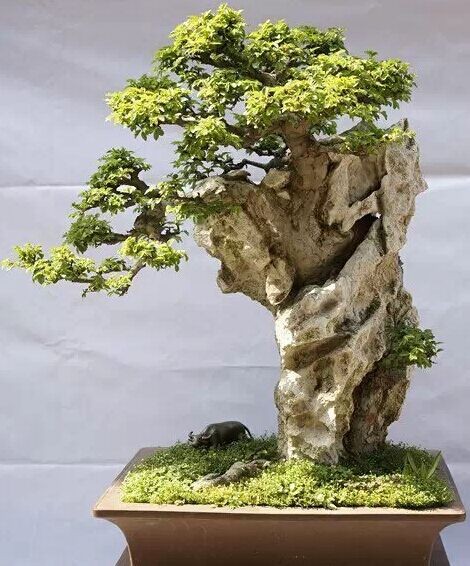
How do you make a root-over-rock bonsai? Practical experience shared with you
A root-over-rock bonsai is made by exposing thick roots and letting them cling to and grow over rocks, with some bonsai accessories appropriately chosen to embellish it. It has the imposing air of standing atop a peak, giving people a feeling of indomitability, ceaseless upward striving, and unending life
-
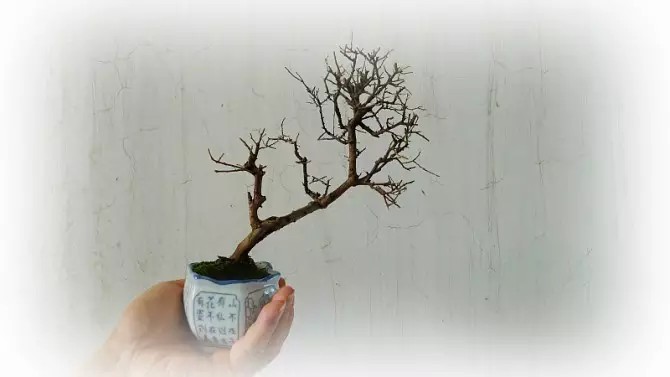
How do you make a miniature bonsai? This tutorial shows you step by step
Actually, making a miniature bonsai is not difficult. As long as you are interested, you will succeed through practice! First, find the miniature pot and stand you bought in advance. These are the necessary tools, and once the pot and stand are chosen, select the material that has been successfully cultivated. Here I chose this small Sageretia thea (Chinese sweet plum) and dug it up.
-
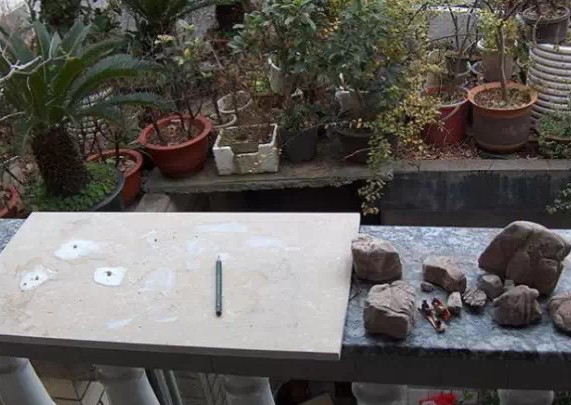
How to make an exquisite water-and-land bonsai from discarded floor tiles
A brief rundown of the making process: first prepare the materials, discarded floor tiles and several pieces of turtle-pattern stone in various sizes. Then work out the concept and layout. Once the layout is done, the next step is the mason's work: glue the turtle-pattern stones one by one onto the marked positions on the marble slab. This is how it looks after gluing is complete.
条件筛选