-
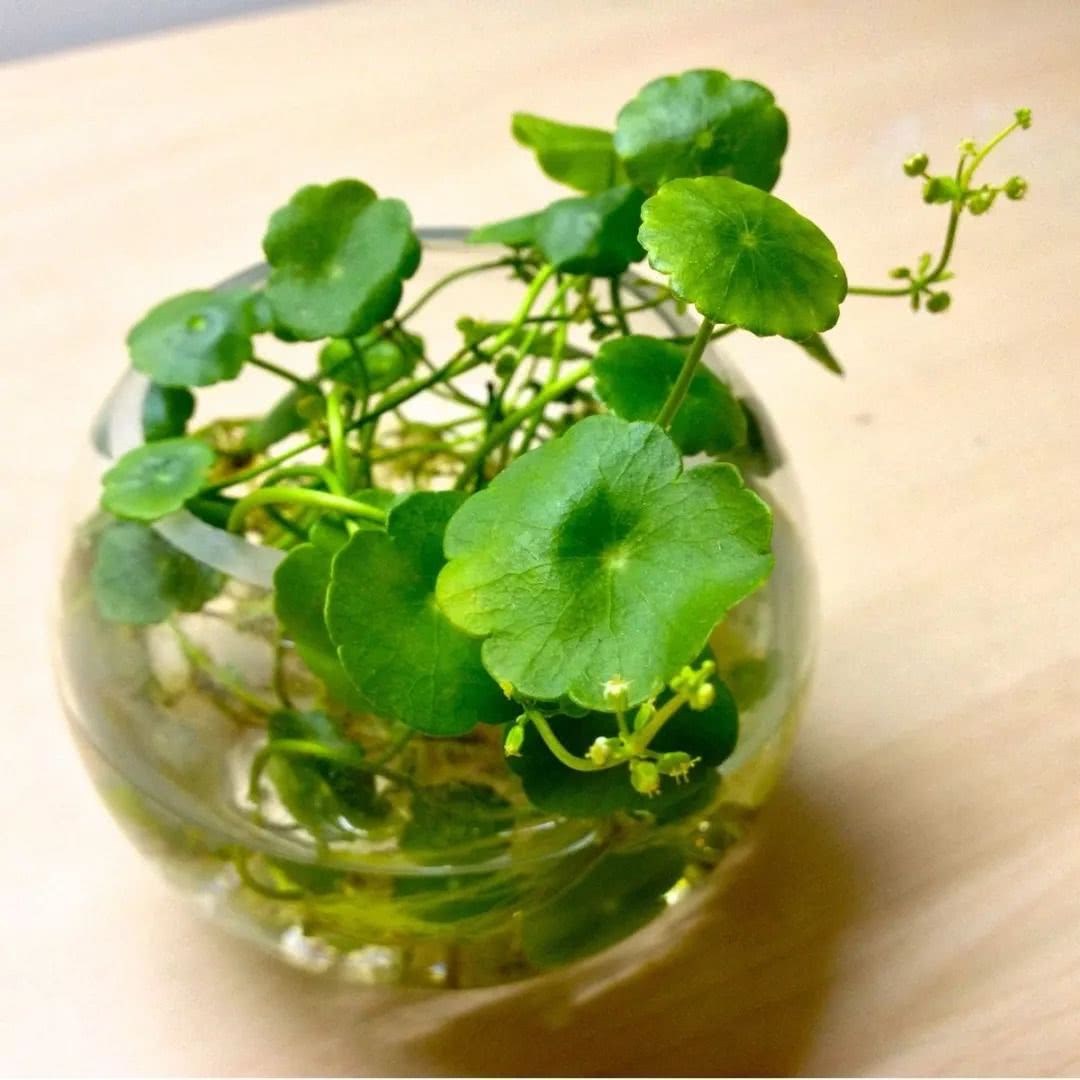
Pennywort (Hydrocotyle vulgaris) grows well with just water and light; regular watering is all it needs to survive.
Some plants are especially tough when it comes to adapting to their environment, and they can keep growing vigorously as long as a few basic care conditions are met. Pennywort is a typical low-maintenance plant: just keep it in a warm environment with good air circulation...
-
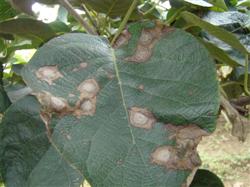
How to identify and control kiwifruit branch blight
Kiwifruit branch blight, also called water-loss branch blight, is a physiological disease caused by climatic factors. It refers to the sudden wilting and death of fruiting canes or vegetative canes when the fruit tree has not suffered artificial fertilizer damage or pesticide damage, nor pathological root rot, branch rot, canker, and other such conditions. 1. Disease symptoms...
-
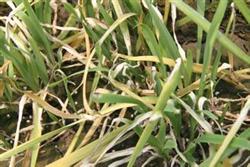
Control Methods and Technical Key Points for Chive Blight
Treat seeds with 25% metalaxyl at 0.3% of the seed weight. After disease onset, use 64% oxadixyl mancozeb at 600 times dilution, 69% dimethomorph mancozeb at 600 to 800 times dilution, 50% iprodione at 500 times dilution, and 77% copper hydroxide at 600 to 700 times dilution, applied alternately, once every 5 to 7 days, for 2 to 3 treatments.
-
Safety management points for the control of leek blight in greenhouse and shed conditions
Damage symptoms: It mainly affects the false stem and bulb, and the leaves, roots, and flower stalks can also be affected. Lesions on affected leaves mostly begin on the lower part, initially producing dark green water-soaked lesions, and when they later spread to about 1/2 of the leaf, the whole leaf turns yellow, droops, and becomes soft-rotted. When humid, grayish-white mold develops on the diseased part. When the false stem is affected...
-
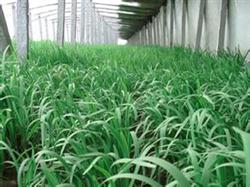
Chives have the most pesticide residue at the roots; remove half an inch of the root and first soak them in lightly salted water.
1. Temperature management. Chives like cool conditions, with an optimum growing temperature of 15-24°C, and should be ventilated appropriately during the day. To promote sprouting, after covering with a plastic tunnel the daytime temperature should be kept at 18-25°C, and after sprouting the daytime temperature should be controlled at 17-23°C. Before harvesting the first cut of chives, the daytime temperature should be 15-22°C and the nighttime temperature 10-12°C. After that, with each cut...
-
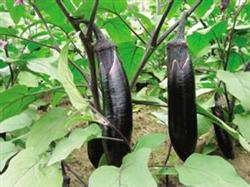
Managing light, temperature and moisture well in greenhouse eggplant cultivation
Eggplants like warmth and cannot tolerate cold. Greenhouse-grown eggplants require suitable "microclimate" conditions. The suitable room temperature for seed germination is 25-30°C, and the low temperature is 11-18°C; the suitable temperature for flower bud differentiation at the seedling stage is 20-25°C during the day and 15-20°C at night. Within the suitable temperature range, if the temperature is slightly lower, flower bud differentiation is delayed, but long-styled flowers...
-
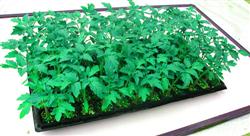
Key Technical Points for Temperature and Light Control in Winter Tomato Production
Spring tomato seedling raising: because there are many low-temperature and overcast-rainy days, the seedbed temperature is low and the humidity is high, which often leads to seedling-stage diseases such as damping-off and causes seedling raising to fail. Therefore, a place with loose soil texture, fertile soil, a sunny aspect, no water accumulation, and where no solanaceous crops have been planted within 2 years should be chosen as the seedbed. Generally choose an overcast or sunny day...
-
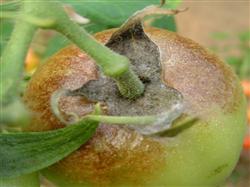
Identification and Control Methods of Tomato Late Blight
Tomato late blight, which vegetable growers call persimmon blight, is a devastating disease of tomatoes. - Symptom identification: The disease can occur in both seedlings and adult plants. When seedlings are affected, dark green water-soaked lesions appear on the leaves and quickly spread to the petioles and stems, making them thinner and dark brown, causing the whole plant to wilt or break at the stem. When humidity is high, the diseased area...
-
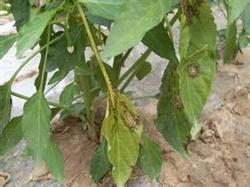
Detailed Guide to Identifying and Controlling Phytophthora Blight in Peppers
Control methods: 1. Phytophthora blight in peppers mainly damages leaves, fruits and stems, and is most likely to occur at the base of the stem. When the disease occurs at the seedling stage, infection mostly starts from the base of the stem; the affected part shows water-soaked soft rot, the lesion is dark green, and the plant lodges above the diseased part. Control methods: 1. Practice crop rotation and deep plowing to improve the soil, and combine...
-

Woman gets a phoenix tattoo on her back, and when the light hits it, people can't help saying it was worth it
Woman gets a phoenix tattoo on her back, and when the light shines on it, the next second makes people cry out that it was worth it! A few years ago, tattoos were still considered a bad thing, and in the eyes of many people, only people on the fringes of society would get tattoos! But now...
条件筛选