Managing light, temperature and moisture well in greenhouse eggplant cultivation
Eggplants like warmth and cannot tolerate cold. Greenhouse-grown eggplants require suitable "microclimate" conditions. The suitable room temperature for seed germination is 25-30°C, and the low temperature is 11-18°C; the suitable temperature for flower bud differentiation at the seedling stage is 20-25°C during the day and 15-20°C at night. Within the suitable temperature range, if the temperature is slightly lower, flower bud differentiation is delayed, but long-styled flowers...
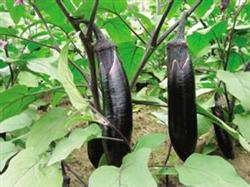 Eggplants like warmth and cannot tolerate cold. Greenhouse-grown eggplants require suitable "microclimate" conditions. If the temperature is slightly lower, flower bud differentiation is delayed, but there are more long-styled flowers, the fruit-setting rate is high, and the yield is high. Eggplants like light, have a large leaf transpiration rate, and cannot tolerate drought, but they require dry air. If ventilation is not provided for a long time, it will cause fruit rot and disease. During the management of greenhouse-grown eggplants, the following management measures should be taken according to weather conditions:
Strengthen temperature management inside the greenhouse: Before flowering and fruiting, keep the air temperature at 15-20°C as much as possible to promote the formation of more flower buds and styled flowers and improve the fruit-setting rate. After flowering and fruiting, pay attention to raising the temperature inside the greenhouse, especially the soil temperature, which should preferably be kept above 20°C and at least above 15°C. At noon, the air temperature management can be raised by 2-3°C to ensure suitable nighttime temperature. After watering, in order to maintain soil temperature, raise the greenhouse temperature in a timely manner and keep the air inside the greenhouse dry to reduce the incidence of eggplant fruit disease.
Strengthen fertilizer and water management at different growth stages of eggplant: Since eggplants need little water in the early stage, basically no watering is needed. However, root irrigation with fertilizer water (organic humic acid liquid fertilizer) is still very necessary. During the fruiting stage, the water requirement is large, so the watering frequency should be appropriately increased. Lack of water will cause small fruits, and the surface of the eggplant fruits at the base stems will lose luster, affecting the yield and quality of the eggplant fruits.
During the flowering and fruiting stage of eggplant, full use must be made of light and temperature conditions: keep the air temperature inside the greenhouse suitable and the soil temperature stable, remove old leaves and side branches in a timely manner, and often clean the greenhouse surface to keep it clean and light-transmitting, promoting fruit growth and coloring, and harvest and sell in a timely manner.
From planting to seedling recovery and fruit setting, eggplant fertilizer and water management should be carried out scientifically: grasp the principle of "small fertilizer water to nourish roots, medium fertilizer water to promote seedlings, large fertilizer water to nourish fruits." During the vigorous seedling growth period, the amount of fertilizer water applied should not be too large. Biological bacterial fertilizer should be selected for flushing application, and the method of watering every other row should be adopted.