Chives have the most pesticide residue at the roots; remove half an inch of the root and first soak them in lightly salted water.
1. Temperature management. Chives like cool conditions, with an optimum growing temperature of 15-24°C, and should be ventilated appropriately during the day. To promote sprouting, after covering with a plastic tunnel the daytime temperature should be kept at 18-25°C, and after sprouting the daytime temperature should be controlled at 17-23°C. Before harvesting the first cut of chives, the daytime temperature should be 15-22°C and the nighttime temperature 10-12°C. After that, with each cut...
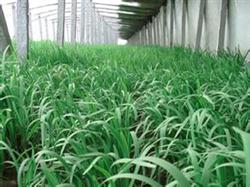 Spring is exactly the right time to eat chives. Chives have a pungent aroma, contain abundant nutrients, and also have certain medicinal effects. The sulfides in chives even have effects such as lowering blood lipids, increasing appetite, and removing dampness and regulating blood. Recent testing has found that chives are a vegetable with relatively high residues of organophosphorus pesticides; when large amounts of this pesticide enter the human body, it can cause nervous system disorders, and poisoned people may experience symptoms such as excessive sweating and impaired speech.
Generally speaking, the roots of chives are where pesticide residues are highest. The pest that causes fatal harm to chives, the "chive maggot," lives underground and specifically bites and eats the roots of chives, causing the roots to rot and break so they cannot grow. Ordinary sprayed pesticides are ineffective against this pest; the pesticide must be applied underground and poured onto the roots of the chives to effectively eliminate chive maggots.
Even so, as long as you master scientific identification methods, you can eat chives with complete peace of mind. Here are a few good methods for readers.
First, when eating them, be sure to cut off at least half an inch or more of the roots. Second, when choosing chives, you should "read the words and observe the expression": first look at the color, and do not pick ones that look especially glossy green; second look at the size, and do not pick especially thick and sturdy ones; third look at the leaves, and do not pick especially thick and substantial ones. Third, buy chives that have passed inspection by the relevant authorities. Finally, before eating chives, soak them in lightly salted water for more than half a day. Because the pesticides currently used are all organophosphorus types and can dissolve in water, after buying chives, soak them in water more and rinse them more with water, and you can reduce the pesticide residues in them.