Key Technical Points for Temperature and Light Control in Winter Tomato Production
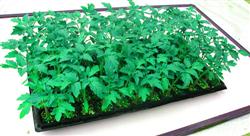
Spring tomato seedling raising: because there are many low-temperature and overcast-rainy days, the seedbed temperature is low and the humidity is high, which often leads to seedling-stage diseases such as damping-off and causes seedling raising to fail. Therefore, a place with loose soil texture, fertile soil, a sunny aspect, no water accumulation, and where no solanaceous crops have been planted within 2 years should be chosen as the seedbed. Generally choose an overcast or sunny day...
 After entering winter, as the daylight hours become shorter and the nighttime temperature is lower, the humidity inside the greenhouse gradually increases, and some low-temperature, high-humidity soil-borne diseases are extremely prone to occur, causing adverse effects on the normal growth of tomatoes. The key technical management points for tomatoes in winter are put forward:
Temperature management. After entering winter, greenhouse tomatoes should focus on heat preservation and warming. Low temperatures easily cause tomato flower and fruit drop, and can even cause freezing damage; the fruit-setting rate will drop sharply, thereby seriously affecting yield. Therefore, the temperature inside the greenhouse must be scientifically controlled. Generally, the daytime temperature should be kept at 23°C-28°C and the nighttime at 15°C-18°C; the above temperatures are the most suitable temperatures for tomato growth. If there is a blizzard or windy, cooling weather, methods such as coal stoves, heating, or artificial supplemental lighting can be used to raise the temperature.
Light and ventilation. Tomatoes are light-loving crops. When light is sufficient, the plants grow vigorously and have strong disease resistance. On the contrary, it will cause the plants to bolt, weaken their growth vigor, and also create conditions for disease infection. Methods such as hanging reflective curtains on the back wall, regularly cleaning dust or dirt off the greenhouse film, and removing fog droplets inside the greenhouse film can be used to increase the light inside the greenhouse by every possible means. Ventilation can achieve the purposes of removing moisture, exchanging air, and regulating temperature. The ventilation time should be adjusted according to weather conditions, but a certain amount of ventilation time must be ensured every day, as this is beneficial to the normal growth of the plants.
Watering and fertilizing. Watering should be carried out together with topdressing; do not water with clear water only. For fertilizer, do not use single-element fertilizers; it is best to use ternary compound fertilizer or water-soluble flush fertilizer, combined with humic acid, active bacterial fertilizer, calcium fertilizer, and other micro-fertilizers for the best effect. Timely supplementing with comprehensive and nutrient-rich fertilizer can provide the necessary nutrients for tomato growth and development; otherwise, physiological diseases are likely to occur. Choose continuous sunny days, and the amount of water should be small; the time is generally chosen in the morning or at noon.
Disease control. Winter is a high-incidence period for tomato gray mold, late blight, and bacterial diseases. Prevention should be the main approach. Generally, spray once every 5-7 days. You can choose pyrimethanil + streptomycin + thiophanate-methyl, or ethylicin + streptomycin + difenoconazole, etc., and alternate and rotate several formulations of these pesticides.