-
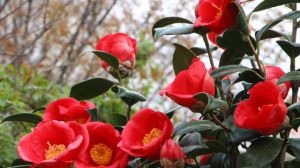
How to identify Camellia japonica? A detailed guide to the methods of identifying Camellia japonica
Leaves: leathery, alternate, elliptical or ovate to obovate, dark green on the upper surface and lighter on the underside. Flowers: solitary or 2 to 3 borne in the leaf axils or at the tips of branches, pink or bright red. Seeds: the capsule is round, and the seeds are blackish brown or light brown, nearly spherical or pressed against each other into a polygonal shape.
-
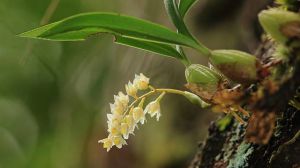
What are the ways to identify the fine-leaved Pholidota?
Rhizome: The rhizome is creeping, and pseudobulbs are produced at intervals of 1-3 cm, narrowly ovate and later ovate-oblong. Leaves: Growing at the apex, linear-lanceolate or linear, papery, with revolute margins. Flowers: The flowers are relatively small, pale yellow or white. Fruit: The capsule is obovate, about 6-8 mm long and about 4-5 mm wide.
-
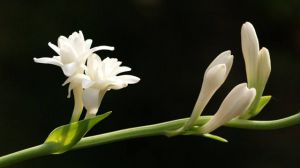
How to identify tuberose? A few practical tips for you
Leaves: basal leaves, linear, about 6-9 clustered together, dark green, with relatively pointed tips; leaves on the flower stem are scattered. Flowers: the spike inflorescence of tuberose is terminal, milky white, with green bracts, slightly curved at the base; the perianth and lobes are oblong-lanceolate; the stamens grow inside the perianth tube; the style is relatively slender, with a 3-lobed stigma.
-

A Complete Guide to 50 Green Plants and Flowers: Never Fail to Identify Them Again
Green plants and flowers add a lot of happiness to our lives. Most modern people have one or two pots at home. Do you know how often these plants and flowers should be watered? Should they be placed indoors or on the balcony? Below is a compiled...
-

How to Tell Real Boxwood from Fake: A Few Tricks to Easily Identify Authenticity
Methods for Identifying Real and Fake Boxwood
-

A detailed guide to orchid variety identification methods, teaching you how to identify orchids
Methods for identifying orchid varieties
-
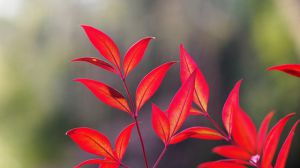
How to Identify Heavenly Bamboo 'Hongye'? Master These Identification Methods
Appearance: about 60-120 cm tall, few branches, upright, very dense branches and leaves, relatively compact tree shape. Leaves: alternate, thinly leathery, entire. In winter they are bright red, in spring, autumn and summer they are dark green. Flowers: panicles, white. Fruit: spherical, 2 seeds, red.
-
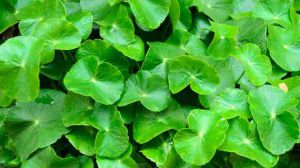
How to Identify Centella asiatica? Master These Identification Features
Leaves: kidney-shaped, round, or horseshoe-shaped, with bluntly toothed margins, petioles about 1.5-27 cm long, green. Flowers: umbels, purplish-red or creamy white. Fruit: spherical, base heart-shaped then becoming flat-topped, compressed on both sides, with longitudinal ridges on each side and small net-like transverse veins.
-
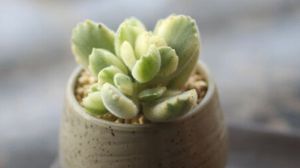
How to Identify a Bear's Paw (Cotyledon tomentosa)? Master These Identification Methods
Appearance: The plant grows about 30 cm tall, with a spread of 11-12 cm, and cylindrical green stems. Leaves: obovate-lanceolate to oblong-ovate, flat and spoon-shaped, green, densely covered with short white hairs, with tips that look like bear paws. Flowers: dichasial cymes, yellow petals, blooming from July to September.
-
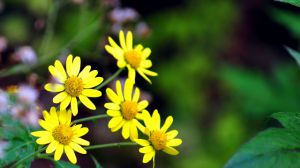
How to Identify Wild Chrysanthemum? Master These Features to Recognize It Easily
Stems and leaves: Prostrate or upright; the middle stem leaves are long ovate, elliptic-ovate or ovate, with a truncated or nearly heart-shaped base and serrated edges, light green, turning olive-colored after drying. Flowers: flower heads (capitula), with yellow ligulate florets; the flowering period is from June to November.
条件筛选