-
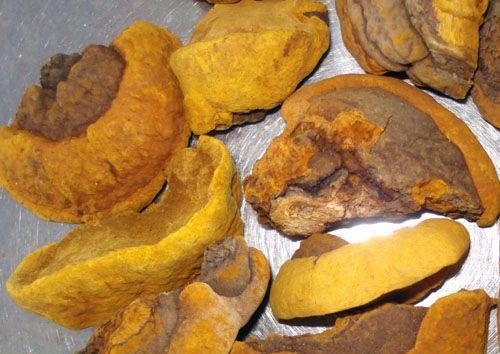
Mulberry Sanghuang hard to tell real from fake? Teach you to identify it by smell
How to tell real from fake mulberry Sanghuang by smelling it
-

Is the fish you caught wild or farmed? Anglers, help identify it
Caught this while fishing, anglers come identify it, is it wild or farmed
-
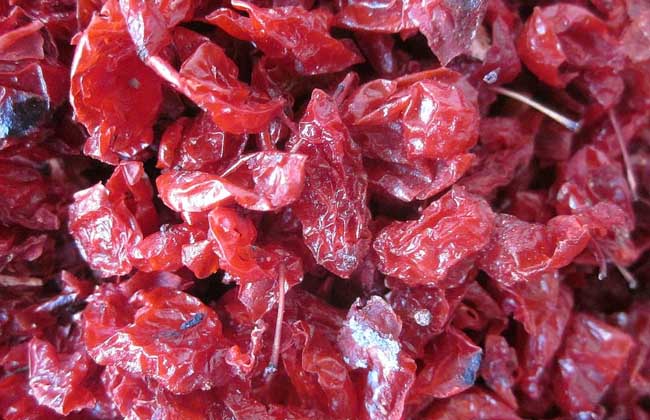
How much is Cornus officinalis flesh per jin? Teaching you how to identify it
The price of Cornus officinalis flesh and how to identify it
-
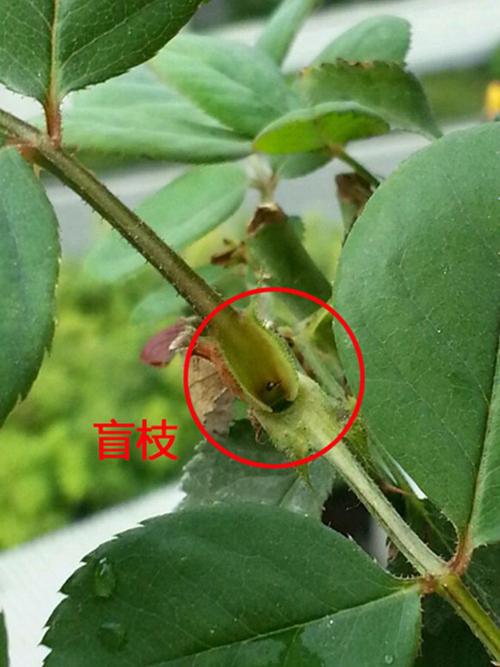
Why isn't your rose blooming? Learn to identify and prune blind shoots
Many people nowadays love growing roses, but in the process of growing them, when everyone else's roses are blooming, why won't your own roses bloom? It turns out blind shoots have appeared. How do you identify blind shoots? What is the correct way to prune them? As long as roses are cultivated properly
-
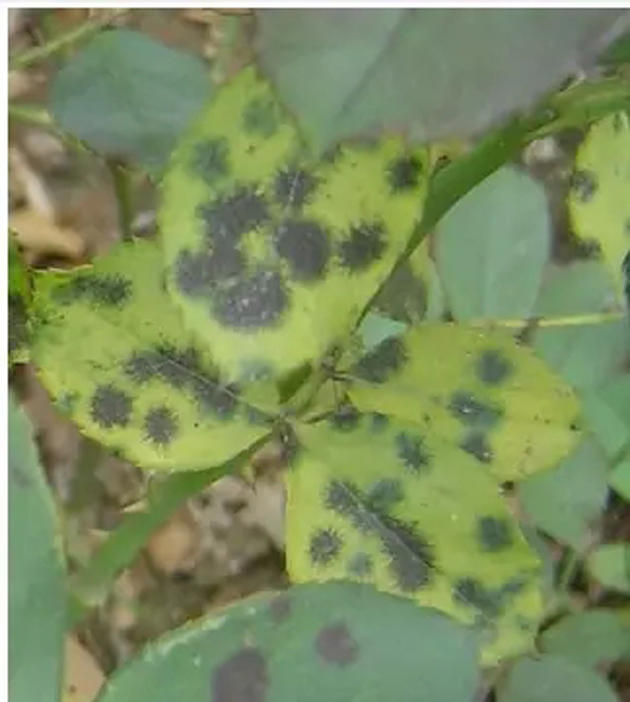
Illustrated Guide to Identifying and Controlling Aphids, Thrips, and Spider Mites on Roses
Speaking of roses, they are a plant that many people love to grow, and their blooms are truly beautiful. But when growing roses in cloudy and rainy seasons, the pests and diseases are really overwhelming. The worst part is not being able to recognize these pests. How do you identify these pests and how do you control them?
-

How to identify common easily confused symptoms in rice
I. Several kinds of bacterial wilt 1. Purple sheath blight bacterial wilt. Mostly seen in the late stage of late rice, often occurring in clumps in the field, and also with several plants affected in one hill. The base tissue of the rice is soft-rotted, with dark brown lesions. Peeling open the basal leaf sheath and stem, many black sclerotia smaller than amaranth seeds can be seen. 2. Bacterial foot rot bacterial wilt. Occurs sporadically in the field, generally 1-3 plants affected in one hill; the base of diseased plants shows mouse-gray rot, the root system is sparse and decayed, and peeling open the basal stem reveals it is full of foul water, with no sclerotia. 3. Physiological bacterial wilt. The rice stem shrinks and dries, and when the base of the rice stem is pinched by hand it is shrunken and hollow, making the plant prone to lodging, resembling damage by brown planthopper sclerotia. But there is no insect body at the stem base, no lesions, and no sclerotia in the leaf sheath and basal stalk; it mostly occurs when late rice is near maturity, with patches and blocks of bacterial wilt and wilting.
-
How to identify fish species? Observing appearance and color is key
First, look at the size specifications of the fish species. Fish of the same species from the same pond should be uniform and even in size when harvested, with little difference in body length and weight. Conversely, poor-quality fingerlings with large individual differences and uneven sizes often result in very low overall survival rates due to competition for food, mixed genetic stock, poor rearing, and other reasons. Second, look at the body color of the fish species. High-quality fingerlings have vivid, glossy body colors. Generally speaking, high-quality silver carp fingerlings should have a silver-gray back and silvery-white sides and belly; high-quality grass carp fingerlings have a pale golden-yellow body color, with gray-black reticulated scales that are relatively prominent, and the more robust the fish, the more obvious the pale golden-yellow color; high-quality bighead carp fingerlings mostly have a pale golden-yellow body color, with black markings across the body not very prominent. If the fingerling's body color is relatively dark, or even blackish, it indicates that the fingerling is a weak fry or diseased fish; the gloss on the body surface of fingerlings is caused by the mucus layer covering the body surface, which is the fish's first barrier of defense against disease. Diseased fish or weak fry lack the mucus layer, and their body surface has no gloss.
-
How to Identify Poisonous Mushrooms? Simple Identification Methods Shared
In terms of color, poisonous mushrooms often have bright colors, appearing red, green, yellow, etc. Their caps often bear variegated spots, with filamentous structures or small pieces of debris or scales on the surface. Non-poisonous mushrooms generally have dull colors, flat caps, and smooth surfaces. In terms of secretions, the caps or injured parts of poisonous mushrooms often exude reddish-brown, viscous, thick liquid, etc., with a pungent or other abnormal odor. The cap changes color easily after being torn. Non-poisonous mushrooms are generally drier, and the liquid exuded after breaking is white, with a distinctive mushroom
-
What methods are there for identifying the health status of grown silkworms?
1. Smell with the nose. When entering the silkworm room, smell the odor in the room. If the room has only the fresh scent of mulberry leaves and no other strange odor, it indicates that the grown silkworms are disease-free. 2. Listen with the ears. After feeding mulberry leaves, if the sound of the silkworms eating mulberry leaves is heard like the rustling of light rain, it indicates that the grown silkworms are healthy. 3. Look with the eyes. Observe the body color of the silkworms. Healthy silkworms generally have a blue-white body color. Silkworms at the peak of feeding have tight, glossy skin and are lively in movement, raising their heads and thoraxes when resting; the dorsal vessel beats rhythmically; the group develops uniformly in size; the feces have a certain shape (except for mature silkworms),
-
Detailed Guide to Identifying Symptoms of Major Potato Diseases and Their Control Methods
I. Late blight. 1. Symptom identification. This disease is a fungal disease that affects stems, leaves and tubers. Affected parts of stems and leaves develop brown water-soaked spots, which later expand into black patches. When humid, a ring of white mold-like growth surrounds the lesions, very obvious on the underside of leaves. After tubers are affected, brown or blue lesions initially form, then expand, and the surface gradually becomes sunken, while the potato flesh beneath the lesion turns brown. 2. Control methods. Selecting disease-resistant varieties is the most economical and effective way to control late blight: such as Wushu No. 8, No. 9, No. 11, Longshu No. 3, No. 5
条件筛选