-
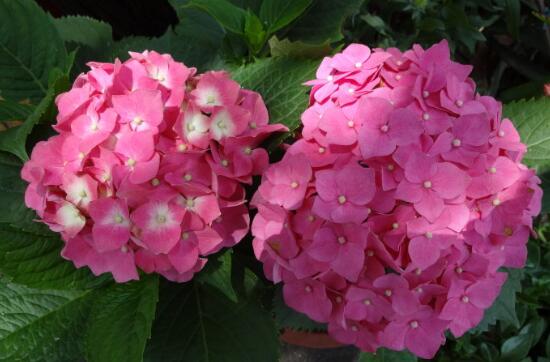
How to change the color of hydrangeas? Fertilize at the right time; acidic soil turns them blue, alkaline soil turns them red
The beauty of hydrangeas lies in their ball-shaped blooms, and even more in their rich range of flower colors. Gardeners who have grown hydrangeas know that you can change their color: depending on the soil's acidity or alkalinity, you can turn them red, blue or purple. As for how to change the color of hydrangeas, most gardeners probably don't know
-
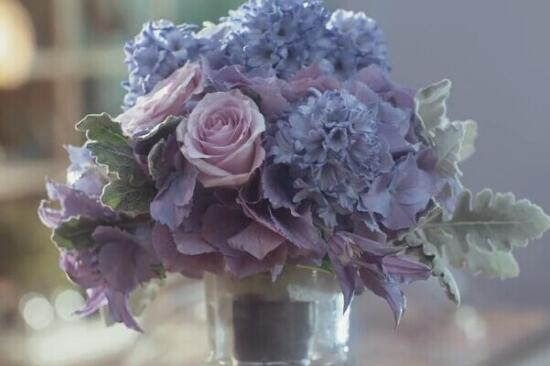
The hydrangea wilts within a few days - what to do? Cut the overly long stems and soak them in water to keep them fresh and extend the blooming period
The hydrangea blooming period is from June to August. When it blooms, its hydrangea-like flower shape and brilliant, colorful blooms attract countless flower lovers to grow it. But during cultivation, flower lovers often encounter this situation: the hydrangea wilts within a few days! What should be done at this time? At this point, flower lovers should not panic
-
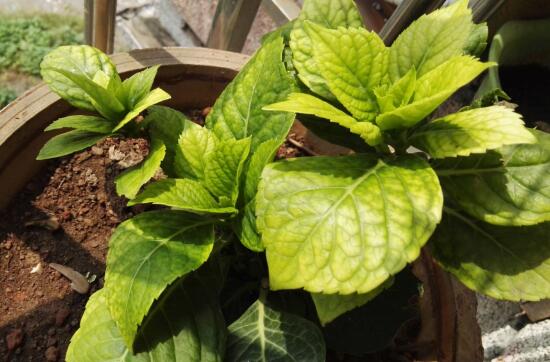
What to Do When Hydrangea Leaves Turn Yellow? Control Watering and Fertilizing, and Adjust Soil pH
Hydrangea, a very beautiful flowering plant, comes in a rich variety of colors, and many flower lovers grow it in pots at home. However, many beginners run into the problem of hydrangea leaves turning yellow while growing hydrangeas, which greatly reduces the ornamental value of the plant. So what should be done in this case? In response
-
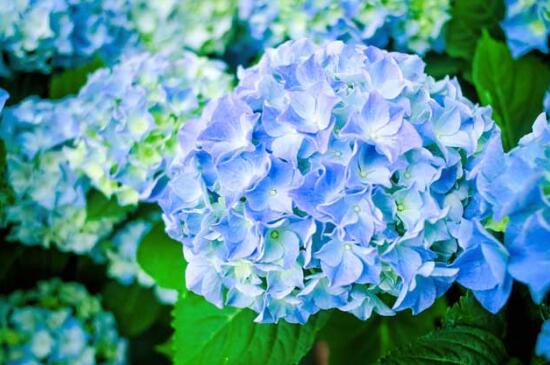
How do you care for potted hydrangeas? Growing methods and precautions, they need little light
Hydrangea, anyone who has seen it should be deeply impressed. It is dignified and elegant, with large and beautiful flowers and rich colors, and is deeply loved by flower lovers. In daily life, many people want to grow hydrangeas in pots at home, but they do not know how to care for hydrangeas. For this reason, the editor has carefully compiled the growing methods and precautions for hydrangeas.
-
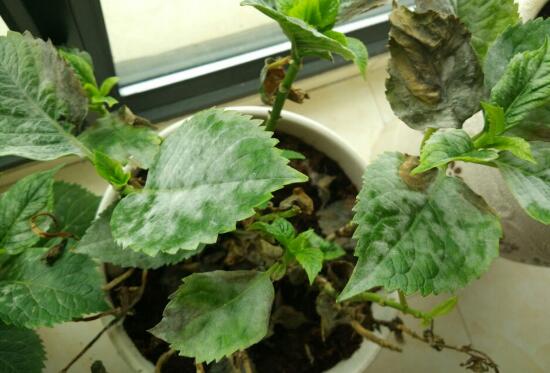
What to do when hydrangea leaves turn yellow? Increase light, adjust temperature, spray to prevent pests and diseases
Hydrangea, also known as Ziyang qinhua or hydrangea, originated in China during the Ming and Qing dynasties and has high ornamental value. The hydrangea has luxuriant branches and leaves, is extraordinarily beautiful and elegant, and its flowers are pure white, full, large and beautiful, delighting the eye and refreshing the mind. It is a common ornamental shrub. The lenticels are obvious, and the leaves are large and slightly thick
-
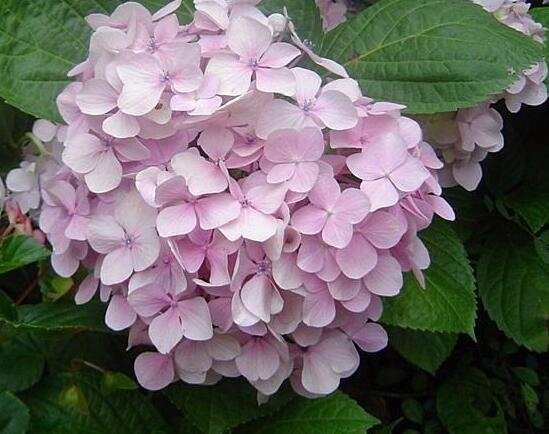
How to grow Hydrangea macrophylla? Cultivation methods and precautions, humidity is key
Hydrangea macrophylla, also known as hydrangea, is a very famous ornamental plant flower nowadays, so the hydrangea we usually see generally appears before us as a garden flower. So how do you grow the beautiful hydrangea? Below, we will introduce the cultivation methods and precautions for hydrangea.
-
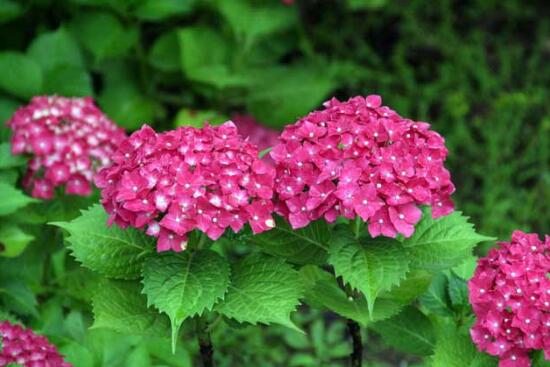
The reasons hydrangeas fail to bloom are improper lighting and excessive fertilisation
Hydrangeas have a long blooming period and large, brightly coloured flowers, making them a favourite among many flower lovers. In daily life, many people grow hydrangeas and look forward to them blooming. But by June, many growers' hydrangeas still show no signs of activity, so why won't hydrangeas bloom? On this, the editor has summarised 5 reasons why hydrangeas fail to bloom
-
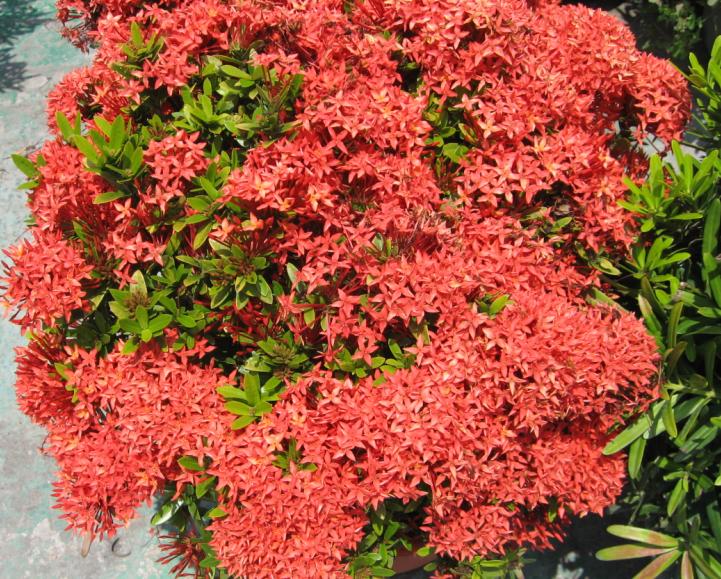
How to grow Chinese ixora (red hydrangea)? Cultivation methods and precautions
Chinese ixora is a common woody flowering plant; it can be found in parks, courtyards and other green spaces. Although the flowers of Chinese ixora are not large, they win by sheer quantity. Regardless of the variety or flower color, when in full bloom you see only round clusters of flowers hanging on the branches, with the leaves almost entirely submerged in a sea of flowers. Chinese ixora is native to tropical Asia
-

What are the methods for repotting and pruning hydrangea?
Potted hydrangeas generally need to be repotted and have their soil changed once a year. Repotting and soil changing are best done in early March. The new soil is prepared in a ratio of 4 parts leaf mold, 4 parts garden soil and 2 parts sandy soil, with an appropriate amount of decomposed cake fertilizer added as a base fertilizer. When changing pots, the plant's root system should be pruned, cutting off rotten roots, decayed roots and overly long root fibers.
-

Phlox, Drummond phlox, annual phlox, five-color plum, grass oleander, campanula pink, foreign plum flower, small foreign flower, small sky-blue hydrangea
Scientific name: Phlox drummondii. Aliases: phlox flower, phlox bloom, five-color plum, grass oleander, campanula pink, foreign plum flower, small foreign flower, small sky-blue hydrangea. Family and genus: Polemoniaceae, Phlox genus. Origin: native to southern North America, now widely cultivated in countries around the world. Origin of the name: the genus name Phlox means flame, because the original species of phlox has red flowers. The species name honors Drummond. Morphological characteristics: plant height 15 to 45 cm. Stems erect, much branched
条件筛选