-

Detailed Explanation of Hydrangea Cutting Propagation Techniques
How to grow hydrangeas? Hydrangea flowers resemble a ball of brocade and prefer fertile, moist soil. They are a very delicate flowering plant, and most hydrangea cultivars can only be reliably propagated through rooted cuttings.
-

How to grow bigleaf hydrangea? Master the cultivation techniques and precautions
Bigleaf hydrangea is what people call hydrangea; its distinctive feature is that the flowers bloom in a ball shape, and the flower colors are rich and varied, giving it extremely high ornamental value. So what should we pay attention to during cultivation?
-

Hydrangea Cultivation and Management Methods and Pest and Disease Control Techniques
Hydrangea is a very beautiful plant and a preferred choice of home-grown plant variety for many people. Below, the editor will talk with you about hydrangea propagation, flower forcing treatment, and pest and disease control cultivation techniques.
-

Is hydrangea toxic when kept indoors? Learn about its toxicity before caring for it
Hydrangea is a very beautiful perennial woody plant, and it is a toxic plant, but its toxins are contained within its tissues, so as long as it is not ingested there is no problem. If there happen to be infants, young children and pets in the home, it is not recommended to place it within their reach, to prevent young children or pets from eating it and causing poisoning.
-
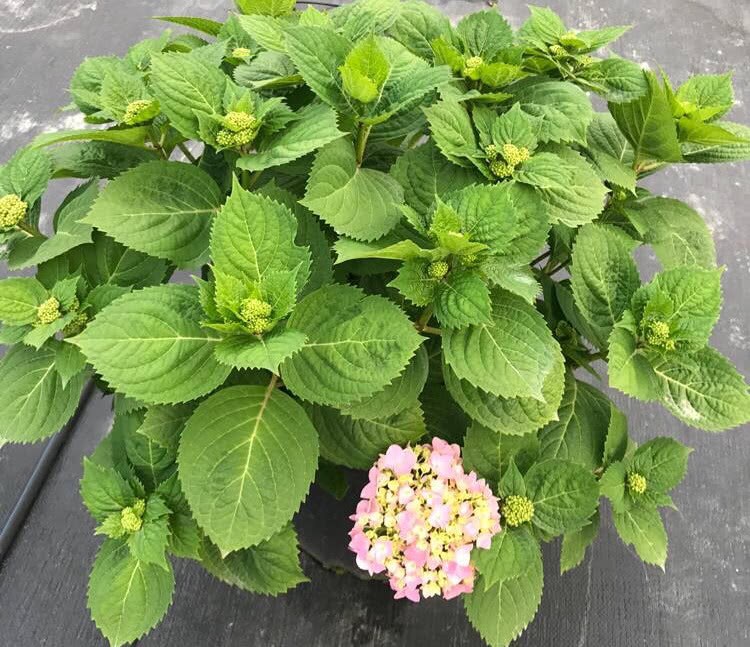
Propagate hydrangea from a single cutting in autumn: it roots fast, grows vigorously, and blooms into big flower balls
Hydrangea, also called French hydrangea or ajisai, is a deciduous shrub in the Saxifrage family. Many hydrangeas are planted in ordinary parks and gardens, and now everyone grows them in small yards, on terraces, or in flower pots on balconies, where they look very beautiful too,...
-
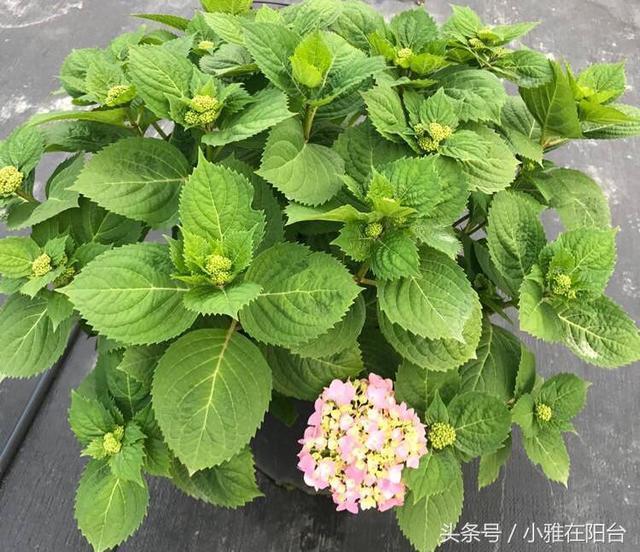
Propagate hydrangeas in autumn with a single stem cutting: they root fast, grow vigorously, and bloom into big flower balls
Hydrangea, also known as bigleaf hydrangea or ziyang flower, is a deciduous shrub in the Saxifrage family. Many hydrangeas are planted in ordinary parks and gardens, and now everyone grows them in small courtyards, on terraces, or in balcony flower pots, where they look very beautiful,...
-

Hydrangea Cutting Propagation Methods and Steps Explained
1. Selecting and Preparing the Branches Select branches that have no flowers or flower buds, about 20 cm will do. Remove the lower leaves, make a diagonal cut about one inch below the node, leaving only one node, and make a flat cut above the node. In addition, the tool used to cut the branches must be very sharp, and the cut must be clean.
-
How to grow hydrangeas? A detailed guide to practical care methods
Soil selection In early spring, rooted hydrangea cuttings can be transplanted into pots. For container growing, use a potting soil mixed from leaf mold, garden soil, river sand and cake fertilizer in a 4:3:2:1 ratio. After potting, water thoroughly and keep indoors for care; by early May it can be moved outside. Hydrangeas should be repotted once every two years in early spring.
-
A Detailed Guide to Hydrangea Growing Methods and Precautions
Acidic soil Hydrangeas like slightly acidic soil, so when growing hydrangeas, in addition to watering them normally, you can also mix a few drops of rice vinegar into the water to adjust the soil's pH, thereby helping the hydrangea grow better. Timely pruning During the hydrangea's growing season, pinch off the growing tips.
-
A detailed guide to hydrangea growing methods, easy enough for beginners to grow well
1. Soil selection. For hydrangea soil, you can use a mix in the ratio of 4 parts leaf mold, 3 parts garden soil, 2 parts river sand, and 1 part cake fertilizer. 2. Fertilization method. Hydrangea is quite fond of fertilizer; generally during the growing season, you can apply cake fertilizer once every half month. Hydrangea likes acidic soil
条件筛选