What to Do When Hydrangea Leaves Turn Yellow? Control Watering and Fertilizing, and Adjust Soil pH
Hydrangea, a very beautiful flowering plant, comes in a rich variety of colors, and many flower lovers grow it in pots at home. However, many beginners run into the problem of hydrangea leaves turning yellow while growing hydrangeas, which greatly reduces the ornamental value of the plant. So what should be done in this case? In response, the editor has summarized 6 causes of hydrangea leaves turning yellow. Flower lovers with this problem, come and take a look!
1. What to Do When Hydrangea Leaves Turn Yellow: Find the Cause
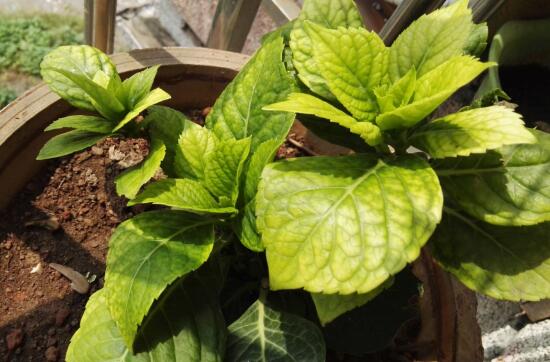
In daily life, many people grow hydrangeas, but perhaps many are beginners who do not follow proper hydrangea cultivation methods, so yellowing hydrangea leaves often occur. As for what to do when hydrangea leaves turn yellow, the editor has summarized 6 points and included solutions. Let's continue reading.
2. Causes of Hydrangea Leaves Turning Yellow and Solutions
1. Sudden environmental changes
There are actually many causes of hydrangea leaves turning yellow, but the first thing to consider should be environmental factors. In daily life, many flower lovers buy their hydrangeas online, which can easily involve a large geographical span, making it hard for the hydrangea to adapt for a while, resulting in yellowing leaves.
Solution: At this point, you can communicate with the seller to learn about the growing environment of the hydrangea before it was purchased, and then recreate the same environment at home. After that, you can change it gradually until the plant fully adapts to the current environment. After some time, the hydrangea will recover and become healthy.
2. Alkaline soil
In hydrangea cultivation methods, we have said that hydrangeas are suited to growing in slightly acidic soil. If you grow hydrangeas in alkaline soil, over time the leaves will turn yellow.
Solution: If it is caused by alkaline soil, repot and change the soil promptly, replacing it with loose, fertile, slightly acidic soil, and with careful care for a period of time it will recover.
3. Light too strong or insufficient
Hydrangeas prefer shade and dislike strong sun, so light definitely should not be excessive. Once the light is too strong, the leaves will turn yellow and yellowish-white, with yellow-brown spots appearing. But hydrangeas also cannot lack light. Once light is insufficient, the plant will produce thin, spindly, leggy branches, with symptoms of yellowing leaf color.
Solution: If light is too strong, move it to a cool, ventilated place to prevent direct sunlight, water appropriately, and care for it carefully for a period of time. If light is insufficient, it is very simple: increase the light duration, and it will gradually recover.
4. Overwatering (water-induced yellowing)
Hydrangeas prefer a moist environment, but once overwatered, causing water to accumulate in the pot and poor soil aeration, some of the fibrous roots will rot. The symptoms shown are: the young leaves turn dark yellow and lose their luster, and new shoots shrink.
Solution: At this point, you should stop watering, loosen the soil and let it dry out, and water again only after it has dried thoroughly. If it is caused by water accumulation after rain, promptly pour out the accumulated water in the pot, and with careful care for a period of time it will recover.
5. Long-term water deficiency (drought-induced yellowing)
Besides overwatering, long-term lack of water or too little watering, causing the potting soil to become too dry, can also cause hydrangea leaves to turn yellow. The symptoms are: although the new leaves have normal color, the lower leaves gradually dry, yellow, and fall off from the bottom upward as they age.
Solution: At this point, you should first water a small amount, then after half an hour water thoroughly, and at the same time spray clean water on the branches and leaves.
6. Too much fertilizer or long-term lack of fertilizer
Hydrangeas like fertilizer, but too much fertilizer can easily burn the roots, causing the leaves to scorch, yellow, and fall off. But fertilizer also cannot be too little. Once the soil has not been changed or fertilized for a long time, especially when nitrogen fertilizer is lacking, the hydrangea will show yellowing leaves due to insufficient nutrient supply.
Solution: If too much fertilizer was applied, stop fertilizing and increase watering so the fertilizer flows out through the drainage holes at the bottom of the pot, or just repot and change the soil. If fertilizer is lacking, change the potting soil, replacing it with new fertile, loose soil containing nitrogen, and water with a dilute liquid fertilizer or compound fertilizer about once every 10 days. Before long, the hydrangea leaves will turn from yellow to green.
What to Do When Hydrangea Leaves Turn Yellow and Wilt
The main value of hydrangeas lies in their flowers: large blooms with beautiful colors that adorn the home and are a feast for the eyes. But during care, yellowing leaves often occur. Next, we introduce what to do when hydrangea leaves turn yellow, solving each cause one by one.
What to Do When Hydrangea Leaves Turn Yellow (Cause Analysis and Solutions) 1. Hydrangea leaves turning yellow: acidic soilHydrangeas are suited to growing in acidic soil because it contains a large amount of iron, which can meet their nutritional needs. If the planting soil is alkaline or if alkaline or neutral water is used for a long time, the soil will lack iron and the leaf color will gradually turn yellow. The main signs are yellowing of the young leaves at the tips of the branches and yellowing of the old leaves, but the leaf veins remain green. As the condition worsens, the entire plant's leaves will turn yellow, the leaf margins will scorch, and they will gradually fall off.
Solution
Water with ferrous sulfate solution or monopotassium phosphate solution once every 10-20 days to ensure the soil is acidic. Or directly water with a 150-250 times diluted edible rice vinegar solution; 3-4 times will show results. (It is best to use these three solutions in rotation for better results.) When planting or when repotting and changing soil, add sulfur powder to the soil to ensure the soil is acidic; its effectiveness can last 2-3 years. In spring and autumn, when branches and leaves are lush, apply alum fertilizer water once every 15 days, which can prevent yellowing disease in the plant and make the leaves bright and deep green.
2. Hydrangea leaves turning yellow: lightHydrangeas like a semi-shaded environment and grow well under scattered light. During growth, avoid direct sunlight. If light is insufficient, or if light is too strong, the leaves will turn yellow and white, with yellow-brown spots appearing. If light is insufficient, the branches will be thin, the leaves weak, and the leaf color dull and lusterless.
Solution
If light is too little, appropriately increase the light duration, and it will gradually recover. If light is too strong, immediately move the plant to a cool, shaded place to avoid direct sunlight. At the same time, frequently spray water on the leaves and the surrounding environment to increase air humidity, and gradually the leaves will recover their green color.
Hydrangea leaves turning yellow: droughtHydrangeas prefer a relatively moist environment and fear waterlogging and drought. If overwatered, the potting soil becomes waterlogged and lacks oxygen, causing root rot and yellowing leaves. If underwatered, the roots cannot absorb water, the leaf tips dry out and turn yellow, and the plant gradually turns yellow and drops leaves from the bottom upward.
Solution
When watering, stick to watering only after the soil has dried thoroughly. If overwatered, stop watering, loosen the soil, and let it dry. If underwatered and the soil surface is too dry, first water a small amount, then after half an hour water thoroughly, and at the same time spray clean water on the branches and leaves.
Hydrangea leaves turning yellow: fertilizingDuring fertilization of hydrangeas, if the fertilizer is too concentrated or raw fertilizer is applied, it can very easily burn the roots, causing the leaves to turn yellow. If the plant has not had its soil changed for a long time, especially when nitrogen fertilizer is lacking, the plant cannot get enough nutrients for growth, and the leaves lose their green color and turn yellow.
Solution
If too much fertilizer was applied, immediately stop fertilizing and water a small amount. Or directly remove the plant from the pot, rinse the plant with clean water, change the soil, and replant. If yellowing leaves are caused by too little fertilizer, promptly change the soil and fertilize, watering with a dilute liquid fertilizer about once every 10 days, and the leaves will gradually turn green.
What to Do When a Hydrangea WiltsAfter a hydrangea wilts, many people think it will soon wither completely and can only give up. In fact, hydrangeas are not that fragile. As long as you remedy the situation in time, they can still bloom beautifully.
1. When watering the pot, be sure to water thoroughly. Hydrangeas like moist soil, and you should also spray water on the flowers and leaves. But do not spray too much water, otherwise it will have the opposite effect.
2. Hydrangeas are afraid of sun exposure, so do not take the flowers out to bake in the sun when the sunlight is very strong. If the flowers wilt, you can first let them recover in a cool place for a few days.
3. Fertilize the hydrangea regularly to ensure the necessary nutrients.
4. Hydrangeas are suited to growing in moist, fertile, slightly acidic soil, and a dry place in winter is better.
5. Keep the temperature at around 18-28 degrees, no lower than 5 degrees in winter, and around 16 degrees after flowering. High temperatures will make hydrangeas fade very quickly.
What to Do When Hydrangea (Eight Immortals Flower) Leaves Turn Yellow
Maintain acidic soil
Causes of hydrangea leaves turning yellow
Hydrangeas are suited to growing in acidic soil because it contains a large amount of iron, which can meet their nutritional needs. If the planting soil is alkaline or if alkaline or neutral water is used for a long time, the soil will lack iron and the leaf color will gradually turn yellow. The main signs are yellowing of the young leaves at the tips of the branches and yellowing of the old leaves, but the leaf veins remain green. As the condition worsens, the entire plant's leaves will turn yellow, the leaf margins will scorch, and they will gradually fall off.
Solution
Water with ferrous sulfate solution or monopotassium phosphate solution once every 10-20 days to ensure the soil is acidic. Or directly water with a 150-250 times diluted edible rice vinegar solution; 3-4 times will show results. (It is best to use these three solutions in rotation for better results.)
When planting or when repotting and changing soil, add sulfur powder to the soil to ensure the soil is acidic; its effectiveness can last 2-3 years.
In spring and autumn, when branches and leaves are lush, apply alum fertilizer water once every 15 days, which can prevent yellowing disease in the plant and make the leaves bright and deep green.
Reasonable light
Causes of hydrangea leaves turning yellow
Hydrangeas like a semi-shaded environment and grow well under scattered light. During growth, avoid direct sunlight. If light is insufficient, or if light is too strong, the leaves will turn yellow and white, with yellow-brown spots appearing. If light is insufficient, the branches will be thin, the leaves weak, and the leaf color dull and lusterless.
Solution
If light is too little, appropriately increase the light duration, and it will gradually recover.
If light is too strong, immediately move the plant to a cool, shaded place to avoid direct sunlight. At the same time, frequently spray water on the leaves and the surrounding environment to increase air humidity, and gradually the leaves will recover their green color.
Proper handling of drought
Causes of hydrangea leaves turning yellow
Hydrangeas prefer a relatively moist environment and fear waterlogging and drought. If overwatered, the potting soil becomes waterlogged and lacks oxygen, causing root rot and yellowing leaves. If underwatered, the roots cannot absorb water, the leaf tips dry out and turn yellow, and the plant gradually turns yellow and drops leaves from the bottom upward.
Solution
When watering, stick to watering only after the soil has dried thoroughly. If overwatered, stop watering, loosen the soil, and let it dry.
If underwatered and the soil surface is too dry, first water a small amount, then after half an hour water thoroughly, and at the same time spray clean water on the branches and leaves.
Correct fertilizing
Causes of hydrangea leaves turning yellow
During fertilization of hydrangeas, if the fertilizer is too concentrated or raw fertilizer is applied, it can very easily burn the roots, causing the leaves to turn yellow. If the plant has not had its soil changed for a long time, especially when nitrogen fertilizer is lacking, the plant cannot get enough nutrients for growth, and the leaves lose their green color and turn yellow.
Solution
If too much fertilizer was applied, immediately stop fertilizing and water a small amount. Or directly remove the plant from the pot, rinse the plant with clean water, change the soil, and replant.
If yellowing leaves are caused by too little fertilizer, promptly change the soil and fertilize, watering with a dilute liquid fertilizer about once every 10 days, and the leaves will gradually turn green.