-

What is crop root rot? A comprehensive guide to root rot knowledge
Text and images: Zhijiansha. 1. Signs of root rot. Obvious wrinkles on the leaves. When a succulent's roots rot, the leaves show obvious signs of water shortage. If you watered it recently, be careful that it may be root rot from too much water. Leaves fall off at a touch. Succulent leaves drop...
-
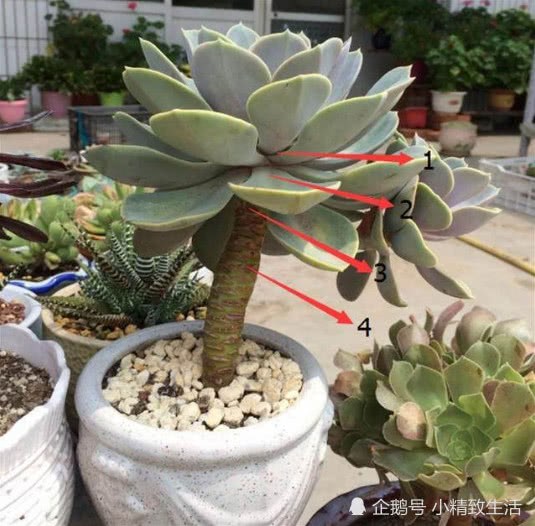
Beginner's guide to beheading succulents: 5 pieces of advice from a grower with 6 years of experience
Beheading succulents has many purposes: beheading can turn one into two and two into four; succulents that have grown leggy need beheading; succulents with black rot need beheading; beheading a succulent can also turn a single head into a cluster of heads. So how exactly should you behead your succulents? Beheading requires...
-
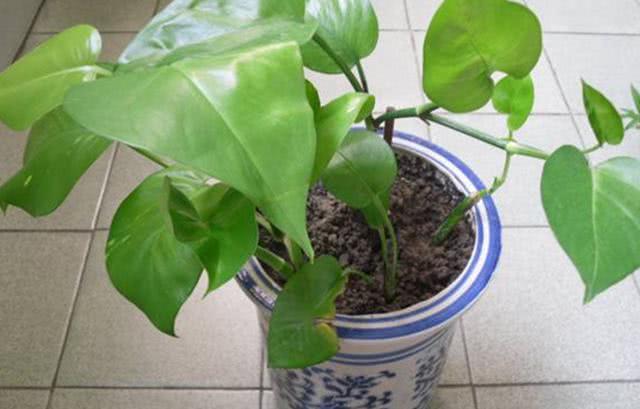
Complete Guide to Pothos Varieties: The Pothos and Hanging Pothos You've Never Seen Will Open Your Eyes
Pothos is an evergreen trailing plant and one of the most popular green plants for indoor growing. A healthy pothos has very dense vines and a strong tolerance for shade, and its leaves have a fine gloss. Pothos can not only bring...
-

A Complete Guide to Kiwi Vine Pruning, Fertilizing, and Pest and Disease Control in June
Growers who cultivate kiwi vines all know that June is the fruit enlargement period for kiwi vines, as well as the second peak period of fertilizer demand and the time when pests and diseases are most rampant. Therefore, doing a good job of orchard management in June is crucial for achieving high quality and high yields of kiwi later on...
-

How to Grow Snake Plants So They Thrive? A Complete Guide to Care Methods
If you want to grow snake plants better, pay attention to the following aspects: first, light - place them in a spot with plenty of sunlight. Second, temperature - give them a suitable growing temperature of 23°C. Third, watering - do not water too frequently; water once every 2-3 days. Fourth, fertilizing - apply fertilizer once every 15 days during the growing season. Fifth, repotting - choose early spring for repotting, and water lightly one week after repotting.
-

How to Grow Monstera deliciosa Well? A Detailed Guide to Care Methods
To grow Monstera deliciosa well, pay attention to the following four aspects: First, watering - keep the potting soil moist. Second, light - do not leave it in a strong-light environment for long periods; indirect light is enough. Third, repotting - repot once every spring. Fourth, pruning - cut off diseased and yellow leaves, and do not use scissors when pruning, because wounds made by scissors heal with great difficulty.
-

How to grow a rubber plant (Ficus elastica) so it thrives? A detailed guide to care methods
If you want your rubber plant to grow better, pay attention to the following four aspects: first, light - give it plenty of sunlight. Second, water - water it moderately when the soil is dry, keeping it moist but not waterlogged. Third, proper pruning - this reduces the consumption of nutrients. Fourth, repotting - this lets it grow better.
-

How do you care for jasmine so it grows well? A detailed guide to care methods
To help jasmine grow better, pay attention to the following four aspects: first, watering - increase watering appropriately during the growing season, but do not let water accumulate in the pot. Second, fertilizing - increase the amount of fertilizer during the peak growth period. Third, pruning - cut off dried branches and yellow leaves, and cut off branches that have grown too dense. Fourth, repotting - there is no need to prune the roots when repotting; water appropriately after repotting.
-

How to grow Dendrobium orchids well? A detailed guide to Dendrobium cultivation methods
If you want to grow Dendrobium orchids better, pay attention to the following points. First, temperature: 15-30°C, and not lower than 5°C. Second, light: place it in a spot with diffused light, and do not let it be exposed to strong light. Third, fertilizing: stop fertilizing after the dormant period. Fourth, watering: water it appropriately. Fifth, pests and diseases: remove pests and diseases in time and clean up the diseased leaves thoroughly.
-

How to Grow Mint Well? A Detailed Guide to Care Methods
If you want mint to grow better, pay attention to the following four aspects: first, watering, using a spray bottle to water directly from above. Second, "haircut," to help side buds grow. Third, repotting, repot once every spring. Fourth, pruning, proper pinching and topping can help it grow better; after pruning, place it in a well-ventilated spot.
条件筛选