-
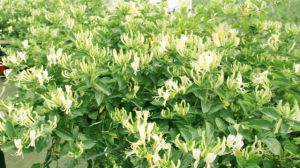
How to Grow Japanese Honeysuckle? A Detailed Guide to Japanese Honeysuckle Cultivation Methods
Growing Japanese honeysuckle requires fertile, moist soil. Generally, water it once every 3-5 days, increase watering appropriately in summer, and apply some cake fertilizer as a base fertilizer when repotting. It likes an environment with plenty of sunlight, but cannot be exposed to strong direct sunlight. It is generally propagated by cuttings, and attention should also be paid to preventing leaf spot disease, aphids, and other pests and diseases.
-
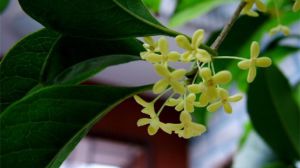
How to grow osmanthus? Detailed guide to cultivation methods and precautions
To grow osmanthus, use slightly acidic soil. Water sparingly before new shoots emerge, water less on cloudy and rainy days, and water more in dry summers. During the flower bud differentiation stage, it needs about 8 hours of light per day. After sprouting, apply diluted decomposed cake fertilizer water once every 10 days. Propagation can be done by seeding and cuttings. If diseases are found, take timely measures to deal with them.
-
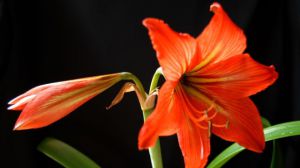
How to Grow Amaryllis? Detailed Guide to Growing Methods and Precautions
To grow amaryllis, use sandy soil with good drainage, and keep the temperature at 18-22°C for best results. Normally, place it at a window with good ventilation and bright light but no direct strong sunlight. When watering, water thoroughly, but do not use too much water. Propagation can be done by seeding and cutting.
-
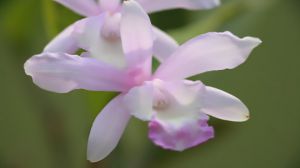
How to Fertilize Dendrobium Orchids? A Detailed Guide to the Correct Fertilization Method
It is best to fertilize it when the temperature is between 15-30°C. During the growing period, nitrogen fertilizer can be applied, and when it fruits, phosphorus and potassium fertilizer should be applied. Solid fertilizer should be buried away from the roots, while water-soluble fertilizer can be applied together with watering. Do not apply too much at once; apply light fertilizer frequently.
-

What Is the Difference Between Daffodils and Orchids? A Quick Guide to Telling Them Apart
Daffodil roots are very thin, while orchid roots are as thick as chopsticks. Daffodil flower stalks grow from the center of the bulb, while orchid ones grow from the side. Daffodil bulbs are relatively soft and can be peeled down to the core, while orchid bulbs are harder and cannot be peeled to the core.
-
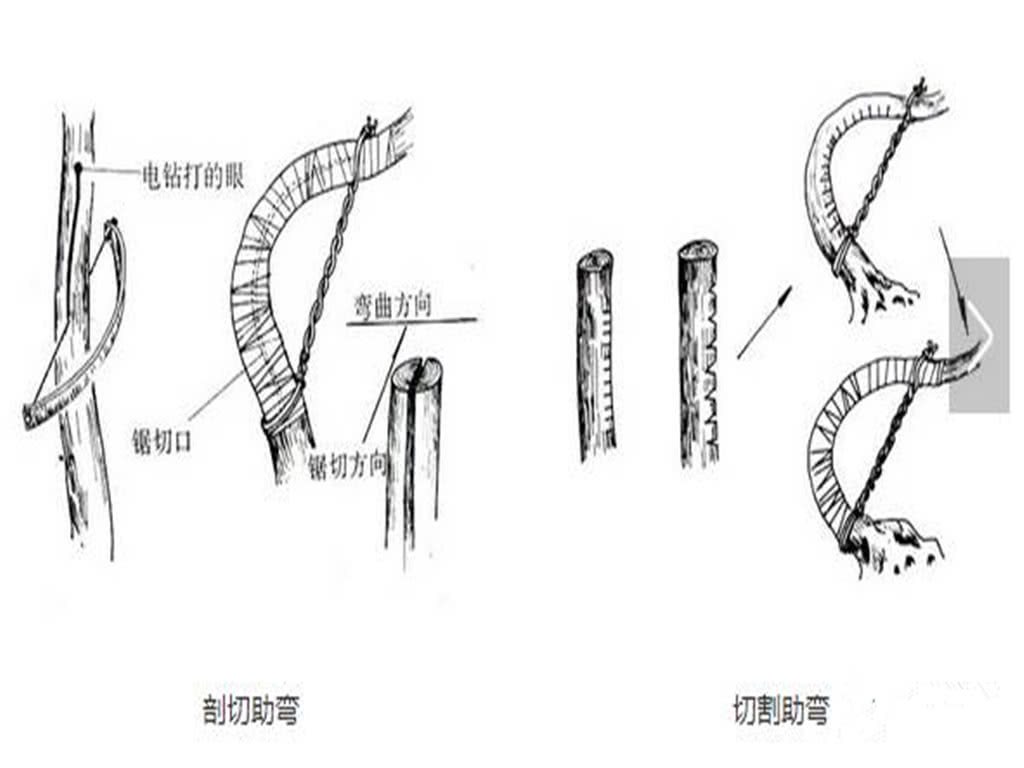
How do you learn stump shaping? Four illustrated guides take you from beginner to mastery
Four idiot-proof stump diagrams: the first one explains in detail how to shape a stump - the tools you can use and where to shape it - so we no longer feel lost. In this diagram, it clearly tells us that when shaping a stump...
-
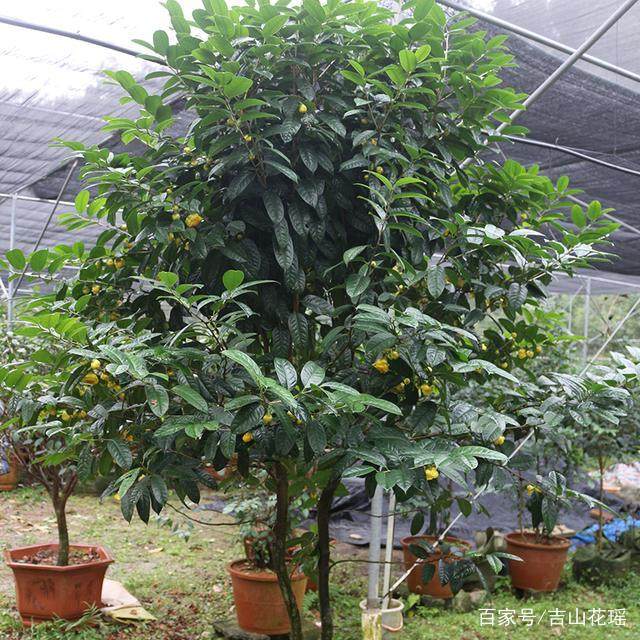
How to make a Camellia nitidissima bonsai, a step-by-step guide
How do you make a Camellia nitidissima bonsai? A Camellia nitidissima bonsai is a bonsai made from a Camellia nitidissima tree, and it has excellent ornamental value. Existing Camellia nitidissima bonsai all lack a complete production and manufacturing system, which makes Camellia nitidissima bonsai appear uneven...
-
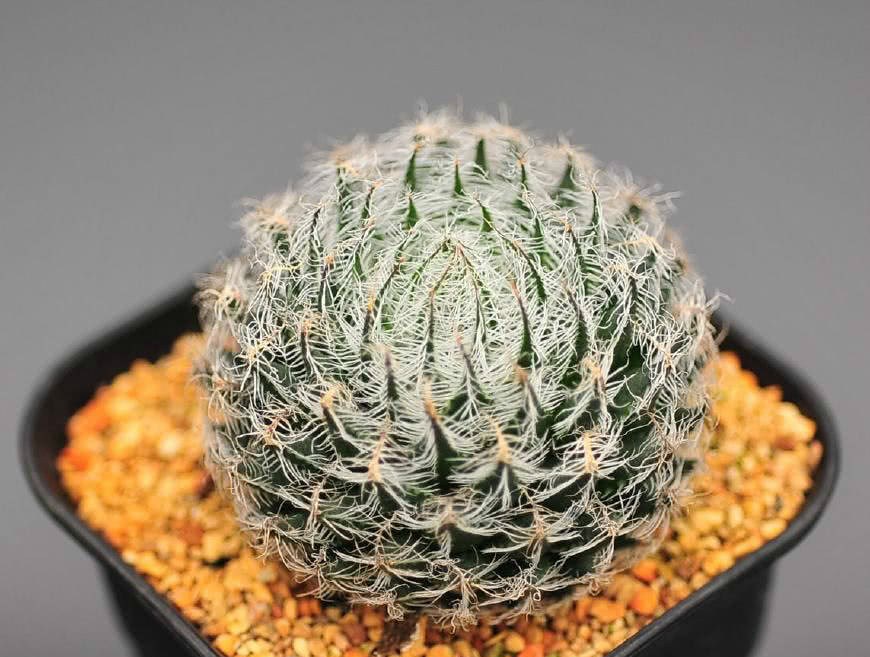
The complete succulent plant family guide, with detailed introductions from an expert
Thanks to Ruhua for the material steel wool, small seedling started at 3-4cm, 4 years to 8cm, topped once during that time; the crested form of Rain Swallow, leaf propagation for about two years; White Bird, it had this many heads when bought but they were not this big, no specific records kept, but it has grown quite a lot; Thumb Fairy Cup 8c...
-
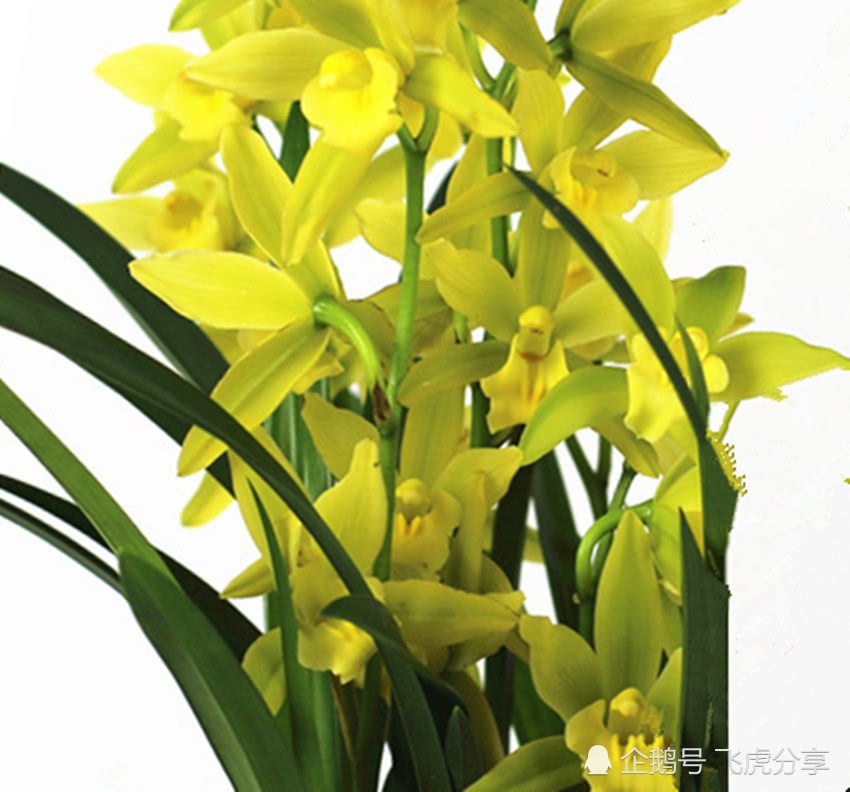
How to grow orchids so they produce more shoots, more flowers, thick roots, and lush leaves? A step-by-step guide
Many beginners who have just taken up the hobby always think orchids are very hard to grow, and no matter how they try, they just can't grow them well. For people with experience in growing orchids, cultivating orchids is not difficult at all, and in fact it is very easy and very simple to grow them. The reasons orchids don't grow well...
-
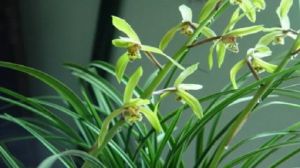
What is the difference between orchids and spider plants? A quick guide to telling the two apart
Orchids and spider plants are two different species. The former has horizontal stems, while the latter has rather thick, short rhizomes. The former is mostly found in China, while the latter comes from Africa and is now grown all over the world.
条件筛选