-
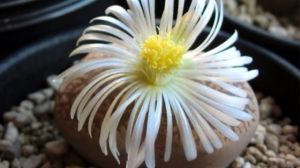
How to Care for Living Stones (Lithops)? Detailed Guide to Care Methods and Precautions
Growing living stones requires loose, well-aerated sandy loam soil and a consistently moist environment. The most suitable growing temperature is 15-25°C. In spring and autumn, they can be placed in direct sunlight. They can be propagated by seed sowing and by cuttings. Also, watch out for leaf spot disease and leaf rot disease.
-

How to grow cyclamen? Detailed guide to cultivation methods and precautions
Soil: Use a fertile, loose, slightly acidic to neutral soil. Light: It likes sunlight but fears direct light. Watering: It likes moisture but fears waterlogging; keep the soil moist. Temperature: The optimum is 10-20°C; in summer keep it below 30°C, and in winter keep it above 0°C. Fertilizing: Apply monopotassium phosphate in spring and autumn; do not apply nitrogen fertilizer during the flowering period. Ventilation: Regular ventilation is needed.
-
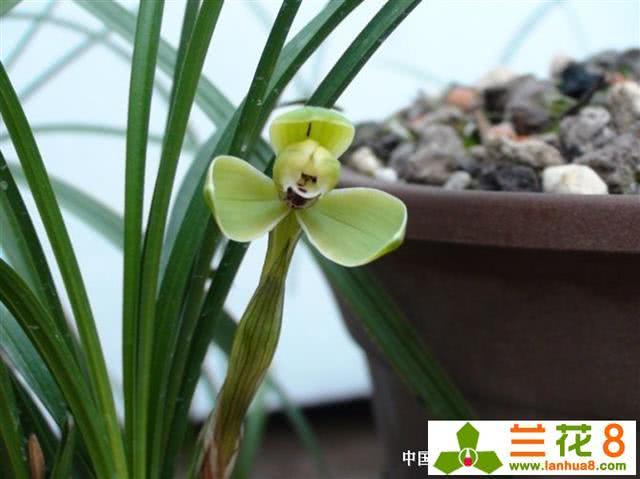
How to Identify Orchid Petal Types? A Complete Guide to Practical Methods
The theory of orchid petal types, after being founded by Mr. Bao Weisheng in the early Qing Dynasty, was continuously refined by many orchid scholars, and it was not until Mr. Xu Qilou that it was discussed in detail in his famous work "Lan Hui Tong Xin Lu." This book is difficult to understand, so I now present my learning...
-

Detailed Guide to Making a Dwarf Sweet Flag Bonsai
Dwarf sweet flag, also known as fragrant sweet flag, is an evergreen perennial herbaceous plant with a rhizomatous root system in the Araceae family, belonging to the genus Acorus. It has a short, compact form with fine, sword-shaped leaves, fresh and green, pleasing to the eye, highly adaptable, vigorous in growth and easy to manage. Made into a miniature bonsai, it is rustic and elegant.
-

A detailed guide to pepperwood propagation methods, easy for beginners to learn too
Pepperwood is mainly propagated in two ways: sowing and cuttings. For sowing, first select the fruit and take the seeds, then soak the seeds for a period of time, and afterward sow them by dibbling or broadcasting. For cuttings, do it in spring or autumn, choose middle branches about one year old and 10 to 15 cm long, insert them into slightly acidic soil and keep them moist.
-

How to plant cosmos? A detailed guide to the planting method
If you want to plant cosmos, you first need to give it neutral to slightly acidic soil, then choose good seeds, after which you can simply scatter them on top of the soil. In about seven to ten days they will sprout, and when its leaves have grown out and the plant itself is about five cm tall, you can transplant it.
-
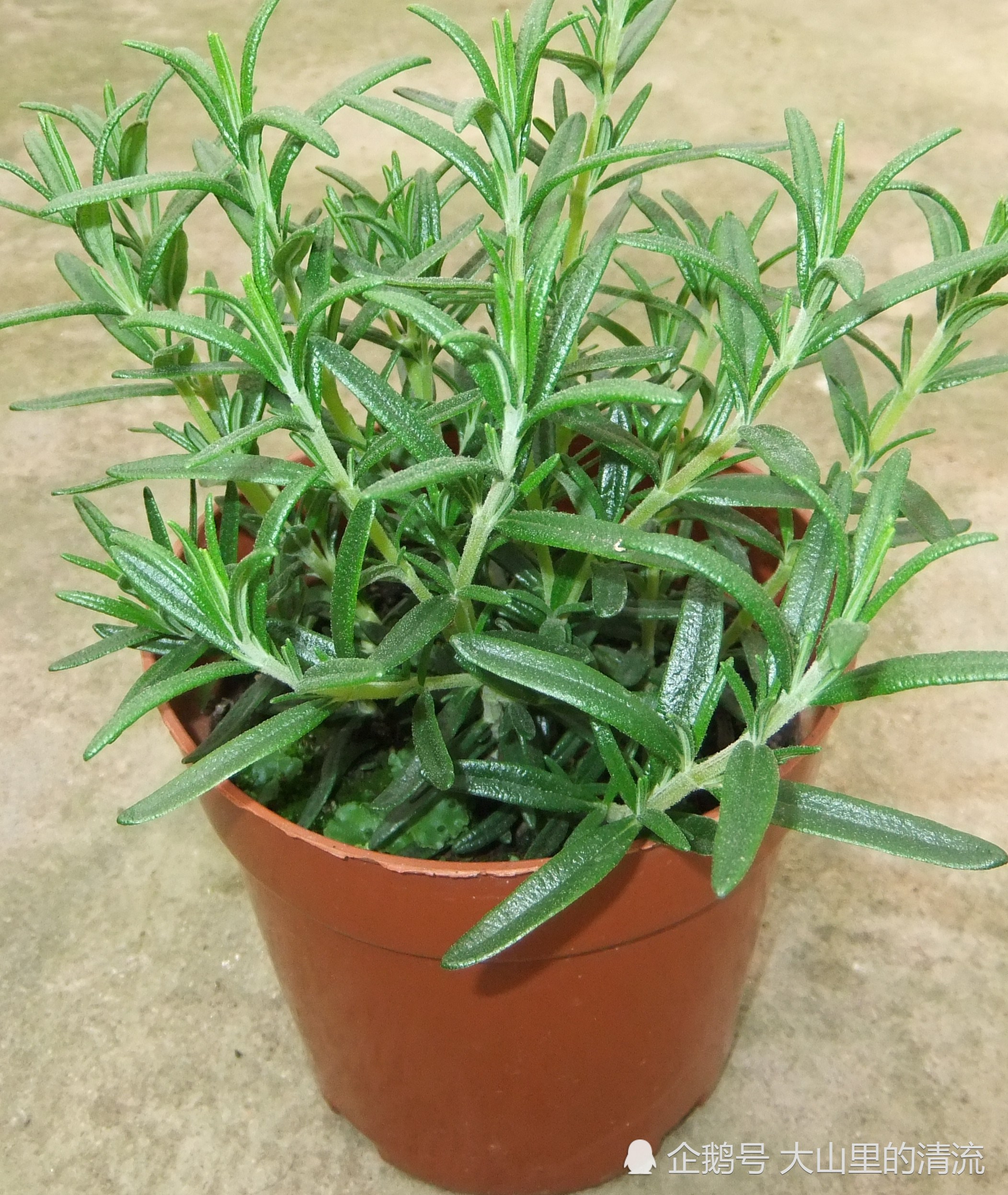
How to grow potted rosemary? A detailed guide to cuttings, care and getting a full, bushy plant
Rosemary is a shrub in the mint family (Lamiaceae). Rosemary has a fresh scent and some insect-repelling effect, so many people also like to grow it in pots. So how do you grow rosemary well? Let's talk about it based on a few of rosemary's habits. ...
-
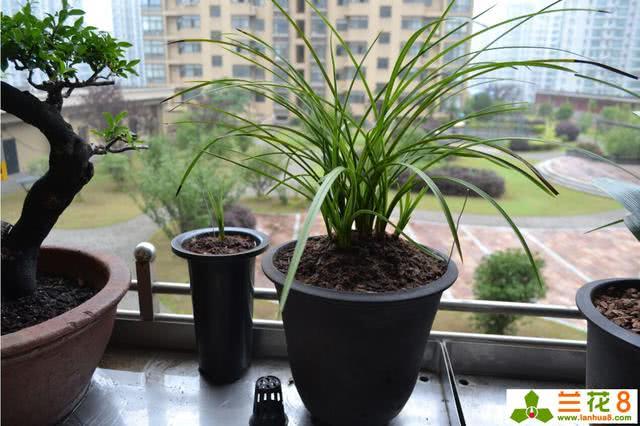
A detailed guide to watering orchids through all four seasons
Orchids love to grow in cool, moist environments. The word "moist" certainly does not mean that large amounts of water must be poured into the soil, but rather that the necessary humidity for their growth should be provided. Orchid leaves are relatively thick, covered with a cuticle, and the plants also have plump pseudobulbs and fleshy roots, which besides storing a certain amount of nutrients can also hold a certain amount of water, so that they can regulate themselves during brief dry spells and are not likely to dry out and die quickly. However, if the soil is too dry, the pseudobulbs shrivel or other tissues lose water and metabolism is affected. If there is too much water, water accumulates in the soil, aeration is poor, the roots' ability to breathe is blocked, and water uptake is affected, which easily causes root rot.
-
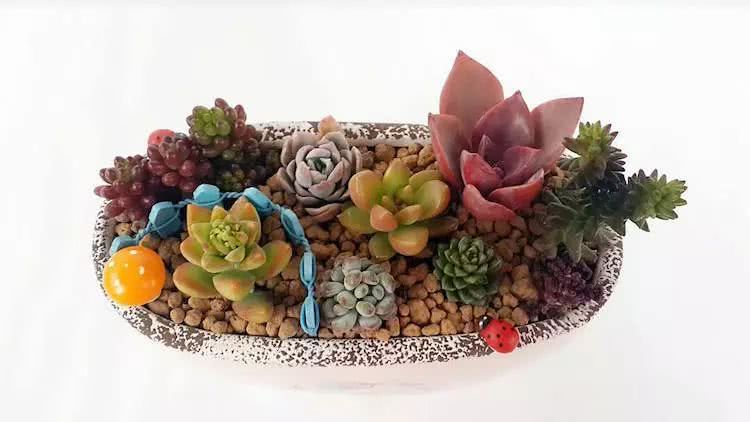
How to Get Succulents Through Summer? A Detailed Guide to Summer Care Techniques
All across the country, the hot summer season is about to begin, especially in southern cities, where temperatures in many areas have already reached over 30 degrees. As the temperature rises, succulent care requires extreme vigilance. In the scorching summer,...
-
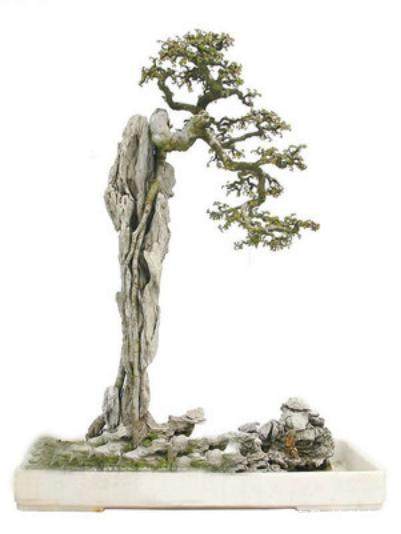
How do you process and plant bonsai stumps collected from the mountain? A step-by-step guide
1. New stumps are the biggest challenge! Do not misunderstand. As everyone knows, the advantages of newly collected stumps are better than those of potted plants. Please do not bury them too deep. There is one of the rarest death rules among new stumps. Because the dug pit has worse soil than the surrounding soil, water cannot drain away...
条件筛选