How to grow Dendrobium orchids well? A detailed guide to Dendrobium cultivation methods
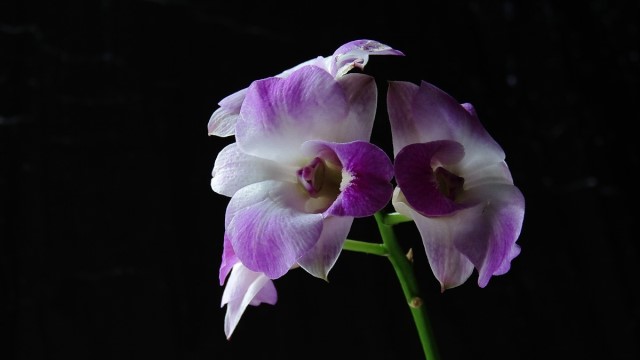
1. Temperature
The suitable temperature for Dendrobium growth is 15-30°C, but it should not be lower than 5°C, otherwise it will enter a dormant state and may also suffer frost damage. If the temperature is relatively high, move it to a cool, ventilated place; if the temperature is relatively low, take measures to keep it warm.
2. Light
The natural growing environment of Dendrobium is very humid and shady, so when cultivating it, it is best to place it in a spot with diffused light and not let it be exposed to strong light. If it is winter and the temperature is relatively low, place it somewhere that receives sunlight; only then can it grow better and avoid frost damage.
3. Fertilizing
Dendrobium will still grow well without fertilizing, but if you want it to bloom, fertilizing is essential. Farmyard manure can be used for fertilizing, and after it enters the dormant period, fertilizing should be stopped.
4. Watering
Dendrobium likes a humid environment, so water it appropriately, but the amount of water must be well controlled. If the amount of water is too large, root rot will occur, which is not only bad for its better growth but also affects its normal growth. Therefore, watering should be moderate, and when watering, water thoroughly in one go.
5. Pests and diseases
If you want to grow Dendrobium better, remove pests and diseases in time, clean up the diseased leaves thoroughly, and also increase ventilation, which can greatly reduce the chance of pest damage.