-
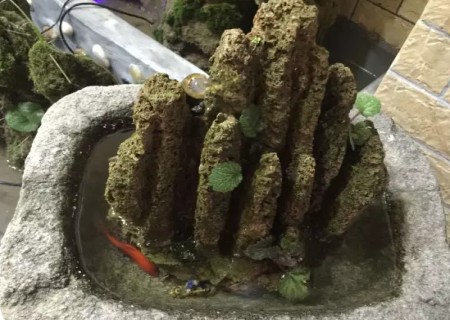
A Detailed Guide to Making Upward-Watering Stone Bonsai
Upward-watering stone bonsai is mainly a beautiful landscape formed by combining rocks with plants. It is further refined on the basis of landscape bonsai. There are many materials for making upward-watering stone bonsai, most of which are obtained from nature, so the finished bonsai has a more natural character. So, how do you make an upward-watering stone bonsai?
-
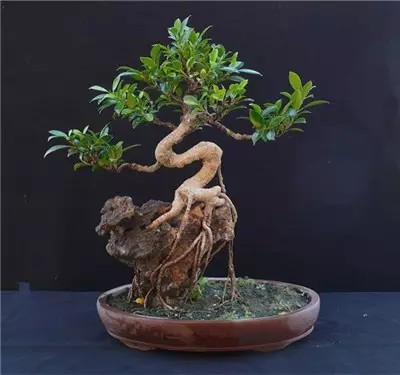
A Master-Level Complete Guide to the Art of Root-on-Rock Penjing Styling
Root-on-rock penjing is a style of penjing art in which rock is the main element, trees grow clinging to the rock, and rock and tree form a single integrated whole. The trees are planted among the rocks, their roots reaching into the crevices to grow, their branches and trunks twisting into the stone hollows or sprouting in clusters on the rock, or hanging down below the stone, or leaning sideways against it, so that the fantastic rock and the ancient tree set each other off beautifully.
-
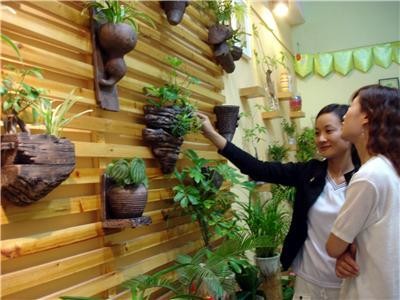
Detailed Guide to Making Wall-Mounted Landscape Bonsai
A wall-mounted landscape bonsai generally uses a marble slab or porcelain plate as the backing board (the backing board may have a frame or be frameless), with carefully selected and processed rocks pasted onto the board surface to create a poetic and picturesque landscape scene. The rocks commonly used include Yingde stone, sandy accumulative stone, stalactite stone, etc.
-
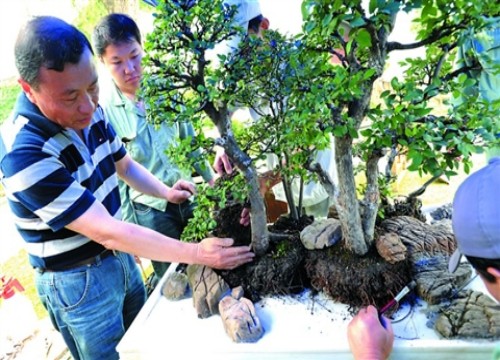
Detailed step-by-step guide to making a water-and-land bonsai, easy for beginners to learn
Water-and-land bonsai is rich in painterly charm, blending scenery and emotion, appealing to both refined and popular tastes, and is a form loved by the broad masses. Making a water-and-land bonsai requires not only the basic skills for working with tree bonsai, but also experience in making landscape bonsai, and demands that the creator have a high level of cultural and artistic cultivation. Only with hills and valleys in the heart, an eye for beauty
-
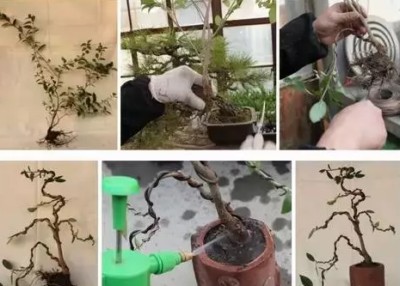
How to Make and Combine Miniature Bonsai? A Detailed Guide to the Method
Miniature bonsai are made mainly with flowers and grasses, accented with small items such as rocks. They are small in form, exquisite and unique in shape, and place great emphasis on overall structure and fineness of detail. For general plant shaping, the optimal time should be after the onset of winter and before the plants bud the following spring. Before shaping
-
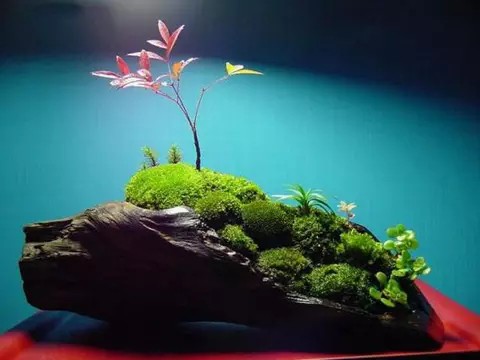
A detailed guide to the moss-planting method for landscape bonsai, teaching you to grow natural moss
At the mention of moss bonsai, we inevitably think of Japanese-style gardening landscapes. These bonsai, with their cute shapes and verdant tones, are given different themes by people's imagination; a small container is a miniature world. The benefit of making moss bonsai lies in honing our carefulness and patience.
-
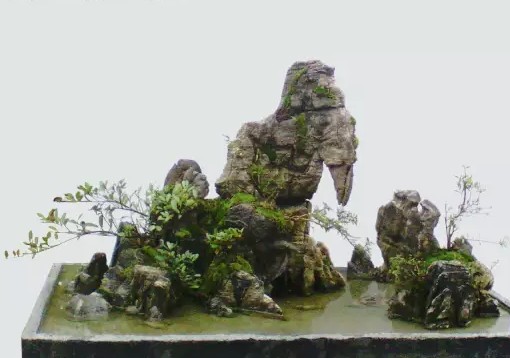
Detailed Guide to Planting Methods for Landscape Bonsai Plants
When arranging trees on landscape bonsai, the tree species and ecological styling should be chosen according to the desired artistic conception. Commonly used tree species for planting include five-needle pine, small-leaf podocarpus, serissa, boxleaf euonymus, small-leaf elm, Japanese bush cherry, small-leaf privet, and others, while herbaceous plants include asparagus fern, Selaginella uncinata, cattail grass, maidenhair fern, and brake fern.
-
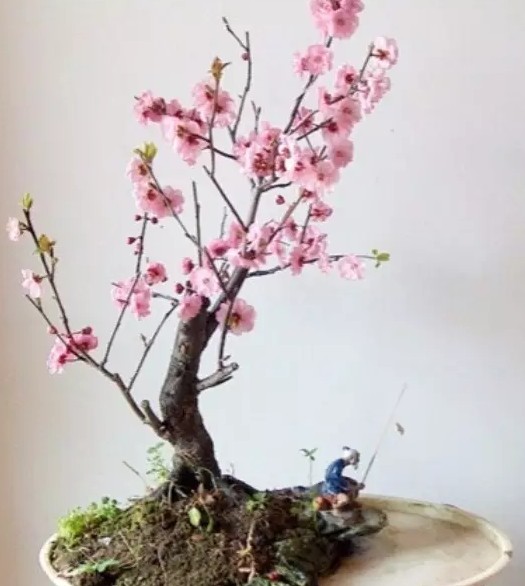
How to make a plum-blossom beauty semi-aquatic bonsai? A step-by-step guide
The plum-blossom beauty (Meiren Mei) is a new type of plant produced by crossing a double-petaled pink plum blossom with the red-leaf plum (Prunus cerasifera). It has the characteristics of the plum blossom as well as the traits of the red-leaf plum. Its flowers have multiple layers of petals and are pink in color, and its leaves are fairly dense, mostly red in color. In addition, after the plum-blossom beauty blooms, it produces fruit
-

-
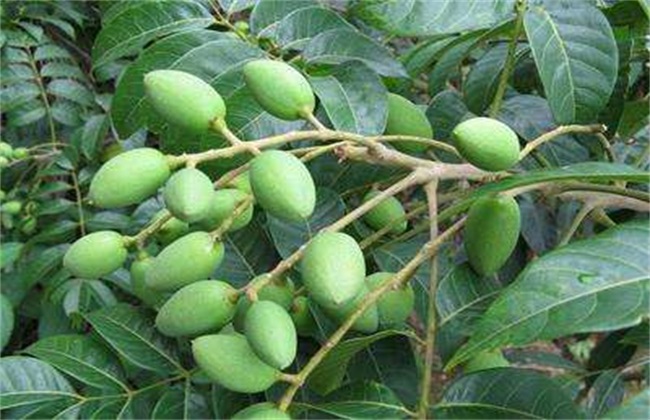
How to Propagate Olive Trees? A Detailed Guide to Common Propagation Methods
Olive Propagation Methods
条件筛选