-
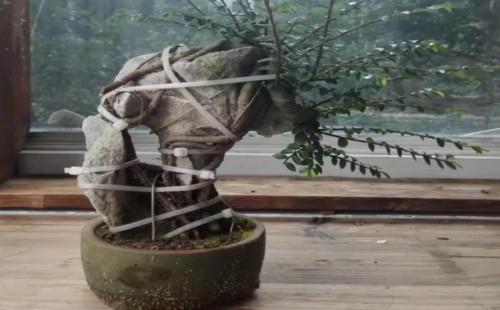
How to Attach an Elm to a Rock? Detailed Guide to Making a Root-over-Rock Bonsai
During the growing season of an elm bonsai, many new shoots tend to emerge, and even quite a few leggy shoots appear, so we need to prune in good time to prevent the new growth from ruining the bonsai's original attractive shape. But it often takes about 5 years to go from a young elm to a formed bonsai tree
-

A Complete Guide to Root-Raising Methods and Techniques for Stump Bonsai
To enhance the artistic value and appreciation appeal of stump bonsai, the roots are generally given root-raising treatment, so that a portion of the powerfully and steadily shaped roots at the base is exposed on the surface of the pot, giving people an aesthetic mood of ancient ruggedness and majestic wonder. Root-raising methods usually include the deep-pot high-planting mounding method and the deep-pot flat-planting water-washing method
-
A Detailed Guide to Controlled Cultivation Techniques for Tree Bonsai: Master the Key Points to Grow Bonsai Well
Tree bonsai generally refers to those that use woody plants as the main material, processed through techniques such as wiring, pruning, grafting, and carving along with horticultural cultivation, to present the scenery of trees in nature within a pot. Many people treat bonsai as their own child. Raising a child requires nurturing and education to go hand in hand.
-
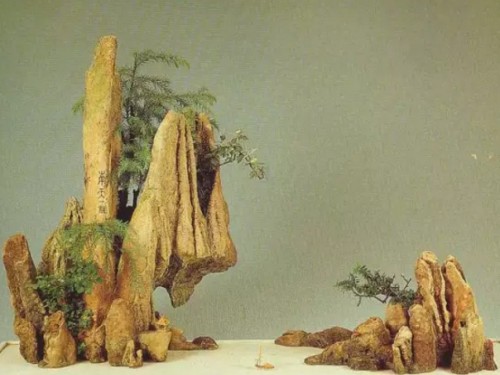
A Complete Guide to the Techniques of Making Water-absorbing Stone Bonsai
What is water-absorbing stone? Water-absorbing stone is also called absorbent stone (a natural air purifier). It gets this name because once water is stored in the basin, it can be drawn up to the top in an instant. Wild grasses and mosses can be planted on the stone, lush and verdant, making it an excellent material for bonsai. Probably only gardening experts know what water-absorbing stone is.
-
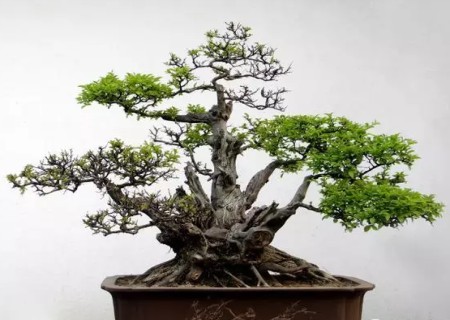
How do you seal the cuts on tree bonsai stumps? A detailed guide to practical techniques
After a new tree stump has been trimmed and shaped, it has quite a few wounds from knives, saws, and chisels. These wounds are easily invaded by bacteria, which at worst damage only a local area but at worst affect the whole plant, so sealing the wounds is necessary. The simplest method is to smear the wounds with beeswax, paraffin wax, or white glue, or to wrap the wounds with strips of cloth. What to note is
-
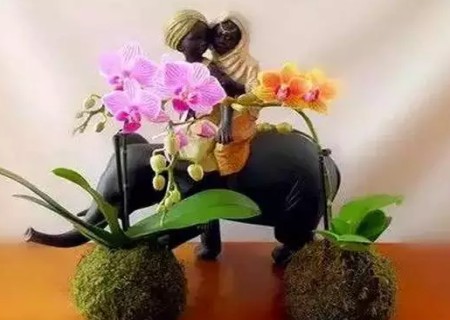
How to Make a Hanging Bonsai? A Detailed DIY Guide
Bonsai gives people the artistic feeling that a single peak evokes the vastness of Mount Hua, and a single spoonful evokes rivers and lakes stretching ten thousand li, stirring the emotions of poets. For example, the poetic lines "Ranges of mountains stretch for tens of thousands of li, all within a small pot" and "The pond's light and the sky's reflection share the same blue-green, and just a few bottles of water are added when the waves lap the shore" are the poet's heartfelt praise of the art of bonsai. Now, more and more people have a love for plants
-
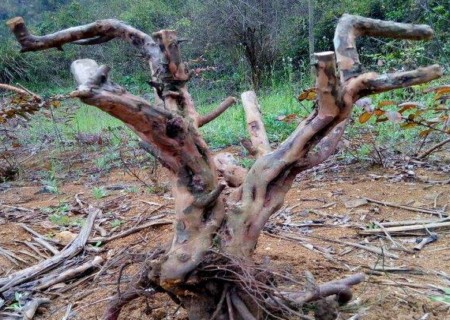
A Detailed Guide to the Cultivation and Care of Wild-Dug Sageretia Stumps
Sageretia (Sageretia thea) belongs to the buckthorn family (Rhamnaceae). Its roots and trunk are naturally striking, and its tree form is rugged and elegantly ancient. It is one of the main species for Chinese stump bonsai, one of the five famous trees of Lingnan bonsai, and one of the bonsai plants exported to the United States after China's entry into the WTO. The fruit of sageretia is edible, with a sweet-and-sour taste, hence the name "sour plum fruit"; the young leaves can be used as a substitute for tea.
-
How to Grow a Chinese Arborvitae Bonsai? A Detailed Guide to Planting Methods
There are many ways to enjoy Chinese arborvitae (Platycladus orientalis); some enjoy its unique fragrance, some enjoy its ethereal, immortal-bone demeanor, some enjoy its millennium-aged small decorative pieces, and others enjoy its culturally evocative carvings, while bonsai cultivation is the highest level of enjoying Chinese arborvitae. A tree form where withering and flourishing complement each other, life and death coexist, and twists and turns transform
-
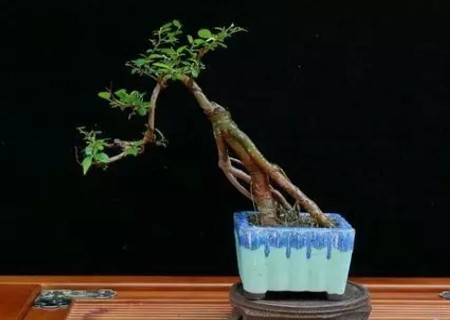
How to make a miniature bonsai? A step-by-step guide to the production method
Miniature bonsai are mainly composed of flowers and grasses, accented with small items such as rocks. They mostly use stonecrop, asparagus fern, saxifrage, spider plant, orchids, Japanese cleyera, narcissus, chrysanthemums, banana plants, reeds and other casual flowers and wild grasses. Miniature bonsai emphasize a small form and an exquisite, unique shape, with even more attention to the connotation of overall artistic beauty
-
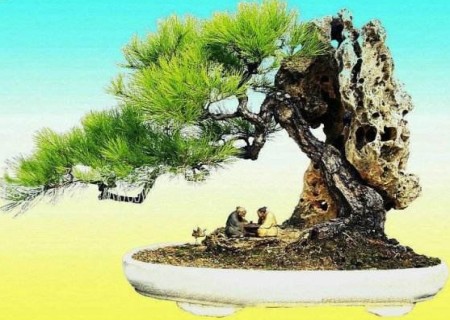
How to make a root-on-rock bonsai? Detailed step-by-step illustrated guide to the whole process
Generally, stump bonsai are made by planting the tree stump directly in the potting soil, which makes them relatively easy to create and care for. But if the stump looks as if it grew on and from the rock, that is a distinctive root-on-rock style stump bonsai. There are many kinds of ornamental stones, but hard, non-absorbent mountain rocks are generally not used, because otherwise they are not only difficult to work
条件筛选