-
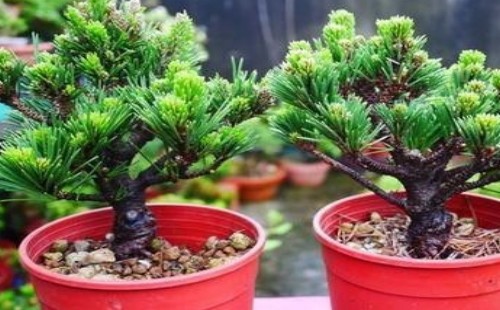
How to grow a Chijumaru bonsai? A detailed guide to care methods
Chijumaru black pine is a variant of Kotobuki pine; its needles are somewhat shorter than those of Kotobuki pine, yet its shade tolerance and sprouting ability are stronger. It usually looks best when the needles are kept within 25 mm in length, making it very suitable for creating superior bonsai for viewing, with extremely high artistic value. So how do you care for a Chijumaru bonsai
-
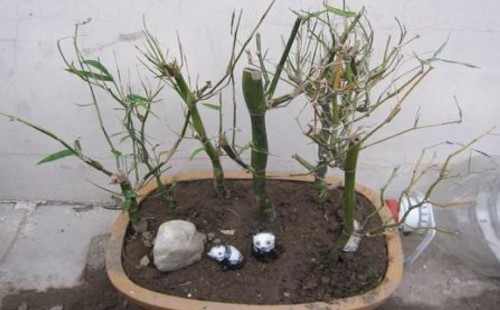
What to Do When the Leaves and Branches of a Potted Buddha Belly Bamboo Turn Yellow and Withered? A Full Guide to Prevention and Treatment
In the previous article, we introduced how improper care and management can easily cause the leaves and branches of potted Buddha Belly Bamboo (Bambusa ventricosa) to turn yellow and withered. To prevent this yellowing and withering of the leaves and branches, today we'd like to share the relevant prevention and treatment measures. So, how do you prevent and treat yellowing and withered leaves and branches in potted Buddha Belly Bamboo?
-
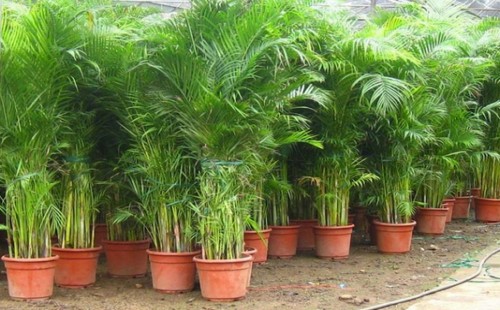
Detailed Guide to Growing Potted Bamboo Palm (Bambusa multiplex)
Bamboo palm (Bambusa multiplex) is mostly found in southern China, so it also prefers a warm and humid growing environment. It not only loves light but is also shade-tolerant, though it is not cold-tolerant. This matches the climate of the south quite well, so it is quite suitable for pot cultivation in southern China. However, its soil requirements remain fertile, loose, well-aerated and highly permeable.
-
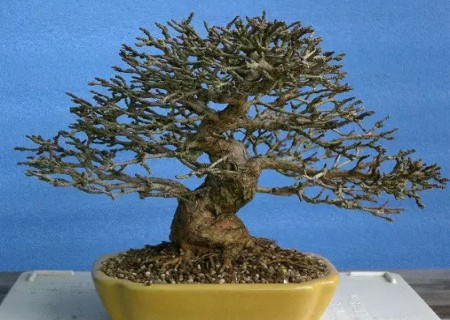
Illustrated guide to bonsai repotting methods, easy to learn with detailed steps
Everyone knows that the growing space for bonsai plants in a pot is limited after all. If they are not repotted for a long time, it may cause many growth problems, such as roots being unable to continue extending and showing signs of aging, the potting soil being unable to provide more nutrients, and pests and diseases invading the soil. Therefore, we need to repot them at the right time.
-
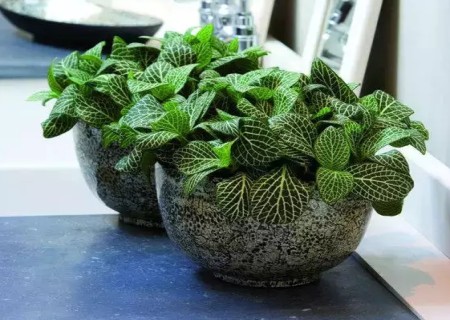
How to grow Fittonia? A detailed guide to cultivation and care methods
In many European and American countries, Fittonia is very popular as a household potted plant, one might say it has become quite the fashion. But as more and more people have embraced it, quite a few friends in China have also started growing potted Fittonia. With its small and delicate form, light and graceful habit, and clearly defined leaf veins, it is highly ornamental
-
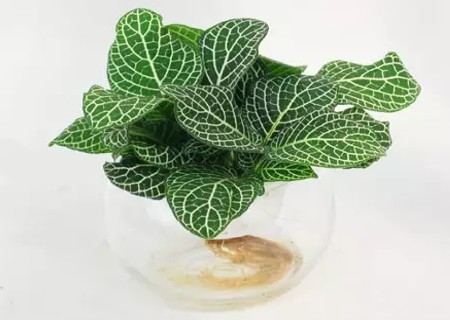
Can Fittonia Be Grown in Water? A Detailed Guide to Fittonia Hydroponics
Fittonia, just as its name suggests, is a plant whose green leaves are marked with regular white net-like veins, and the green and white set each other off, clearly visible and very beautiful, so many plant lovers like to grow it in pots at home to accent their home environment, and some even shape it into a bonsai for viewing
-
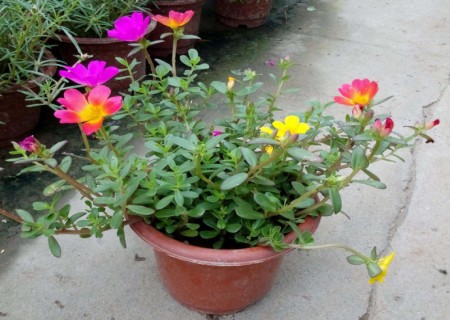
How to grow potted moss rose? Detailed guide to growing methods
Although the flowers of the moss rose are not particularly large, their colors are extremely rich, ranging from deep to light, with every shade available. When clusters of moss rose bloom in a riot of colorful flowers, they form a vivid, multicolored picture. If you plant them in pots, they will look even neater and more beautiful. So
-
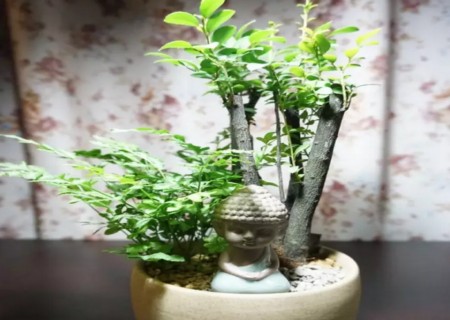
How to Grow a Small-Leaf Red Sandalwood Bonsai? A Detailed Guide to Care Methods
Small-leaf red sandalwood, recognized in the botanical world as a type of sandalwood rosewood, is a greening tree species very suitable for planting in courtyards, and its old stumps are also very suitable for making into bonsai. Small-leaf red sandalwood not only has extremely high ornamental value, but also possesses the effect of refreshing the mind and calming the nerves
-
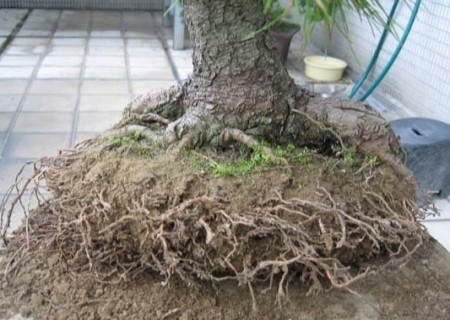
How to repot a pine bonsai? Detailed guide to the correct method
If a pine has been growing in a pot for too long, its root system becomes tangled and crisscrossed, and the potting soil easily breaks down into powder, seriously hindering aeration and drainage while also reducing water retention. In this case, we need to consider repotting the bonsai. Pines can be repotted in spring and autumn.
-
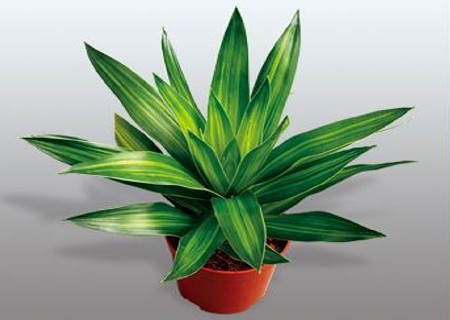
How to grow a Dracaena reflexa in a pot? A detailed guide to cultivation methods
The leaves of Dracaena reflexa are bright green, and most leaves have a golden stripe running down the middle. As long as it is well cared for, it will also bloom. The flowers that Dracaena reflexa produces are relatively small, but the inflorescence is rather long. Keeping a potted Dracaena reflexa at home often symbolizes wealth and good fortune.
条件筛选