-
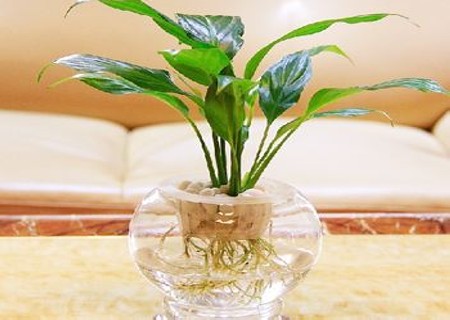
How to grow a Peace Lily in water? A detailed guide to hydroponic cultivation
The Peace Lily (Spathiphyllum) has beautiful flowers and foliage, is light and graceful, grows vigorously, and symbolizes good fortune, making it highly favored by people. Hydroponically grown plants are suitable for placement in sunlit offices, living rooms, and studies, as well as in fresh and elegant settings. Adorning a living room or study with them is very comfortable and unique
-
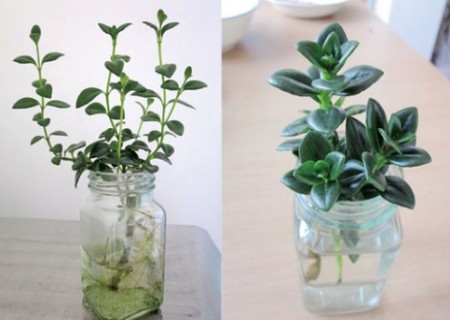
How to grow goldfish plant in water? Detailed guide to the correct method
Water-cultured spider plant is currently one of the most popular indoor foliage plants; placing a small seedling in a clean glass jar can maintain its ornamental value for two to three years. Do you really like the goldfish plant? Even when it is not blooming, you still love its green leaves, right? Recently, flower enthusiasts have been very curious about whether the goldfish plant can be grown in water
-
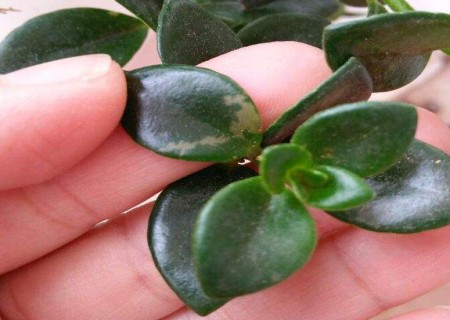
How to Grow a Goldfish Plant? Detailed Guide to Care Methods and Precautions
The goldfish plant has bloomed, and each little fish mouth is so adorable. Some plant lovers might ask, when will mine bloom? That's not certain. In theory, it can bloom in any season except summer, so don't worry. Once this hot weather passes, it can bloom at any time. All we need to do is let it grow strong and sturdy.
-
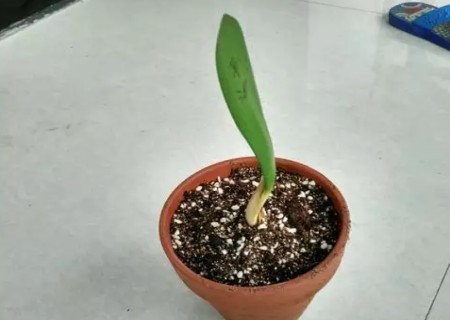
Illustrated Guide to Propagating Clivia by Dividing Offsets, Easy for Beginners to Learn
Once a clivia (Clivia miniata) reaches maturity, it can produce new offsets. These offsets are twisted off and grown into new plants; this is called asexual propagation of clivia. According to where they emerge, the offsets can be classified as stem-side offsets, stem-base offsets and leaf-gap offsets, all of which grow from the stem. When an offset has grown to 6 leaves, stem-base offsets and stem-side offsets can be divided off.
-

How to grow a potted four-season osmanthus? A detailed guide to cultivation methods
Four-season osmanthus is a precious flower in China. It not only has a wide range of admirers but also holds high economic value, and it is deeply loved by people. Its flowers are beautiful and its fragrance is pleasant. It is often planted as a landscape tree and has high ornamental value. Friends who like osmanthus can also keep an osmanthus tree as a potted plant in the living room.
-
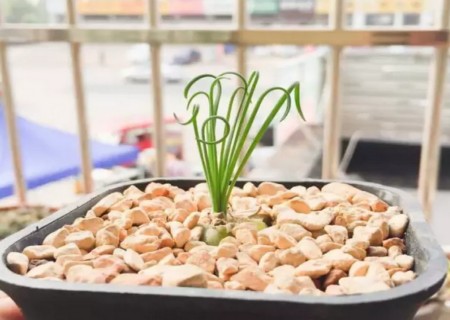
How to grow potted spring grass? Detailed care guide
Today we are talking about spring grass, an unusual succulent that looks like a spring and a weed, so it truly lives up to its name. Its leaves spiral upward like a coil. It is a recently emerging small miniature potted plant with a distinctive fresh look, and when it blooms it is very elegant and understated. Placed on a balcony or windowsill, it looks quite nice.
-
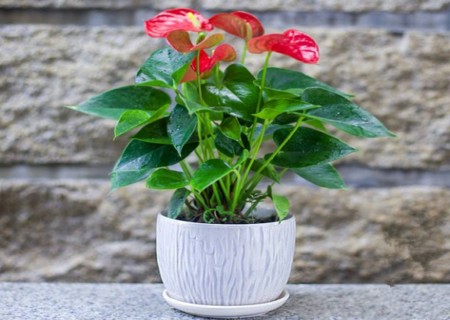
How to care for potted Anthurium? Detailed guide to growing methods and precautions
Anthurium, also known as flamingo flower, tailflower, and candlestick flower, is a perennial evergreen herbaceous flowering plant in the Araceae family, native to Central and South America. Its flower stems are relatively short, making it unsuitable for cut flowers, so it is mainly grown in small to medium pots
-
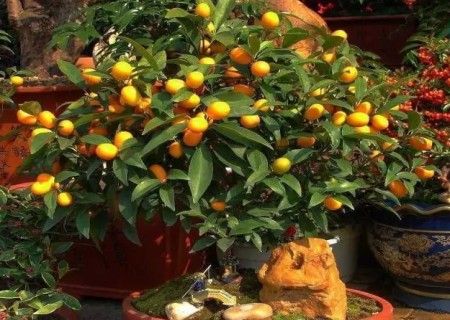
A Detailed Guide to the Correct Method of Repotting and Changing Soil for Fruit Tree Bonsai
To ensure fruit trees retain high ornamental value every year, the repotting frequency and timing must be chosen sensibly. If the repotting frequency is too high, the branches will grow vigorously, resulting in fewer fruits forming that year; if the repotting frequency is too low, the nutrients in the potting soil will be exhausted
-

How to add roots to a maple bonsai? Full process illustrated step-by-step guide
The roots of a plant are the main source of artistic beauty in stump bonsai. One-sided roots (roots of a potted plant developing toward one side) when the plant is young will become more obvious as time goes on, and during cultivation the exposed roots will inevitably be damaged for various reasons, until the ornamental effect of the bonsai is affected
-
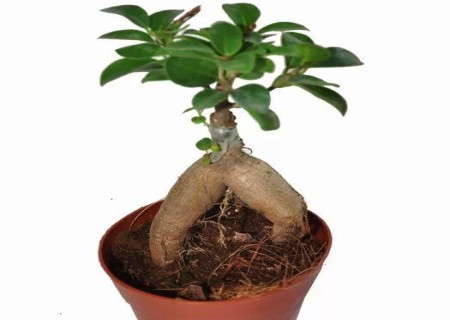
How to care for a ginseng ficus bonsai? A complete guide to care techniques
The ginseng ficus looks like a ginseng root, but of course it cannot be eaten like ginseng. Because the ginseng ficus resembles ginseng, which symbolizes longevity, it has become very popular in recent years. When cultivating a ginseng ficus, if you can choose an antique, charmingly rustic pot, it will certainly add even more to the ginseng ficus's elegant appeal. The ginseng ficus is just like the banyan tree
条件筛选