-
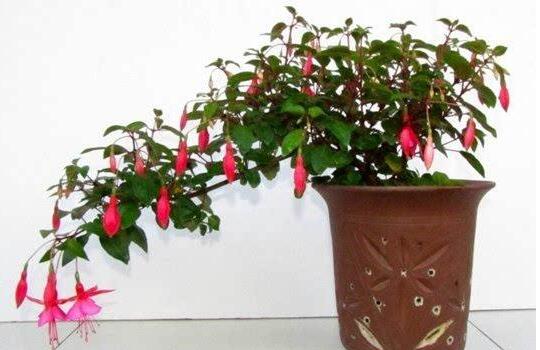
How to prune and pinch back fuchsia? With diagrams and timing tips
Fuchsia is known for its emerald green leaves and varied flower colors. To grow robust plants that bloom abundantly, mastering fuchsia care methods is essential, and one of the key steps is pruning, such as pinching back and thinning, which can control plant growth and the amount of blooming
-
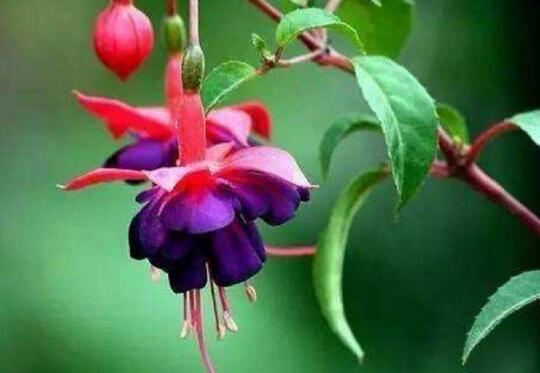
What to Do When Fuchsia Leaves Wilt? Four Tricks to Bring Them Back to Life
Under ideal conditions, the leaves of fuchsia should be green all year round, but due to changes in the environment and differences in growing methods, some flower lovers encounter wilting leaves, which not only prevents it from blooming but also signals poor growth
-
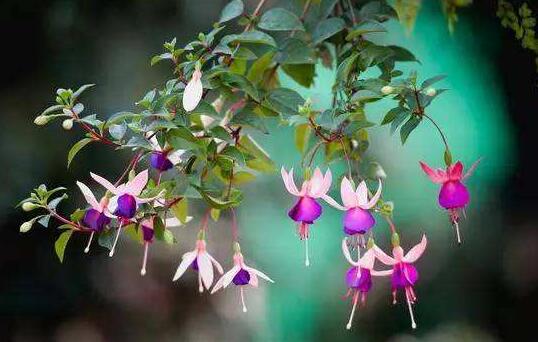
Fuchsia watering and fertilizing methods: water when dry, stop fertilizing in summer
Fuchsia blooms very profusely, and if watering and fertilizing are not done properly after each bloom, it will not bloom again the next time. If it is not watered or fertilized for a long time, the leaves will turn yellow and the plant will die. So how do you water and fertilize fuchsia? Let me tell you the specific method.
-
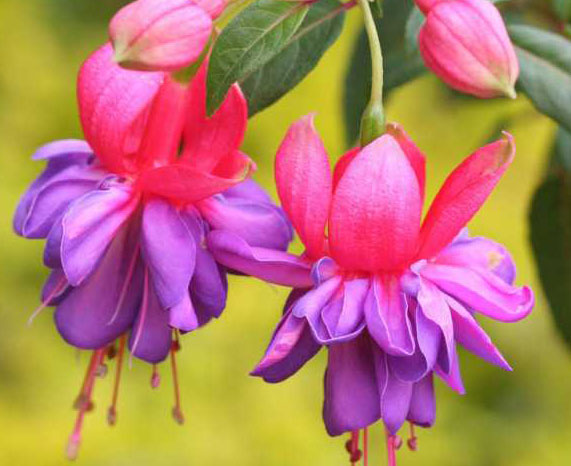
How should I prevent and treat pests on fuchsia?
The main pest affecting fuchsia is the red spider mite. The best prevention and treatment method is to place the plant in a well-ventilated spot and spray-wash the entire plant with a strong jet of water, especially the undersides of the leaves. This is caused by dry indoor air; the eggs hatch into adults in a suitable environment and directly harm the plant, but mites are all afraid of moisture.
-
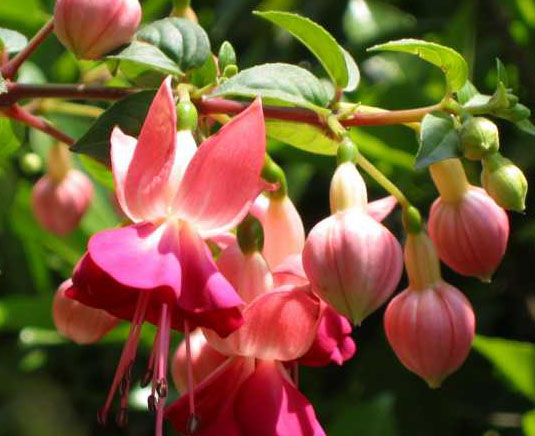
Symptoms and Control Methods of Gray Mold in Fuchsia
Symptoms and pathological changes: Gray mold is also called leaf mold. It mainly harms the leaves. The general onset period of the disease is from late April to early May, and the peak period is in early and mid-August. In July and August there is abundant rainfall and high humidity, which favors the spread of the disease. Courtyards with overly dense planting and poor cultivation management have more severe outbreaks. Generally, after suffering frost damage
-

What is the disease pattern of root rot in fuchsia?
Root rot is a physiological disease of fuchsia. Fuchsia likes a cool, moist, semi-shaded, well-ventilated environment, is not tolerant of hot, high temperatures, and dislikes extreme summer heat and stuffiness. The optimal growth temperature is 15 to 25 degrees, and when the temperature exceeds 30 degrees it enters a semi-dormant state. In cultivation, improper water and fertilizer management
-
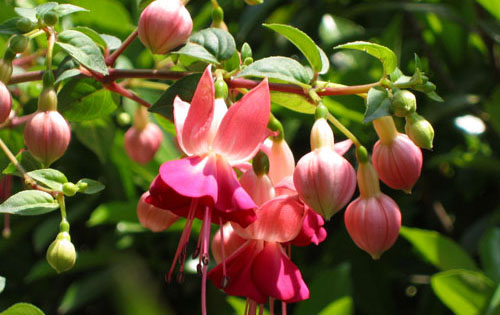
How to Effectively Prevent and Control Root Rot in Fuchsia
1. Cultivate fuchsia in fresh soil with good drainage; soil carrying pathogens should be sterilized with steam or treated with Dexon. 2. Water scientifically. Light, frequent watering is preferable; avoid heavy flooding. If the potting soil stays wet for a long time, the roots suffocate and rot easily. 3. Promptly clear away diseased and dead plant debris, pull out severely affected plants, and burn them thoroughly.
-
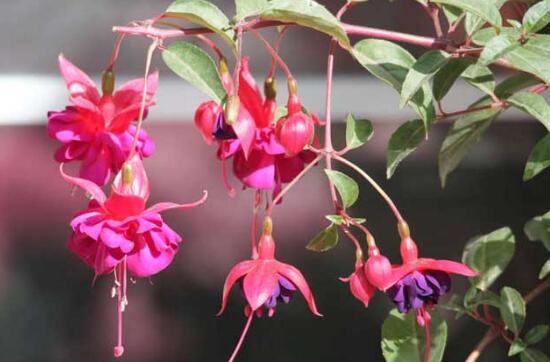
What to do when the leaves of the fuchsia turn yellow? Get the light, water, fertilizer and repotting timing right
As for the fuchsia, everyone should have seen it; its flowers are shaped like lanterns, and also like upside-down bells, so it is also called the "upside-down golden bell." Although the beauty of the fuchsia lies mainly in its flowers, when its leaves turn yellow and develop problems, it also affects its looks. So, what should you do when the leaves of the fuchsia turn yellow and soft? On this
-
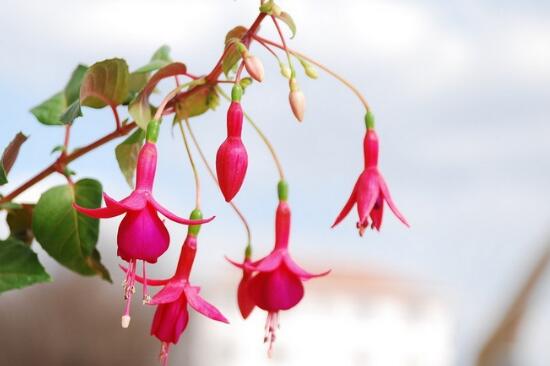
How to grow fuchsia? Cultivation methods and summer semi-shade care tips
Fuchsia, as its name suggests, is a flower that looks like a lantern. It looks delicate and beautiful, and comes in rich colors. Seen from afar, it is truly gorgeous! In daily life, many flower lovers choose to grow a pot of fuchsia. So how do you grow fuchsia? Below are the fuchsia cultivation methods and care tips carefully compiled by the editor.
-
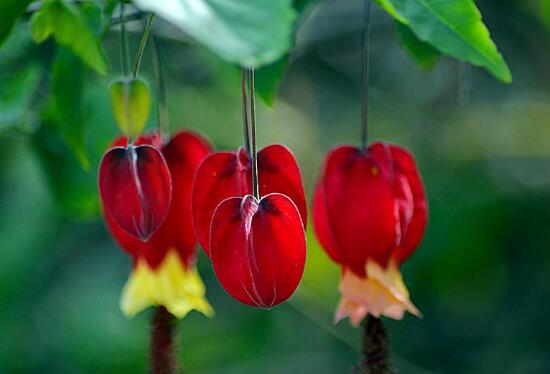
Fertilizing methods for the fuchsia: increase fertilizer during the flowering period, stop fertilizing in winter
The fuchsia (Fuchsia) is a very beautiful flowering plant, with lantern-shaped blooms in bright, captivating colors that are deeply loved by flower enthusiasts. However, when growing it indoors, if you want the fuchsia to bloom continuously, fertilizing is essential - after all, "a crop's flower depends entirely on fertilizer." So how do you fertilize a fuchsia?
条件筛选