How to Effectively Prevent and Control Root Rot in Fuchsia
1. Cultivate fuchsia in fresh soil with good drainage; soil carrying pathogens should be sterilized with steam or treated with Dexon.
2. Water scientifically. Light, frequent watering is preferable; avoid heavy flooding. If the potting soil stays wet for a long time, the roots suffocate and rot easily.
3. Promptly clear away diseased and dead plant debris, pull out severely affected plants, and burn them thoroughly.
4. Chemical control
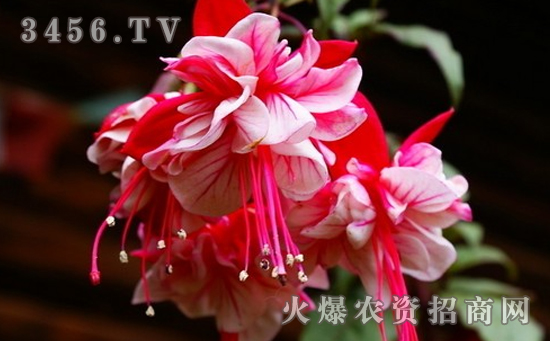
What to Do When Fuchsia Roots Rot
Root rot in fuchsia is a physiological disease. Fuchsia prefers a cool, moist, semi-shaded environment with good ventilation; it cannot tolerate hot, high temperatures and dislikes sweltering heat. The optimum growing temperature is 15 to 25 degrees; when the temperature exceeds 30 degrees, it enters a semi-dormant state.
During fuchsia care, improper water and fertilizer management can very easily cause root rot. Watering too much after summer begins, especially in the height of summer when temperatures exceed 30 degrees, is problematic: at this time fuchsia is dormant or semi-dormant, its metabolic activity is weak, and it needs very little water and fertilizer.
If fuchsia is watered too much at this time, the water fills the soil pores and causes oxygen deficiency, very easily leading to root rot; at the same time, if fertilizing continues, the roots also very easily turn black and rot.
How to Prevent and Control Root Rot in Fuchsia
1. Cultivate fuchsia in fresh soil with good drainage; soil carrying pathogens should be sterilized with steam or treated with Dexon.
2. Fuchsia needs scientific watering. Light, frequent watering is preferable; avoid heavy flooding. If the potting soil stays wet for a long time, the roots suffocate and rot easily.
3. Fuchsia requires prompt removal of diseased and dead plant debris; pull out severely affected plants and burn them thoroughly.
4. Severe root rot in fuchsia requires chemical control
The above is a detailed introduction to what to do when fuchsia roots rot and how to prevent and control root rot in fuchsia. Several points must be noted in fuchsia cultivation: first, fuchsia needs to grow in a cool, moist environment; second, fuchsia must not be exposed to blazing sun or frost; third, the soil for cultivating fuchsia should be relatively fertile and well drained.
How to Prevent and Control Root Rot in Fuchsia
Fuchsia, also known as lantern flower, lantern begonia, hanging-bell begonia, and hanging-bell flower, is a common ornamental flower. When training a small tree-form fuchsia standard, you can select a strong-stemmed upright variety, remove the side buds, and train a straight trunk. After choosing the desired height, pinch the tip so that it forms a crown made of 3-5 branches; you can also graft flat, trailing varieties onto these 3-5 side branches to create a graceful, umbrella-shaped crown.
How to Prevent and Control Root Rot in Fuchsia
1. Cultivate fuchsia in fresh soil with good drainage; soil carrying pathogens should be sterilized with steam or treated with Dexon.
2. Water scientifically. Light, frequent watering is preferable; avoid heavy flooding. If the potting soil stays wet for a long time, the roots suffocate and rot easily.
3. Promptly clear away diseased and dead plant debris, pull out severely affected plants, and burn them thoroughly.
4. Chemical control