-
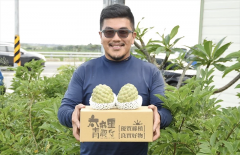
Taitung Organic Sugar Apple Marketing Success: Young Farmer Li Chun-yi's Eco-Friendly Grass Cultivation
Providence University alumnus Li Chun-yi once worked as a part-time worker and supervisor at a concert organizing company, then returned to his hometown in Taitung to grow sugar apples, transforming from an urban youth into a rural farmer, overcoming skeptical looks from those around him to prove that the eco-friendly "grass cultivation" method is correct
-
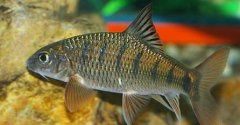
Latest Farming Techniques and Environmental Conditions for Freshwater Grouper
Freshwater grouper is rich in nutritional value and is a very special fish; it is not only economically valuable but also has ornamental value, and its farming scale is growing larger and larger, gradually becoming a new freshwater aquaculture species. Freshwater grouper is a tropical fish, generally growing in freshwater
-
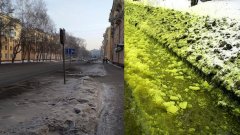
Green snow in Russia is a harm caused by environmental pollution
Have you ever seen green snow? Normally, the snow we see is white, but recently the Russian city of Pervouralsk has repeatedly seen green snowflakes, and this is caused by environmental pollution, which has deepened residents' concerns about pollution, poor waste management, and the possible effects of nearby factory activity
-
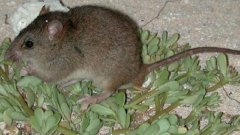
Climate-Driven Extinction of the Bramble Cay Melomys Highlights the Importance of Understanding the Environment
If we do not properly protect the environment, there will be fewer and fewer animals around the world, and the quality of the environment people live in will get worse and worse. The Australian government recently confirmed that the Bramble Cay melomys, which lived in the Great Barrier Reef area, is believed to have gone extinct between 2009 and 2014, becoming the world's first
-

Understanding food safety knowledge and recognizing the impact of the food environment on safety
As people's awareness of food safety gradually rises today, many choose to make food at home, and some even take their homemade food to market to sell. But it is difficult to judge food safety standards in a home environment. Therefore, the national laboratory
-
Ministry of Ecology and Environment: Green environment must be protected, the Green Environment Payment Program for Land is implemented
One year into the implementation of the Green Environment Payment Program for Land, farmers are encouraged to convert their original rice paddies to import-substitution crops, key export crops, priority development crops, etc., in order to reduce rice cultivation area. What do frontline personnel think? Implementation of the Green Environment Payment Program for Land
-
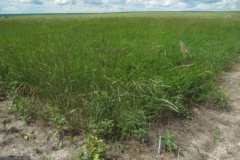
The Importance of Ecological Environmental Management and Protection as Seen from the Distribution of Weeds on Non-Cultivated Land
Weed Ecology and Distribution: Weeds can be seen everywhere, and there are also a great many weeds in the land we cultivate. So how should you go about managing weeds? Just buy herbicides? That is not ecological. If you want ecological and environmentally friendly methods, then you had best understand their ecology and distribution.
-
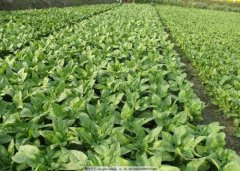
How to Cultivate Lettuce: A Detailed Guide to Cultivation Time and Environmental Requirements
Leaf Lettuce Cultivation and Management Lettuce is a very popular vegetable, and the forms and colors of cultivated varieties are quite diverse. Common cultivated varieties are divided by form into leaf, plucking, upright, curly-leaf, heading and stem types. Leaf, upright and curly-leaf lettuces are also called non-heading lettuce.
-
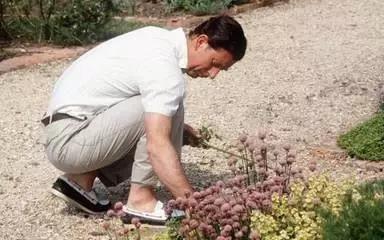
Prince Charles's business venture failed, the UK's entrepreneurial environment is just too poor
A very, very long time ago, roughly thirty years before the Celestial Empire proposed mass entrepreneurship and innovation for all, Prince Charles started a business. He put together an ecological agriculture project. In 1986, Prince Charles bought a stretch of land that was devastated, with broken walls and ruined buildings, where all one could see was an abandoned church, an empty
-

Overseas Experience in Environment-conserving Agriculture Is Worth Learning From
After the end of World War II, along with Japan's rapid economic development and the extensive development of its land, and with the pursuit of high agricultural output and high productivity as the goal, Japan's rural resources and environment also became very severe. On June 10, 1992, the Japanese government, in the "New Directions for Food, Agri
条件筛选