Latest Farming Techniques and Environmental Conditions for Freshwater Grouper
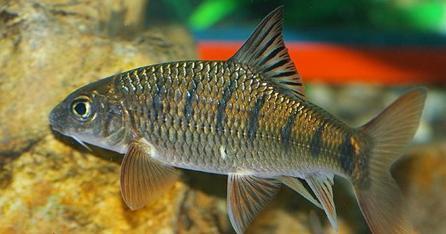
Freshwater grouper is rich in nutritional value and is a very special fish; it is not only economically valuable but also has ornamental value, and its farming scale is growing larger and larger, gradually becoming a new freshwater aquaculture species. Freshwater grouper is a tropical fish, generally growing in freshwater, and is a somewhat carnivorous fish; freshwater grouper can be grown in polyculture. Let's take a look below at how to raise it.
Farming Methods for Freshwater Grouper
1. Pond preparation: the bottom of the farming pond should be sandy, and the surrounding waters should be free of pollution; some pipes, tires or pebbles can be laid on the bottom, because freshwater grouper has the habit of burrowing into holes.
2. Fry stocking: for small-scale polyculture in a pond, stock about 22 to 50 fish per mu of water surface; when freshwater grouper is the main fish, tilapia, grass carp, crucian carp, etc. can be polycultured, with 150 to 200 freshwater grouper stocked per mu of water surface.
⟦NL> 3. Fry feeding training: when they reach more than 3 cm, minced fish can be placed on feeding trays for feeding training; after 2 to 3 days, add a small amount of artificial compound feed mixed with minced fish, then gradually increase the proportion of artificial compound feed until artificial compound feed is used entirely.
4. Feed feeding: the daily feeding amount is about 20% of the fish body weight, usually fed 3 times a day.
5. Feed selection: the protein content of artificial compound feed should be 35 to 40%, animal protein should be above 25%, and other plant protein ingredients can be added.