Climate-Driven Extinction of the Bramble Cay Melomys Highlights the Importance of Understanding the Environment
If we do not properly protect the environment, there will be fewer and fewer animals around the world, and the quality of the environment people live in will get worse and worse. The Australian government recently confirmed that the Bramble Cay melomys, which lived in the Great Barrier Reef area, is believed to have gone extinct between 2009 and 2014, becoming the world's first mammal to go extinct because of climate change. We should recognize the seriousness of environmental problems now.
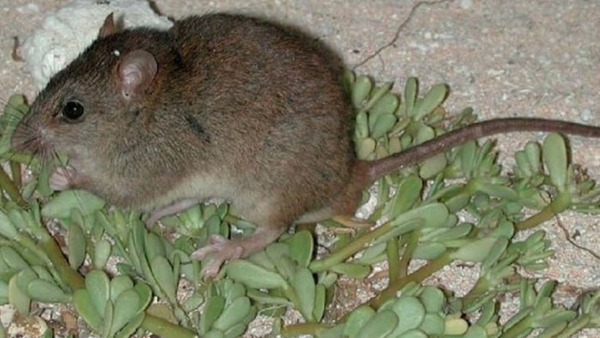
As early as 2016, the Queensland government cited research stating that the Bramble Cay melomys, which lived on a small sandy island in the Torres Strait in northern Australia, had gone extinct. It was last sighted in 2009, and a large-scale search in 2014 also came up empty. Although scientists said a similar species might be found in neighboring Papua New Guinea, this is not certain. Documents from the Australian government state that the extinction of the Bramble Cay melomys was almost certainly caused by rising sea levels over the past decades due to human activity, which reduced its habitat, and it is also the first time in history that a mammal has gone extinct because of climate change.
Some experts criticized that the Bramble Cay melomys had been endangered for decades, and there had originally been a chance to prevent its extinction, but the authorities did not take the problem seriously. It is said that although a rescue plan existed as early as 2008, it was said to have downplayed the crisis they faced. Experts said this was because the government did not invest enough resources in conservation and only focused on helping some better-known animals. The World Wide Fund for Nature had earlier warned that global warming will threaten three thousand endangered wild animal species worldwide.