-
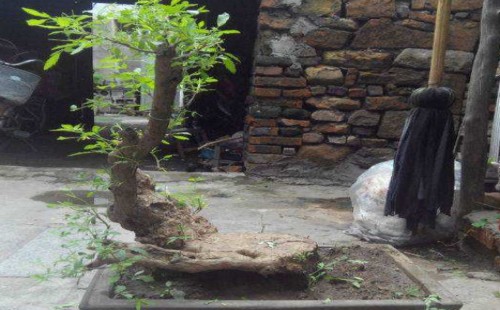
What kind of growing environment is suitable for a Vitex stump bonsai?
Vitex stumps are one of the finest materials for making bonsai. Old Vitex stumps generally have rough, coarse bark and a strong sense of weathering and age. In addition, their shapes are oddly fantastic, with trunks that are either naturally curved or slanting and gnarled, and with relatively short internodes. Made into bonsai for appreciation, they have very high ornamental value. So
-
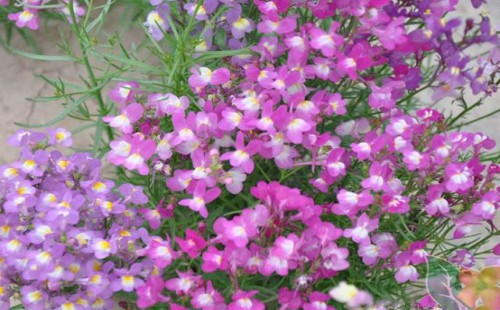
What flowers and plants are suitable for planting in a zero-degree environment
When the outside temperature drops to zero degrees, it means the temperature environment is already quite low. And in a zero-degree environment, although a small number of flowers and plants can survive, they either grow poorly due to frost damage, or they are plant varieties with strong cold resistance. But for most flowers and plants
-
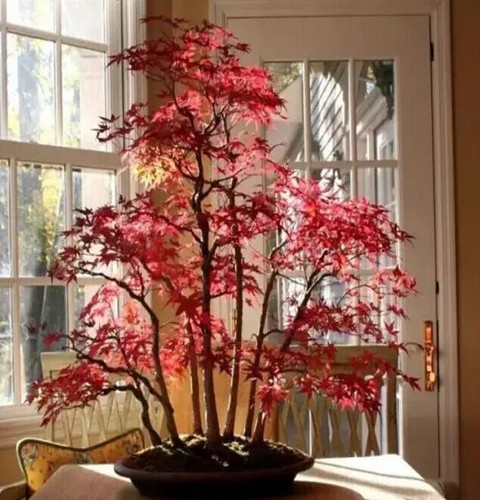
Bonsai is an essential wonder for beautifying the home environment
Placing bonsai indoors serves both cultivation and enjoyment. It is best to use a spray bottle to water them, or move them outdoors to water and then put them back, but indoor light and ventilation are poor, which is not good for plant growth, so they can be rotated periodically with outdoor bonsai. Using bonsai to accent the home takes it from mere greenery to true beautification
-
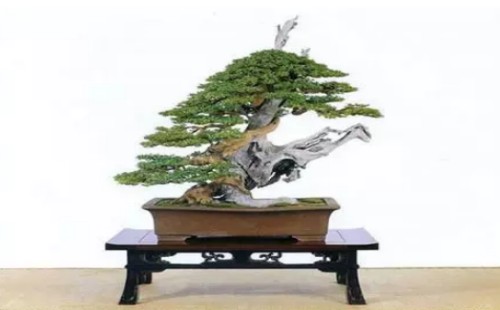
What are the requirements of a Sageretia bonsai for its growing environment?
Sageretia (Sageretia thea) has strong adaptability to the environment, with tenacious vitality and vigorous sprouting ability, and its tree form is endlessly varied. Precisely because of this, people often take advantage of this characteristic to make it into bonsai for appreciation. In fact, Sageretia is indeed an excellent material for bonsai, and it can be seen in many places.
-
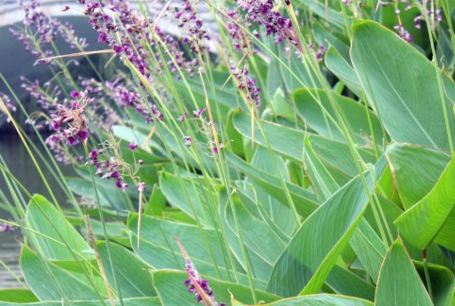
Where is Thalia geniculata originally from, what environment suits it, and how do you grow it in pots?
Thalia geniculata, also known as water bamboo taro and water lotus banana, is a perennial emergent herbaceous plant that produces purple flowers at the tips of its stems, resembling bait tied to a fishing rod, with a very distinctive shape. So, where is Thalia geniculata originally from? What environment suits its growth? How do you grow it in pots? Where is Thalia geniculata originally from?
-
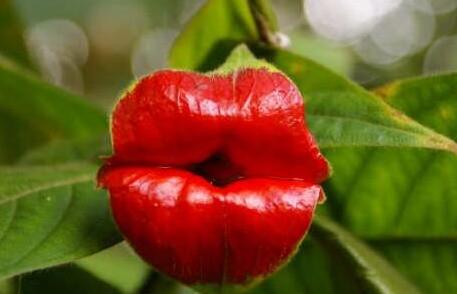
Is the Hooker's Lips flower poisonous? A detailed guide to its growing environment and cultivation methods
The Hooker's Lips flower, as its name suggests, is a flower named for its shape, which closely resembles seductive, alluring lips. This plant has a vivid red color and a peculiar shape, making people marvel at nature's uncanny workmanship. So, where does the Hooker's Lips flower grow? Is it poisonous? How is it cultivated? Where does the Hooker's Lips flower grow?
-
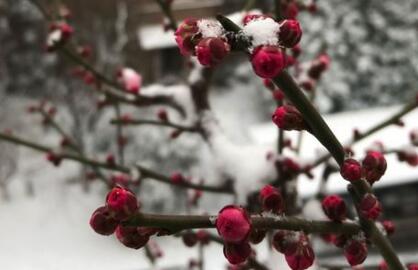
Growing Environment, Symbolism, Edible Flowers and Fruits, and Cuttings of the Rosaceae Plum Blossom
The plum blossom is the foremost of China's ten famous flowers, listed together with the orchid, bamboo, and chrysanthemum as the "Four Gentlemen," and together with pine and bamboo known as the "Three Friends of Winter." So, where does the Rosaceae plum blossom grow? What does it symbolize? Are its flowers and fruits edible? Can it be propagated by cuttings? Where does the Rosaceae plum blossom grow?
-
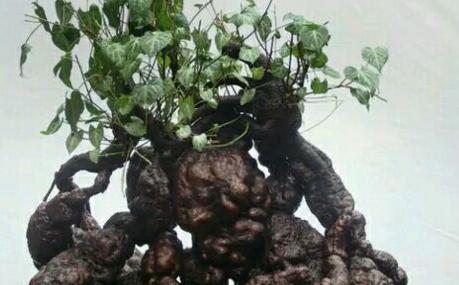
Growing environment, sowing time and planting methods for the climbing plant He Shou Wu (Fallopia multiflora)
He Shou Wu, also known as Polygonum multiflorum, purple vine, and Ye Jiao Teng, among other names. It can tonify essence and blood, darken beard and hair, strengthen sinews and bones, and tonify the liver and kidneys. It is a common precious and fine Chinese medicinal herb. So, where does the climbing plant He Shou Wu grow? When is it sown? How is it planted? Where does the climbing plant He Shou Wu grow?
-
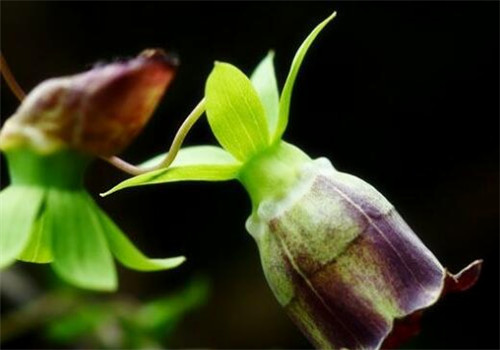
Growing Environment, Benefits and Planting Methods of the Climbing Vine Codonopsis lanceolata
Codonopsis lanceolata is a perennial twining vine, with a corolla that is blue-green or pale yellow and a conical capsule. So, where does the climbing vine Codonopsis lanceolata grow? What benefits and effects does it have? How is it planted? Where does the climbing vine Codonopsis lanceolata grow? Codonopsis lanceolata prefers a cool climate, and during the growing period, when it encounters high temperatures
-
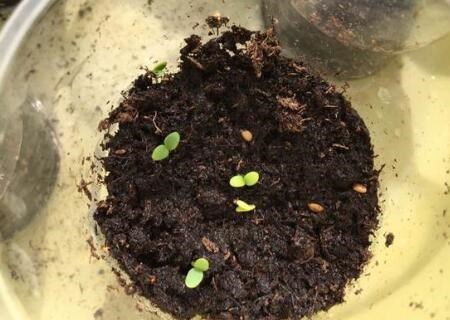
How to grow Iberis sempervirens seeds from the Brassicaceae family? A detailed guide to the environment and sowing time
Iberis sempervirens, a biennial herbaceous plant in the Brassicaceae family, has dense branches and leaves, a short plant habit, and densely clustered flowers. It is commonly cultivated in courtyards and gardens. So do you know what methods there are for growing Iberis sempervirens from seed? What kind of environment suits it? When should it be sown? According to information from the Institute of Botany, if your region
条件筛选