-
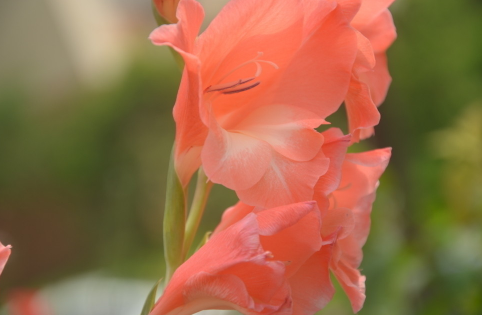
Detailed Guide to Common Gladiolus Disease Prevention and Control
Corm rot symptoms: Corm rot mainly affects the lower tissues of the plant. Dark brown lesions appear on infected corms, and infected leaves turn yellow and wither. Prevention and control methods: Before planting, select good corms, disinfect them with a 1000-fold potassium permanganate solution, and then plant them. Quicklime or formaldehyde can also be used to disinfect the soil.
-
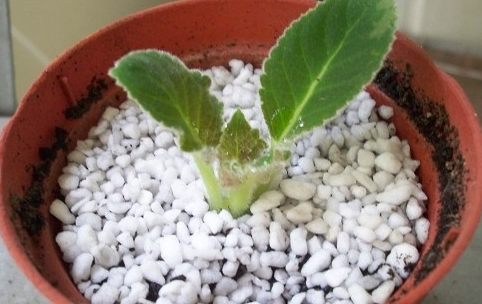
How to propagate Gloxinia? A detailed guide to common propagation methods
1. Seed propagation: To sow Gloxinia seeds, soak them for one day to encourage germination, then evenly scatter the seeds over the potting soil, moisten the pot with water, cover with glass, and place in an environment of 18-20°C; they will generally germinate after about ten days. 2. Division propagation: The corms need to be two to three years old
-
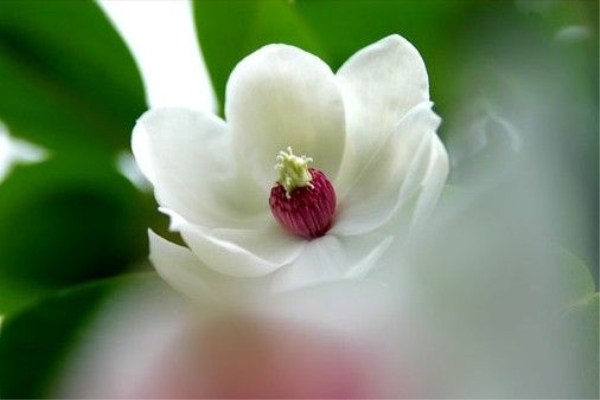
How to propagate Magnolia sieboldii? Introduction to common propagation methods
For propagation by cuttings, we should first prepare fertile soil rich in leaf litter humus. When taking cuttings, choose the young shoots produced by the Magnolia sieboldii, remove all the leaves at the lower end, and cut half off the upper leaves. Insert 4 to 5 cm into the soil, then water thoroughly and keep the soil moist
-
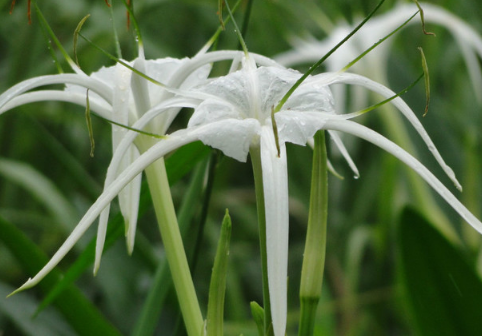
A Detailed Guide to Identifying and Controlling Common Diseases of the Spider Lily
Anthracnose symptoms: Anthracnose is a fungal disease that mainly affects the leaves of the plant and is highly detrimental to its growth. Control methods: Promptly prune and burn the diseased leaves. Before flowering in spring, spray a 600-fold dilution of 40% sulfur-carbendazim suspension. Keep the environment moist and avoid over-applying nitrogen fertilizer.
-
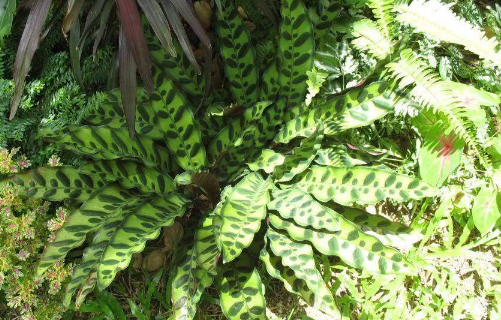
How to propagate Calathea oppenheimiana? A detailed guide to common propagation methods
1. Division. Division propagation has the highest survival rate among the propagation methods for Calathea oppenheimiana, and it is best carried out in spring when everything comes back to life and the weather is warm. Choose a sunny day with a temperature of 18-22°C. Select a robust stem and cut it off together with the root section of the stem and leaves.
-
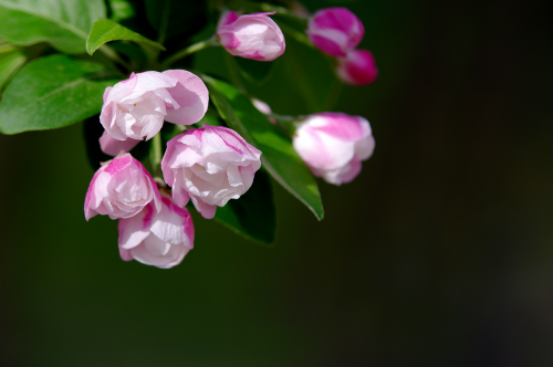
How to propagate Malus micromalus? Introduction to common propagation methods
1. Grafting: Malus micromalus grafting is divided into bud grafting and scion grafting, and the rootstock is mostly seedlings of the same genus. Bud grafting of Malus micromalus is best done in August, and scion grafting is best done in spring. 2. Division: Division of Malus micromalus is suitable in early spring in March, before buds sprout. Around an older Malus micromalus, small seedlings will sprout
-
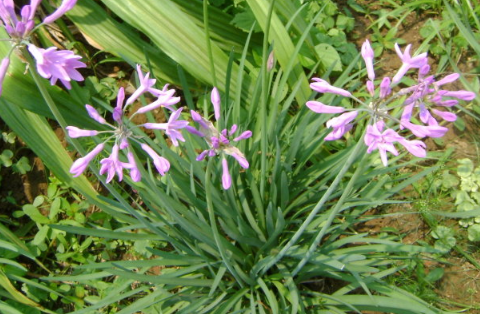
How to Propagate Society Garlic? Detailed Guide to Common Propagation Methods
Seed propagation: Society garlic seeds are collected in autumn and stored until sowing in spring. By autumn, small bulbs form and can be dug up and planted separately. However, seedlings grown from seed take many years to flower. Bulb propagation: usually small bulbs grow around the outer edge of the basal plate of the old bulb. These small bulbs can be separated in September-October.
-
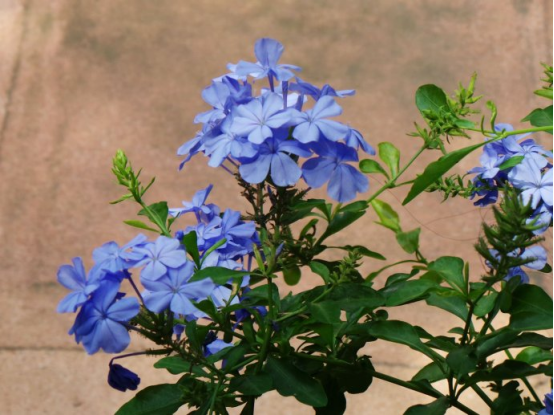
How to propagate Plumbago auriculata? A detailed guide to common propagation methods
1. Seed propagation. Advantages: Propagating Plumbago auriculata from seed is simple, and after successful sowing it can bloom the same year. Sowing conditions: When propagating Plumbago auriculata from seed, choose a suitable sowing container and suitable soil; the soil must be fresh, free of insect eggs, and well draining. You can use peat, vermiculite, or choose sandy soil
-
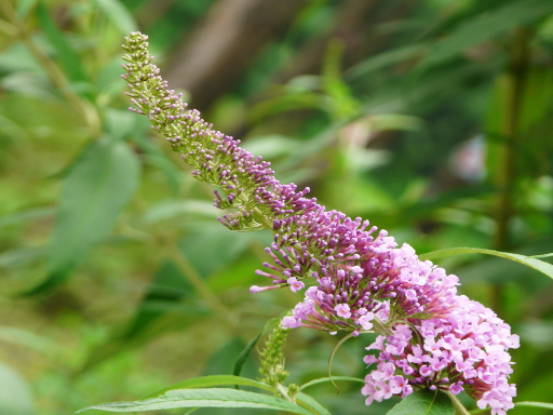
How to propagate Buddleja? Detailed introduction to common propagation methods
For Buddleja we usually choose three propagation methods: container seedling propagation, hardwood cutting propagation and softwood cutting propagation. 1. Container seedling raising: For container seedling raising, we usually choose to raise seedlings in spring. Mix peat, decomposed sheep manure and fine sand evenly in a 2:1:1 ratio, disinfect the mixture, then put it into plug trays or nutrition bags.
-

Control Methods for Common Diseases of Dahlia
Powdery mildew symptoms: Powdery mildew mainly attacks the leaves, flower stalks and flower buds of the plant. When the plant is affected, round white powdery patches appear on the plant, causing the leaves to twist and wither. Control methods: Powdery mildew mostly occurs in autumn. When the disease breaks out, a diluted solution of antimycin can be sprayed, which has a very good control effect.
条件筛选