-

A Complete Guide to Identifying and Controlling Common Potted Flower Pests
Common pests of potted flowers include aphids, spider mites, scale insects, whiteflies, thrips, and snails. This guide explains the key identification points and damage symptoms of each type of pest, and provides control methods such as chemical spraying, trapping, and manual capture, helping flower growers spot and treat pests early.
-
What animal is the "chong" in "wolf, chong, tiger, leopard"? Common knowledge about fierce beasts in old rural sayings
"Wolf, chong, tiger, leopard" was a general term in ancient times for fierce wild beasts. The "chong" here is not an insect, but refers to venomous snakes and pythons; in many dialects, snakes are simply called "changchong". This article explains clearly what animal each of the four characters refers to, and includes practical reminders for preventing animal and snake encounters when working in the fields in rural areas.
-
How to Build a Multi-Span Greenhouse: Common Material Types and Key Selection Points
Multi-span greenhouses are important equipment in protected agriculture. This article introduces the types and characteristics of commonly used greenhouse materials for multi-span greenhouses, covering key points for purchasing frames and covering materials as well as precautions for use, helping growers build greenhouses scientifically and improve planting returns.
-
Detailed Guide to Common Types of Multi-Span Greenhouse Covering Materials and Key Buying Points
How do you choose covering materials for a multi-span greenhouse? This article introduces the characteristics of common greenhouse materials such as film, PC sun panels and glass, the factors that affect greenhouse cost, and buying advice. Actual prices are subject to manufacturer quotations.
-
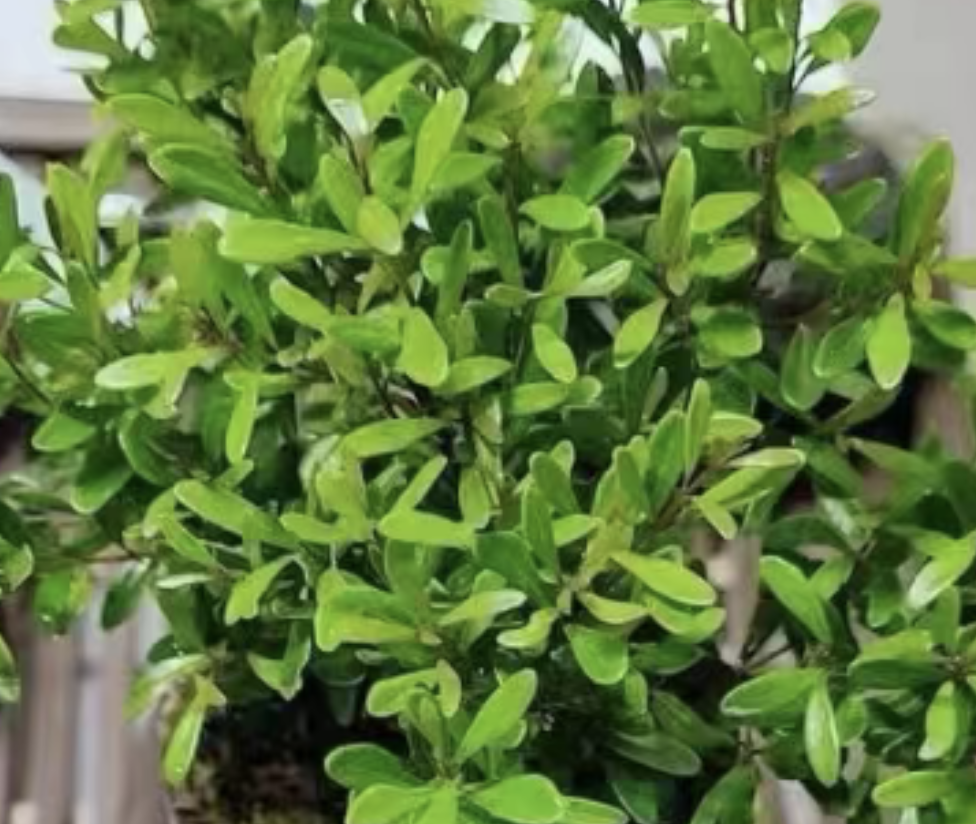
Having trouble with your small-leafed camphor tree (Cinnamomum camphora)? These 3 common diseases are most likely to show up
Is your small-leafed camphor tree looking a bit "droopy" lately? Maybe the leaves have spots, the branches are moldy, or the whole plant is wilting. Chances
-

What are the common diseases of small-leaved Syzygium buxifolium? These 3 need early detection and early treatment
Has your pot of small-leaved Syzygium buxifolium been looking a bit "droopy and listless" lately? Either the leaves develop spots, or the branches get moldy, or even the whole plant wilts. In fact, it is mostly down to common diseases. Today let's talk about the 3 diseases that small-leaved Syzygium buxifolium is most prone to, and how to identify and save them. The first and also the most common one is
-

Introduction to the characteristics of common jasmine varieties, which variety is easiest to grow?
I believe many people cannot forget the fragrance of jasmine; it is truly elegantly captivating, which is why many major perfume and essential oil brands use jasmine as a raw material. But did you know that jasmine actually has many varieties? Let's learn about them together below. Pen-tip jasmine: Pen-tip jasmine is named this way because its petals
-
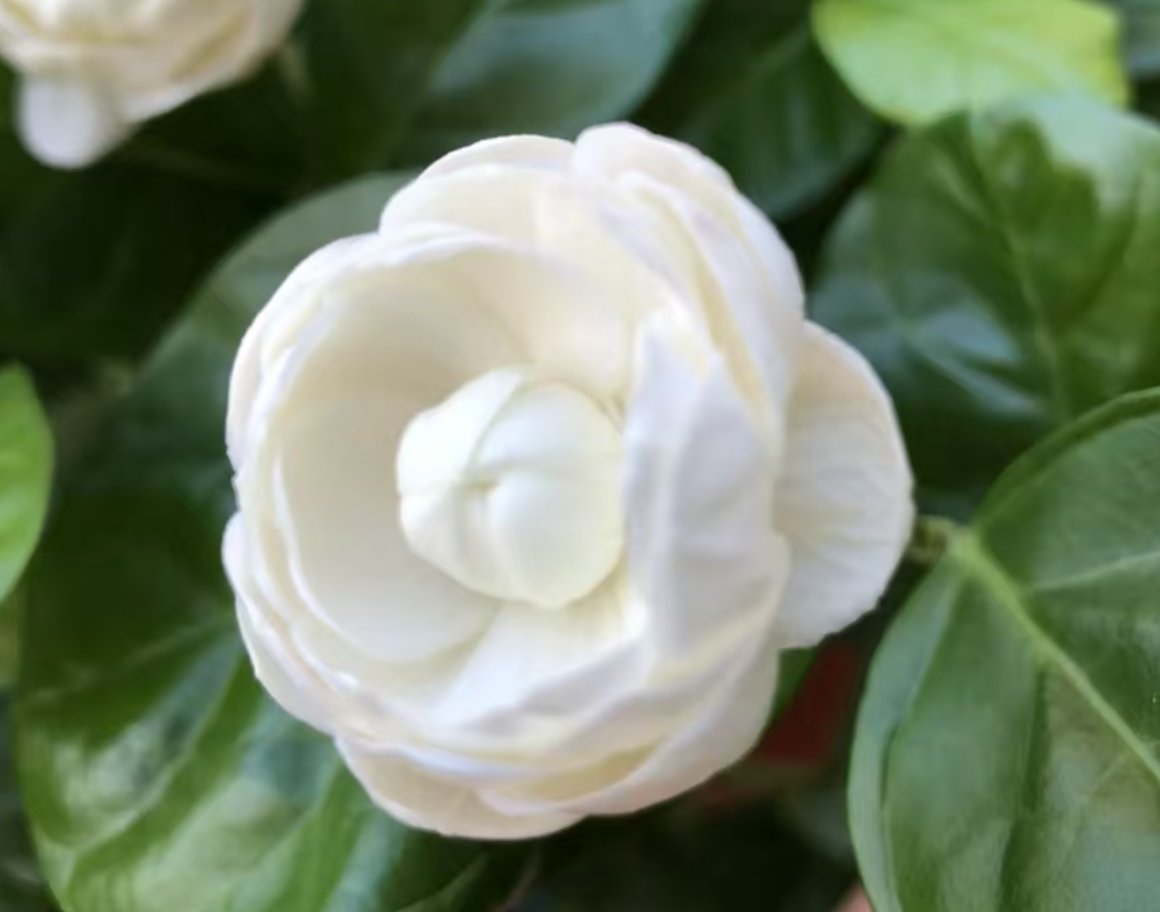
What are the characteristics of common jasmine varieties? Which jasmine variety is the easiest to care for?
Many people can’t forget the fragrance of jasmine — it’s so pure and elegant that it’s become a staple ingredient for many high-end perfumes and essential
-
Propagate These 4 Common Flowers from Cuttings in Autumn: Snip a Stem and Leaf, Stick It in Soil, and Easily Turn One Pot into Many
Autumn has suitable temperatures and just the right humidity, without the scorching sun of summer or the bitter cold of winter, making it practically the "golden season" for flower cuttings. For many easy-to-grow, hardy plants, no complicated steps are needed - just cut off a stem and leaf, stick it into the soil, and it will take root and grow into new life. The several common plants below are perfect for
-

Moving soil-grown plants to water culture is certain death? These common mistakes to avoid
Moving a carefully tended soil-grown plant into a glass bottle and watching its roots spread in clear water is a poetic thing in itself. But reality is often: yellowing leaves, rotting roots, and within a few days it droops. Actually, plants are not delicate - we just use the wrong way to "move house". Soil roots and water roots are not the same thing at all
条件筛选