-

How to Treat Pig Cold Diarrhea? Detailed Explanation of Treatment Methods
The root cause of the pig "cold diarrhea" disease has now been confirmed to be infection of pigs with transmissible gastroenteritis and epidemic diarrhea, and pigs are prone to this disease when the weather turns cold. Once a pig contracts this disease, in addition to severe diarrhea and death of pigs (the mortality rate of suckling pigs can reach as high as 100%), it also seriously affects pig growth and causes an increase in the culling rate of pigs. In order to effectively control the occurrence of this disease, the pathological characteristics and prevention and control measures of the disease are introduced as follows: Pathological characteristics Pig transmissible gastroenteritis and
-
Cattle farmers must guard against cold-induced dehydration in cattle in winter
Water can both cool them down and warm them up. 1) Cooling with water: For each adult cow, each time mix 0.3-0.6 kg of baijiu (Chinese liquor) or 0.2 kg of urea into 5 kg of cold water and let the cow drink it on its own. Alternatively, the day before feeding hay, soak the hay in cold water for 3-5 hours, then feed it to the cow. 2) Warming with water: In winter, when the weather is cold, for cows in weak body condition, heat clean water to 40°C and add 30-50 g of table salt or 100 g of soy sauce per kg of water and let them drink it. 2. Feeding nutritional tonics
-
Symptom Identification and Prevention Methods for Potato Cold Injury
During plant growth or during tuber storage, if the air temperature or soil temperature is too low (above freezing), the plant will suffer cold injury. The degree of cold injury varies with the temperature. 1. Leaf symptoms At the seedling stage, after the plant suffers freezing injury, the leaves quickly wilt and collapse. When the temperature becomes warmer, the affected parts become water-soaked and turn brown after dying. However, if the plant suffers only cold injury, the above symptoms will not appear. Cold injury occurs at the seedling stage in early spring. The symptoms appear at the top of the seedlings, showing light yellow to light brown at the base of the young leaves. When
-
Qing'an's 700,000 mu of rice adopts cold-region dry seedling cultivation and controlled irrigation technology for water saving and high yield
The controlled irrigation, water-saving and high-yield technology for cold-region dry seedling rice has been successfully tested in Qing'an. This year, 700,000 mu of rice in this county are using this technology. According to expert calculations, it saves about 450 cubic meters of water per mu, saves 11.2 yuan in pumping costs, and increases yield by an average of 22 kg per mu. In recent years, through the trinity approach of "engineering water saving, mechanism water saving, and technical water saving," Qing'an has reduced irrigation water per mu from nearly 1,000 cubic meters to 500 cubic meters. Over 10 years, it has expanded the paddy field area from 640,000 mu to 1.17 million mu, accounting for half of the cultivated land area. Last year
-
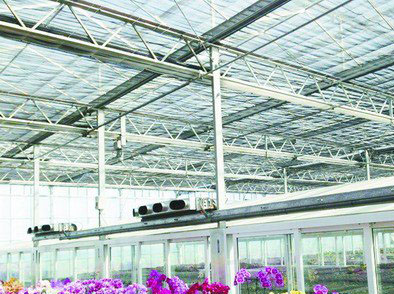
Detailed Explanation of the Design Method for Phalaenopsis Forcing Cold Rooms
Forcing Requirements The vegetative growth temperature for Phalaenopsis is usually 20°C to 30°C, while the temperature required for forcing varies by strain: for the first strain type, the reproductive growth temperature is the same as the vegetative growth temperature, with daytime temperatures maintained below 30°C and nighttime temperatures lower than daytime temperatures being sufficient to meet the forcing requirements
-
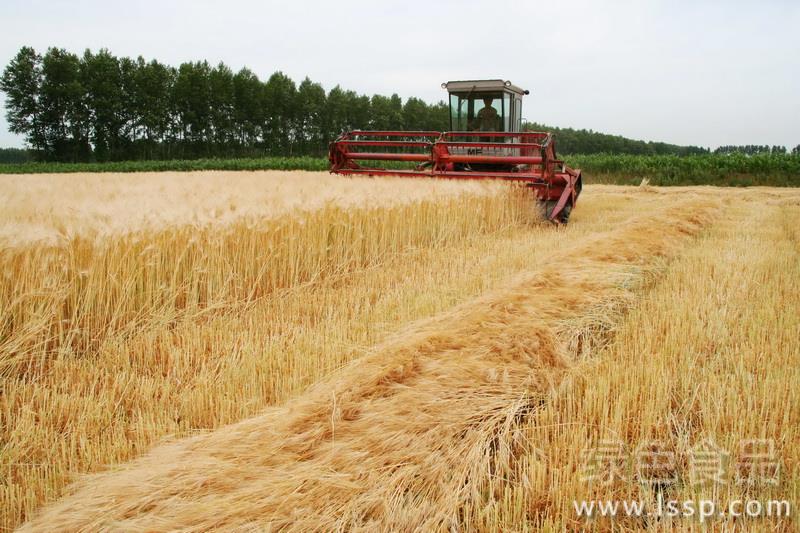
High-yield cultivation techniques for barley with drought resistance, cold tolerance and wide adaptability
High-yield cultivation techniques for barley with drought resistance, cold tolerance and wide adaptability
-
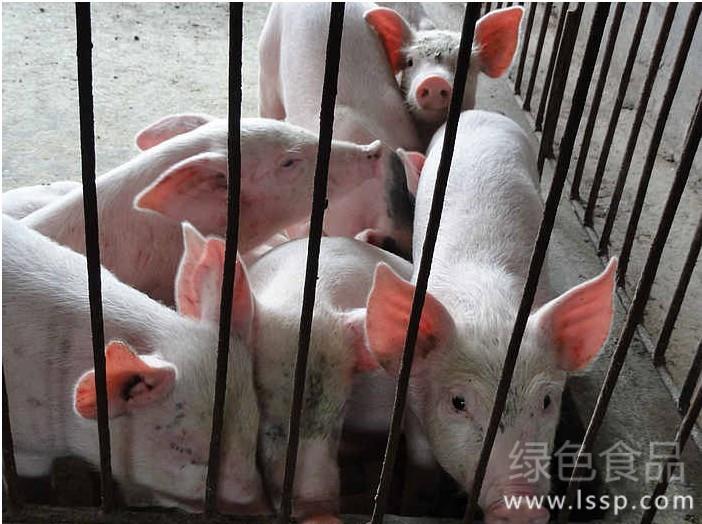
Key points for raising pigs in winter: cold protection and warmth must be done well
Key points for raising pigs in winter: strengthen cold protection and warmth
-
Comprehensive High-Yield Cultivation Techniques for Soybean in High-Cold Regions
Soybean is the main crop in the Jiamusi region of Heilongjiang Province, with an annual sown area of more than 900,000 mu, accounting for more than 75% of the total sown area. For a long time, due to the cold climate, short frost-free period, insufficient accumulated temperature, and lack of suitable varieties, soybean yields have remained stagnant at only about 150 kg, and in disaster years even less than 100 kg. In view of this, based on the climatic characteristics of Heilongjiang Province, we have developed several techniques suitable for soybean
-
How to Tell the Difference Between True Colds and False Colds in Dogs
True colds in dogs are systemic symptoms characterised mainly by inflammation of the mucous membrane of the upper respiratory tract. Colds generally occur most often in early spring, late autumn and when the climate changes abruptly. The cause is mostly sudden exposure to cold stimulation, such as being hit by a draught in winter, sleeping outdoors in the cold season, getting caught in the rain, or not drying a dog's coat promptly after bathing. The main symptoms of a dog with a cold are: the sick dog is depressed, has reduced or no appetite, the conjunctiva is congested and red, and the eyes are photophobic and run with tears. There is coughing, the nasal discharge is purulent, breathing speeds up, body
-
Cold Red Pear
Bred by the Jilin Provincial Fruit Tree Research Institute from Nanguo Pear × Jinsu. The fruit is round, with an average single-fruit weight of 170-200 g and a maximum of 450 g; when ripe, the skin is mostly waxy, the background color is bright yellow, and the sun-exposed side is vivid red, giving a beautiful appearance. The flesh is fine, crisp and juicy, with few stone cells and a small to medium-sized core; it has a rich sweet-sour taste and the aroma of Nanguo Pear, contains 14%-16% soluble solids, and is of superior quality; the fruit ripens in late September. It can be stored for more than 5 months in an ordinary fruit cellar, and the flavor is even better after storage; the tree is vigorous and grows strongly, with a high sprouting rate and medium branching ability
条件筛选