-
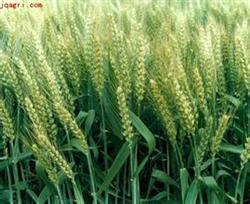
To achieve high yields in winter and spring wheat, building a solid foundation is key
Henan Province is a major wheat-producing province. In recent years, the state and the province have introduced a series of policies beneficial to farmers, supporting the development of wheat production, which has greatly improved the agricultural production conditions in our province and continuously raised the production level. The total wheat output and per-unit yield have hit record highs for 5 consecutive years. In 2007, the wheat sown area reached 75.66 million mu, and in 200...
-
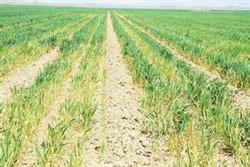
High-yield Cultivation Experience and Methods for Rainfed Spring Wheat
Dead wheat seedlings in winter wheat refers to the freeze damage that occurs during overwintering and early spring due to low temperatures, and it is one of the common disasters in wheat production. To achieve high and stable wheat yields and the goal of high quality and increased efficiency, it is essential to ensure a reasonable wheat population and a sufficient number of spikes per mu, so preventing the occurrence of dead wheat seedlings is particularly important...
-
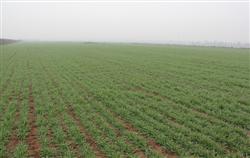
Spring management of wheat focuses on fertilizer and water; fertilization and irrigation must keep pace.
Generally carry out compaction and hoeing, and harrowing when the soil surface is frozen. Harrowing or compaction can break up clods, settle the soil, raise and conserve soil moisture, draw on deep water, and promote root growth and tillering. Through compaction, capillaries form in the soil, and deep soil moisture rises along the capillaries to the upper soil layer, which helps nourish root growth. Early-spring hoeing and harrowing...
-
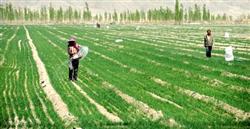
Spring management of wheat: focus on preventing and controlling the four major harms
How to manage the first spring irrigation and fertilization of wheat? The first spring irrigation and spring fertilization have a great impact on wheat yield. For example: if the wheat is too dense, too sparse, or lodging occurs in the later growth stage, it indicates that the timing of the first spring fertilization and irrigation was problematic. Another example: if the wheat stays green and ripens late, and the grains are shriveled and thin, that indicates your spring water and fertilizer use...
-
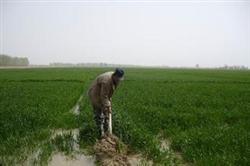
Early prevention and early treatment of wheat pests and diseases in spring is key
From the perspective of water conservation, it is recommended to water wheat twice in spring. For wheat fields that have normal growth after winter irrigation, if the soil moisture is good, the green-up water can be skipped. The first spring watering of wheat should be at the stem elongation to jointing stage (late March to early April), and the second spring watering at the heading to flowering stage (late April to early May). The specific watering time...
-
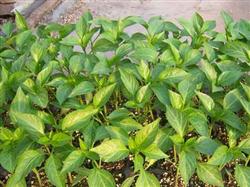
Detailed Explanation of Key Techniques for Spring Sowing and Seedling Raising of Peppers
(1) Preparation of the sunny seedbed: Choose a plot with fertile soil, sheltered from the wind and facing the sun, where eggplants and tomatoes have not been planted in the previous crop, and build a sunny seedbed. For each mu planted, raise seedlings with a seeding rate of 150 grams, and the sunny seedbed should be more than 10 square meters. Apply sufficient base fertilizer, irrigate heavily to build up soil moisture, and use a small amount of urea, phosphate fertilizer and active potassium fertilizer. Because the sunny seedbed...
-
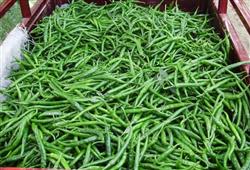
Detailed Explanation of High-Yield Cultivation Techniques for Spring Crop Peppers
Selecting good varieties The spring crop cultivation is essentially early-maturing cultivation, so attention must be paid to the early maturity of the variety while also considering high yield and disease resistance. Suitable varieties include Hongyingda, Andale, Shengfangzhou, and also Bulgarian pointed pepper, Sujiao No. 5, etc. Land preparation and fertilization: spread 10,000 kg of high-quality manure or compost per mu, and apply urea in furrows...
-
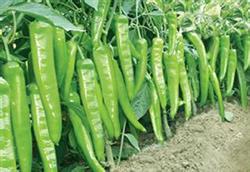
How to Keep Spring Crop Peppers Straight and Not Bent? Doing These Four Things Well Is Key
"Bent peppers have a big impact on price. So how to keep peppers from producing bent fruit has become an important part of increasing vegetable growers' returns. Through managing peppers over the past few years, I believe that as long as you grasp four points, peppers generally will not produce bent fruit." Master Gong told the reporter. So what are the four points Master Gong mentioned? The first...
-
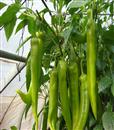
Key Technical Points for Spring Greenhouse Cultivation and Management of Chili Peppers
Since last winter up to now, the market for mildly spicy chili peppers grown in greenhouses has been consistently strong. Therefore, this newspaper hereby introduces its cultivation techniques as follows: 1. Raising seedlings. The flower buds in the middle and lower parts of the chili pepper have already completed differentiation during the seedling stage, so cultivating sturdy seedlings is very important for the quality of flower bud differentiation and for earlier flowering and fruiting. During the seedling period, the suitable...
-
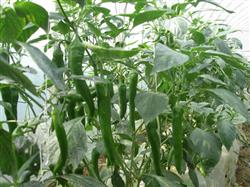
How to manage greenhouse peppers after spring planting?
Early spring greenhouse peppers are generally planted from mid-February to early March, then watered thoroughly with bottom water; after the water seeps in, earth up in stages, seal the holes, and seal the plastic mulch planting openings tightly. At this time, pay attention to the following three management tasks: timely temperature control and ventilation. After planting, the temperature outside the greenhouse is still low, so attention should be paid to heat preservation, keeping the daytime temperature at 22-30°C...
条件筛选