-
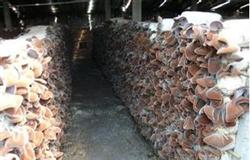
Detailed Explanation of Key Points for Cultivating Yellow-Back Wood Ear Mushroom (Auricularia polytricha) on Rice Straw
1 Rice straw softening treatment. The quality of rice straw treatment is the key to the success or failure of cultivating yellow-back wood ear mushroom and to achieving high yields. Rice straw is a loose material that easily accumulates water but is difficult to shape, and its epidermis in particular has a waxy layer that can hinder mycelial colonization of the substrate. Through experimentation, we have developed 3 methods for softening rice straw...
-
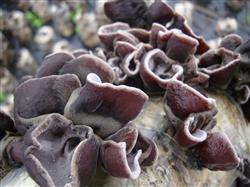
Detailed Explanation of Straw Cultivation Methods and Techniques for Black Wood Ear Mushroom
After the autumn harvest, rural areas have a large surplus of straw, and it is a great pity to throw it away. Using straw to cultivate black wood ear mushroom works very well, and it is also a path to wealth for farmer friends. Practice shows that generally every 100 kg of straw can yield more than 10 kg of dried black wood ear mushroom, and high-yielding batches can bring a net income of more than 200 yuan from this. Straw cultivation of black wood ear mushroom uses...
-
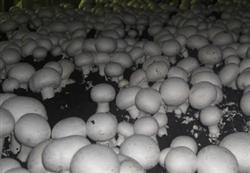
Utilization of Wheat Straw and Cattle and Horse Manure in Button Mushroom Cultivation
The overwintering period of button mushrooms in greenhouses generally refers to the period from the Winter Solstice of that year to the Awakening of Insects in the following year. During this period, the time is long and the temperature is low, and the mycelium is in a stage of extremely slow or stopped growth. Although a small amount of fruiting bodies may sometimes be produced, it is of little significance in production. Depending on the degree of dryness or wetness of the mycelium layer, either dry overwintering or wet overwintering methods can be used for management...
-
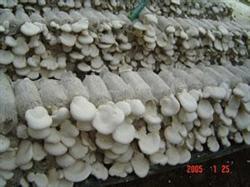
The raw material ratio for white lingzhi mushroom cultivation must be scientific and reasonable
The white lingzhi mushroom (Pleurotus nebrodensis) is an emerging mushroom type developed in recent years. Because its history of development is relatively short, many problems still exist in cultivation techniques, especially since total yield has been difficult to increase. Some growers achieve a biological conversion rate of less than 20% when cultivating white lingzhi mushrooms, and even when prices are relatively high, the economic benefit is still quite ordinary. The author...
-
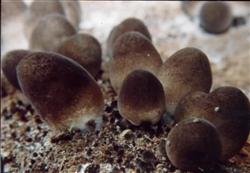
Key Technical Points for Off-Season Cultivation of Straw Mushrooms in Winter
The entire straw mushroom production process takes place in a high-temperature, high-humidity environment, so there are many insect pests and contaminating microorganisms. The main contaminants are ink cap mushrooms (Coprinus), Trichoderma, and Penicillium. The main causes of ink cap mushrooms are a relatively high nitrogen content in the raw materials, a relatively low pH value, and incomplete fermentation and disinfection. Trichoderma and Penicillium are mainly due to insufficient fermentation, relatively...
-
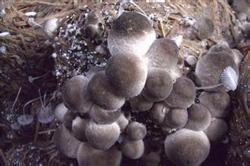
How to cultivate straw mushrooms for high yields? Master these five key elements
1. Reasonably arrange the production season. Straw mushrooms are high-temperature edible fungi. To ensure that straw mushrooms can normally develop mycelium and produce mushrooms after spawning, the cultivation season should be chosen when the daily average temperature is above 25°C. This is beneficial to the growth of mycelium and the development of fruiting bodies. With a plastic greenhouse, spawning can be advanced to mid-May; with a greenhouse mushroom house, they can be cultivated all year round.
-
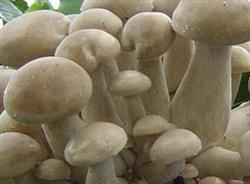
Key High-Yield Techniques for Early and Delayed Cultivation of Straw Mushrooms
I. Poor Aeration Straw mushroom is a high-temperature aerobic fungus and requires sufficient oxygen during its growth and development. During cultivation, in order to raise the pile temperature, the plastic film is sometimes left in place for too long, causing excessive carbon dioxide in the compost pile and leading to oxygen deficiency; the young mushrooms, due to poor aeration and poor gas exchange, find it difficult to grow normally and wilt. Spawning...
-
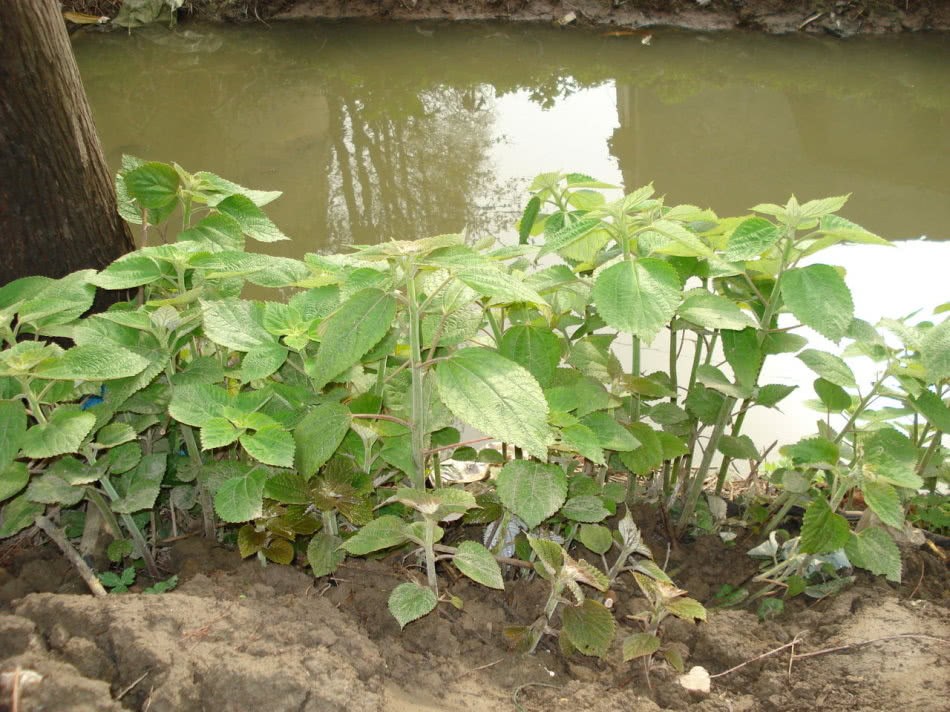
20 years ago it was used to make straw sandals, its leaves could be eaten as a wild vegetable, and foreigners called it "China's treasure"
In rural areas, weeds are everywhere. Whether by the roadside or behind the house, anywhere people rarely go, you can always see plenty of weeds. Some farmers cut these weeds and take them home to feed pigs and cattle...
-
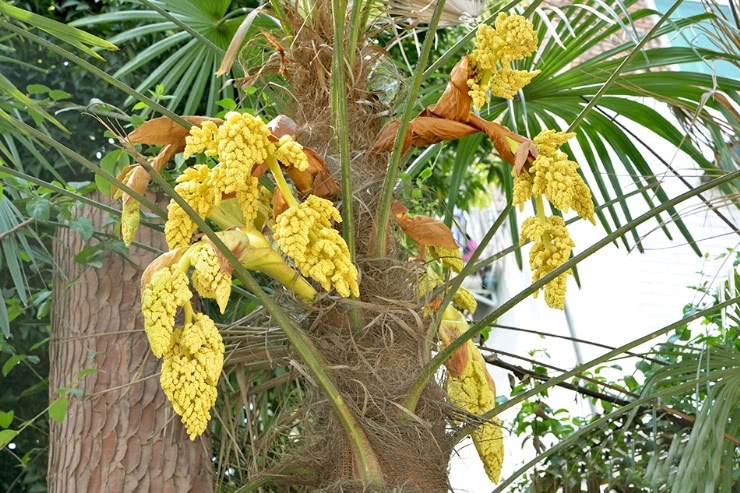
Millet that grows on trees, edible raw or cooked, stir-fried with meat it is absolutely superb, few people in the north have ever eaten it
In the rural countryside, many flowers, fruit trees and trees grow naturally in the wild. Back then, we a few little friends always loved running along the rural mountain paths, and we would also climb up the trees to play. The memories childhood left me are very deep. Although we were small...
-
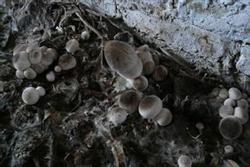
Several key techniques for high and stable yields in straw mushroom cultivation
1. Straw mushrooms prefer a high-temperature, high-humidity environment. After the compost is brought into the mushroom house, its moisture content must be strictly controlled, and over-aged spawn must not be used; keep the mushroom house temperature at around 30°C. 2. Because straw mushrooms are aerobic fungi, they need plenty of water; too much ventilation easily leads to water loss and death, while too little ventilation easily causes excess carbon dioxide and oxygen deprivation...
条件筛选