How to cultivate straw mushrooms for high yields? Master these five key elements
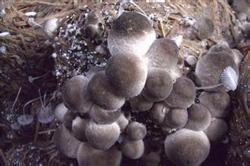
1. Reasonably arrange the production season. Straw mushrooms are high-temperature edible fungi. To ensure that straw mushrooms can normally develop mycelium and produce mushrooms after spawning, the cultivation season should be chosen when the daily average temperature is above 25°C. This is beneficial to the growth of mycelium and the development of fruiting bodies. With a plastic greenhouse, spawning can be advanced to mid-May; with a greenhouse mushroom house, they can be cultivated all year round.
1. Reasonably arrange the production season
Straw mushrooms are high-temperature edible fungi. To ensure that straw mushrooms can normally develop mycelium and produce mushrooms after spawning, the cultivation season should be chosen when the daily average temperature is above 25°C. This is beneficial to the growth of mycelium and the development of fruiting bodies. With a plastic greenhouse, spawning can be advanced to mid-May; with a greenhouse mushroom house, they can be cultivated all year round.
2. Choose a favorable cultivation site
Straw mushrooms can be cultivated both indoors and outdoors, but outdoor cultivation is more advantageous. For outdoor cultivation, choose fertile, loose, well-aerated farmland with convenient drainage and irrigation, such as fields where the previous crop was rapeseed or watermelon, as the cultivation site is most suitable. The yield of freshly reclaimed land is far lower than that of well-cultivated fertile land. Before cultivation, clear weeds and open border and perimeter ditches so that water can drain during waterlogging and be supplied during drought.
3. Strictly select and treat the compost
Whichever raw material is chosen, it should be dry and free of mold, and should be exposed to the sun for 2-3 days before production. Newly harvested rice straw must be thoroughly dried, otherwise the material easily rots and the cultivation fails. Before spawning, pre-wet and mix the material with 5% limewater until the pH reaches above 12, then build a pile and ferment for 4-5 days, until the moisture content of the compost substrate reaches 65-70%.
4. Choose excellent-quality spawn
If the spawning rate is increased, the genetic traits of the spawn are crucial in production. Choosing high-quality, high-yield spawn can significantly increase yield, such as the high-quality strains V23, V5, V17, etc. from Guangdong.
5. Adopt scientific cultivation and management techniques
Using the "two-stage cultivation method" of pasteurized soil disinfection, bag cultivation for mycelial growth, then removing the bags and casing soil in a small plastic arch shed or large plastic arch shed to produce mushrooms can significantly increase yield. First, this method allows straw-type raw materials to be packed tightly and firmly, with the materials closely connected, which is favorable for mycelial growth and avoids the drawback of loose raw materials pulling the straw during harvesting, damaging the mycelium and small mushroom buds and causing mushroom death. Second, during the mycelial growth stage, the material temperature balance can be regulated by increasing or decreasing the number of stacked layers, promoting normal mycelial growth. Third, through casing soil, the microclimate environment and physical structure in the mushroom-producing area are improved, so that straw mushroom fruiting bodies remain in a relatively stable environment from primordium formation to growth and development, with less interference from adverse external factors, which is conducive to increasing yield. Fourth, after casing soil, the nutrient elements in the soil can be fully utilized, especially by meeting the water demand for straw mushroom growth through the seepage and transport of water in the soil layer, thereby achieving the goal of high quality and high yield.
When casing soil for straw mushrooms, the bags should be placed flat, with 5-10 cm between bags, and soil filled into the gaps, with the surface soil layer 1.5-2.0 cm. After casing soil, water thoroughly in one application, so that the mycelium in the material can fully utilize the soil moisture for mushroom growth. In water management, first, never supplement water when fruiting bodies are forming; second, never directly supplement tap water or groundwater, to avoid causing a large temperature difference and mass mushroom death.