Several key techniques for high and stable yields in straw mushroom cultivation
1. Straw mushrooms prefer a high-temperature, high-humidity environment. After the compost is brought into the mushroom house, its moisture content must be strictly controlled, and over-aged spawn must not be used; keep the mushroom house temperature at around 30°C. 2. Because straw mushrooms are aerobic fungi, they need plenty of water; too much ventilation easily leads to water loss and death, while too little ventilation easily causes excess carbon dioxide and oxygen deprivation...
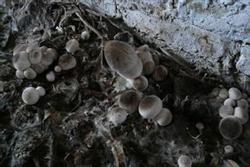 Straw mushrooms are considered an easily cultivated edible mushroom species, because the straw materials used for cultivation are very widely available, and the cycle is short: from sowing to the end of harvesting it is only a little over one month. But at the same time, it is also the variety for which high and stable yields are hardest to achieve; it is very "delicate," and once there is a management mistake or a pest or disease outbreak, there is basically no time to remedy it, leading to reduced yields or even total loss. Therefore, the following key points must be grasped:
1. Make a high-quality culture medium: the ideal raw material is waste cotton residue or cottonseed hulls, followed by crop straws such as rice straw and wheat straw. Fermentation is best adopted; when using straw as the raw material for fermentation, it is best to add No. 4 azotobacter to improve the physical properties of the compost and increase its nitrogen content. Dry cow dung, rice bran, gypsum powder and other supplementary materials can also be added appropriately.
2. Carry out secondary fermentation: secondary fermentation can greatly reduce the occurrence and harm of pests and diseases; it also degrades the compost, making it easier for the mycelium to absorb, achieving stable and high yields.
3. Select high-quality spawn: this is the most important thing. First, according to market demand, choose varieties that sell well, and carry out cultivation trials; after confirming good performance, promote them. Second, be cautious when buying spawn; any spawn with contaminant microorganisms or pests must never be used. The spawn age must be appropriate; generally use spawn of about 20 days, and spawn older than 30 days is generally aged.
4. Topdressing and casing soil: when cultivating with straw, to obtain high yields, fertilization is usually used to further increase yield. For example, when watering, add glucose, monopotassium phosphate, magnesium sulfate and mushroom growth stimulant, etc. For example, to every 100 kg of water add 1 kg of glucose, 0.1 kg of magnesium sulfate, 0.5 kg of monopotassium phosphate, and 200 tablets of vitamin B1, and spray after the mushrooms are harvested; apply triacontanol solution (to every 100 liters of water add 0.06-0.08 g), spraying it on the compost before sowing, which can effectively increase the survival rate of primordia and reduce mushroom death. Casing soil is essential, and soil rich in nutrients is best used.
5. Secondary cultivation: this can increase the utilization rate of raw materials and reduce labor. It is usually used when cultivating with waste cotton or cottonseed hulls: after the first flush of mushrooms is harvested, dig out the seriously contaminated areas, sprinkle a layer of lime powder on the surface of the compost, and then spread a layer of newly prepared compost.
6. Summarize experience in time: because the straw mushroom cultivation cycle is short and its stress resistance is poor, unsuitable ventilation, temperature, temperature difference, or humidity will all seriously affect yield. This requires growers to promptly adopt scientific management measures according to the environmental and climatic conditions, constantly summarize experience and lessons, and promptly apply the right remedy.