20 years ago it was used to make straw sandals, its leaves could be eaten as a wild vegetable, and foreigners called it "China's treasure"
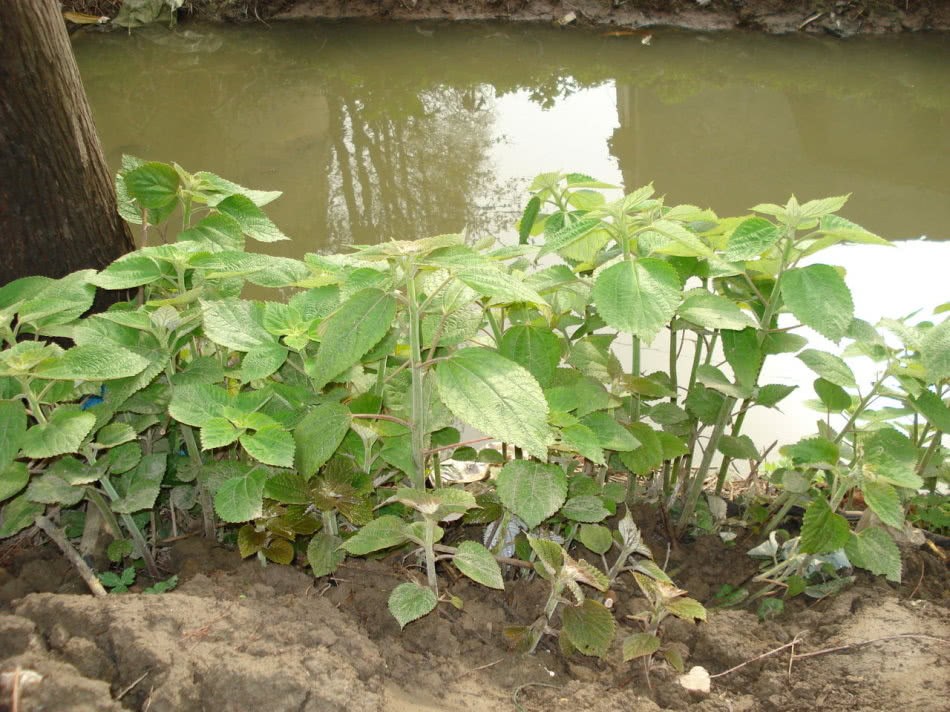
In rural areas, weeds are everywhere. Whether by the roadside or behind the house, anywhere people rarely go, you can always see plenty of weeds. Some farmers cut these weeds and take them home to feed pigs and cattle, while other weeds simply grow naturally, left to fend for themselves. In the eyes of farmers, some weeds are still very useful, especially in the past when living conditions were poor, some wild grasses were an indispensable part of life.
Today I will introduce a weed: ramie. Ramie is especially common in my hometown's countryside. This weed can grow to one meter tall, but breaking ramie is not easy at all. The pith of the ramie stem can be snapped in half with a gentle bend, but the stem skin wrapped around the outside of the pith can never be torn apart no matter how you pull. Breaking the stem skin takes quite a bit of effort. The stem skin of this ramie has a very high fiber content. Once dried, these stem skins can be made into thread with especially good toughness. My grandmother also said that in her era, people used ramie stem skin to make straw sandals, which were especially sturdy. Wearing straw sandals to work in the fields was also very wear-resistant, and they could be worn for a long time.
Some elderly people at home also twist ramie stem skin into thick rope for pulling things, and it can be used for a very long time, even better than bought rope. In the past, ramie skin was the unique raw material for producing Chinese grass cloth, which was widely welcomed in the international market and was even called "China's treasure." But now production has gradually shrunk, and it can no longer be seen in most rural areas.
Ramie leaves can also be eaten, but because ramie leaves do not taste very good, basically no one eats them anymore after people's living conditions improved. Grandmother said that her generation went through hunger, and at that time being able to eat ramie leaves was already considered good; they would not say at all whether it tasted good or not. They ate plenty of ramie leaves back then.
In fact, the whole ramie plant is a treasure. Not only can it be eaten, it also has medicinal value. Its root, used externally, can treat nameless swellings and toxic sores, bruises and injuries, and other conditions. Its leaves, besides being edible, also have a hemostatic effect when used externally, and it is one of the commonly used Chinese herbal medicines in ancient China. It is this ramie, with such strong toughness, that is now hard to see in rural areas, and even when occasionally seen by the roadside, many people cannot recognize it. With the development of society, no one weaves it into straw sandals to wear on their feet anymore.
But a species that has witnessed the progress of the times should not disappear. Besides, ramie's medicinal value is not small either. Although ramie is rarely seen now, I still hope that when you see it, you can leave it be, since it has so many benefits. Can you still see ramie now?