-
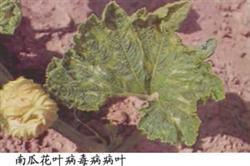
What pesticide is effective for controlling pumpkin mosaic virus disease?
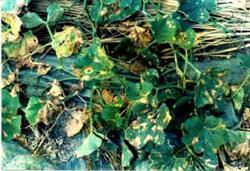
Symptoms: Mainly manifested as uneven chlorophyll distribution, with yellow patches or mottled mosaic of alternating light and dark areas on the leaf surface, sometimes with increased chlorophyll concentration along the leaf veins, forming alternating dark green bands; in severe cases, the leaf surface becomes uneven and bumpy, with the veins wrinkled and deformed. Generally, symptoms on new leaves are more obvious than on old leaves. In severe cases, the stems and vines and terminal leaves become twisted and shrunken....
-
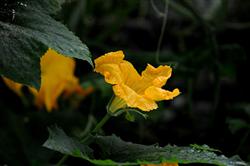
What to do when pumpkin plants have few female flowers? Teach you how to increase the fruit-setting rate
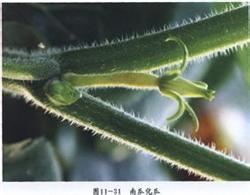
In the course of production, the author often hears melon growers report that their pumpkins have neither diseases nor pests, and every plant grows with sturdy vines and fat leaves, but they bloom little, especially with few female flowers, and the "baby melons" all get "killed off in frustration." They ask what causes this and what methods can remedy it. The answer is given below. Pumpkin is a kind of...
-
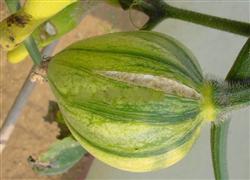
Causes of Pumpkin Fruit Cracking and Control Methods
Main symptoms: Fruit cracking occurs in both young and mature pumpkins, producing longitudinal, transverse or diagonal cracks on the fruit surface. The cracks vary in depth and width; severe cracks can reach deep into the flesh, exposing the seeds, and the injured surfaces of the cracks become suberized; minor cracks are only small fissures. If young fruit cracks, by the time the pumpkin matures it generally becomes severe...
-
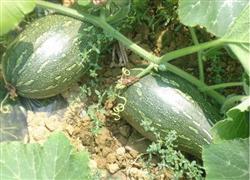
Detailed Explanation of Key Points for Open-Field Cultivation Techniques of Pumpkin
1. Variety selection and seed treatment: Chinese pumpkin cultivars must be used, with local superior landraces being preferred, such as Huangpiao pumpkin, Mopan pumpkin, pillow pumpkin and long-handled pumpkin, etc. After the pumpkin seeds are sun-dried for 1-2 days, scald them in 50°C warm water for 5-10 minutes, then soak and sprout them. 2. Fertilization and land preparation: With...
-
Temperature management methods during pumpkin cultivation
①Practice rational crop rotation, and select excellent disease-resistant varieties according to local conditions. Before sowing, the seeds should be soaked. They can be soaked for 20 minutes in a 500-fold dilution of 50% carbendazim wettable powder plus an 800-fold dilution of New High Lipid Membrane, then rinsed clean with water and sprouted. After sowing, promptly spray New High Lipid Membrane to retain heat and moisture, prevent soil crusting, and improve seedling emergence...
-
Reasons and Solutions for Large-Scale Yellowing of Pumpkin Leaves
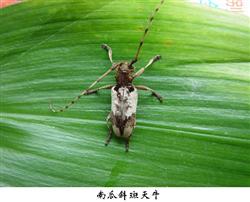
Scientific name Apomecyna histrio (Fabricius), belonging to the order Coleoptera, family Cerambycidae. Synonym Apomecyna alboguttata Megerle. Also known as the four-spotted pumpkin longhorn beetle, squash vine longhorn beetle, stem borer. It is a major pest of cucurbit vines. Distributed in Guizhou, Yunnan, Sichuan, Guangxi, Guangdong, Hunan, Zhejiang, Fu...
-
Detailed Explanation of Key Techniques for Autumn Pumpkin Cultivation
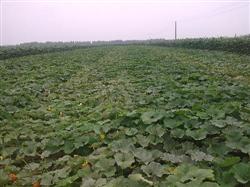
Pumpkins have a strong root system with deep and extensive distribution, strong stress resistance, and a powerful ability to absorb water and nutrients. When pumpkins are cultivated in greenhouse soil with high fertility levels, the stems and leaves often become excessively lush, frequently causing flower and fruit drop, resulting in low yields. Therefore, when cultivating pumpkins in arched sheds, management must be strengthened, with appropriate close planting and controlled...
-
6 Key Points of Small Arch Shed Cultivation Technology for Pumpkin in Early Spring
Main causes of pumpkin fruit abortion: excessively high temperatures are unfavorable for pumpkin fruit setting and fruit enlargement, causing fruit abortion; excessive fertilizer and water, especially after pumpkin harvest, when pruning cannot keep up, causing excessive vegetative growth of pumpkin plants and fruit abortion; pest and disease damage causing fruit abortion. To prevent pumpkin fruit abortion, the following measures can be taken: First, ...
-
How to prevent pumpkin leaf spot? Mastering these methods is key
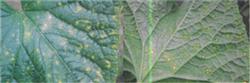
Pumpkin leaf spot mainly damages leaves and flower stalks. The pathogen overwinters in the soil with diseased plant debris. In spring, the pathogen spreads via splashing rainwater. In the early stage of the disease, leaf spots are round to nearly round or irregular in shape. The leaf margins are dark brown, and the junction between diseased and healthy tissue appears water-soaked. When humidity is high, dense small black dots form on the spot surface, and in severe cases the leaf spots merge, causing the leaves to partially...
-
High-Efficiency Intercropping Cultivation Techniques for Spring Cauliflower and Pumpkin
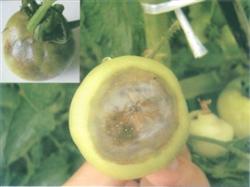
I. Symptoms: 1. Seedlings: infected plants develop dark green water-soaked lesions that spread from the leaves to the main stem, causing the petioles and stems to become thin, dark brown, rotten and collapsed, with the whole plant wilting; when humidity is high, a white mold layer forms on the diseased parts. When the base of the young stem is affected, water-soaked constriction forms, and the seedling wilts or falls over. 2...
条件筛选