-
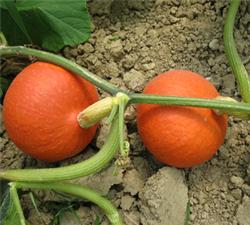
High-Quality New Pumpkin Varieties and Key Points of Spring Cultivation Techniques
Pumpkin is a nutritious and healthy vegetable, and the Western pumpkin (Cucurbita maxima) introduced from abroad has low fruit water content, high solids, high levels of non-reducing sugars and starch, a starch-to-total-sugar ratio exceeding 1, low crude fiber and high crude protein, so its eating quality and mouthfeel are excellent, and its quality greatly surpasses that of domestic local pumpkins, making it deeply...
-
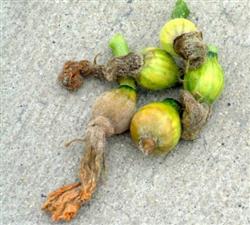
How to prevent and control gray mold in pumpkins? Practical methods explained clearly in one article
How is gray mold in pumpkins prevented and controlled? Why does gray mold occur? Please explain: gray mold in pumpkins mainly occurs on the fruit. Affected fruit usually begins to rot from spent flowers and grows a light grayish-brown mold layer, then spreads to the young fruit, first at the tip of the pumpkin and then upward, causing the young fruit to soften and rot. Affected...
-
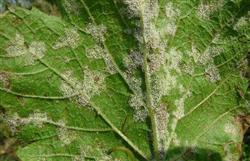
How do you prevent and control Phytophthora blight in pumpkin cultivation?
How do you prevent and control Phytophthora blight in pumpkins? Why does pumpkin Phytophthora blight occur? Please explain that pumpkin Phytophthora blight is mainly more severe in spring pumpkins, especially in rainy years with poor drainage, often causing large areas of rotten pumpkins. Besides harming pumpkins, this disease can also harm cucumbers, bottle gourds, watermelons, etc., and often occurs mixed with Fusarium wilt....
-
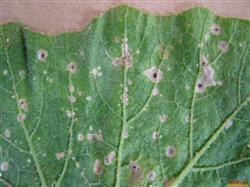
How to prevent and control pumpkin leaf spot disease when growing pumpkins?
What controls pumpkin leaf spot disease? What is pumpkin leaf spot disease? Please provide an introduction. Pumpkin leaf spot disease mainly damages the leaves and the flower axis. Leaf spots are circular to nearly circular or irregular in shape. The leaf margin is dark brown, the boundary between diseased and healthy tissue is distinct, and there are small black dots in the center of the lesion. In severe cases, the leaf spots merge, causing localized death of the leaves. The flower axis...
-

Detailed Explanation of Key Management Points for Winter Pumpkin Cultivation
Key Management Points for Winter Pumpkin Cultivation
-
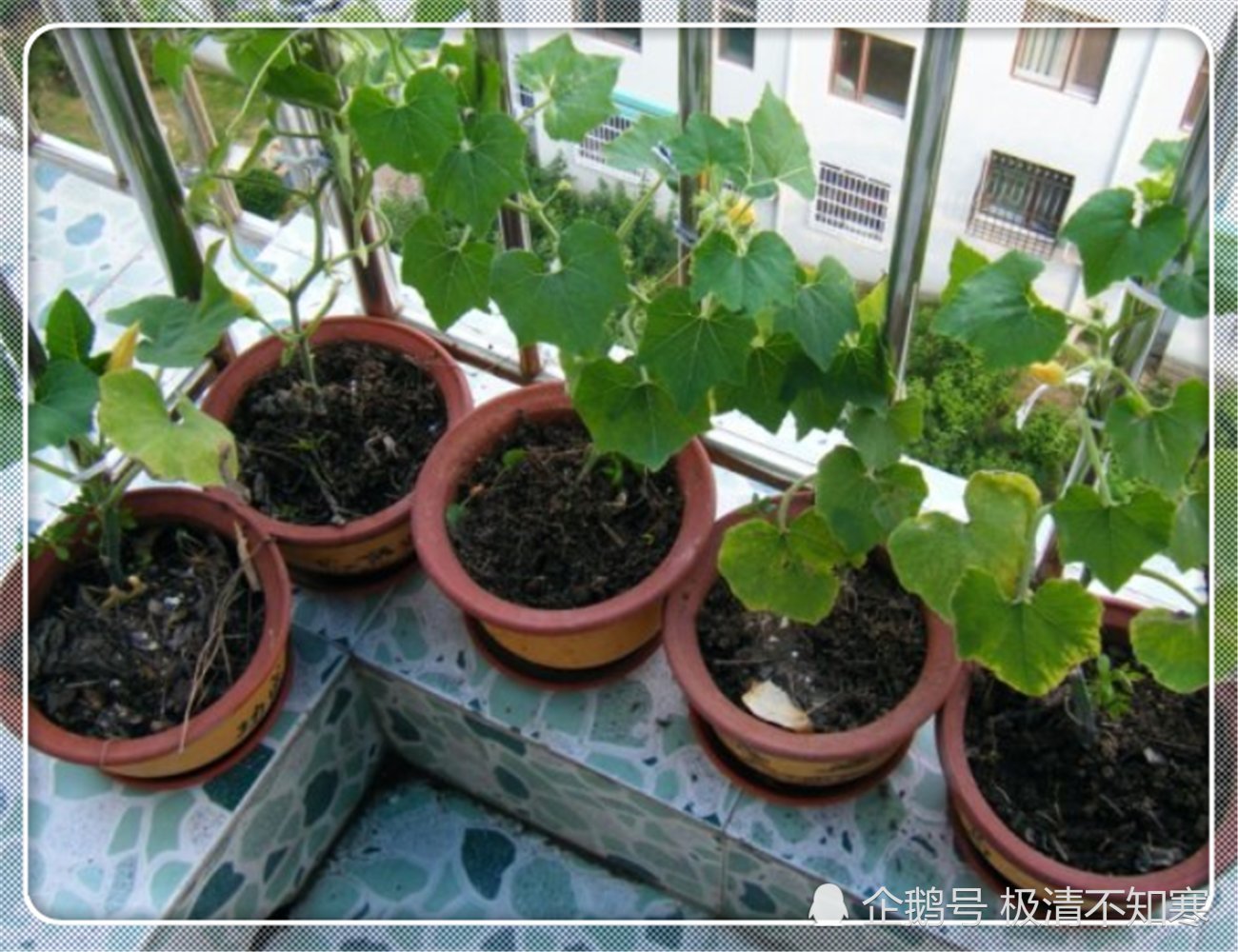
How do you grow pumpkins so they bear a lot of fruit? A fruit farmer reveals 2 tricks, and the pumpkins you get are big and plentiful
Pumpkins should be planted in spring or in autumn. How exactly should you grow them? Then let's take a look below! First, choose and prepare the land. Choose land with relatively high terrain and good irrigation for lifting water, otherwise moisture is not easily drained...
-
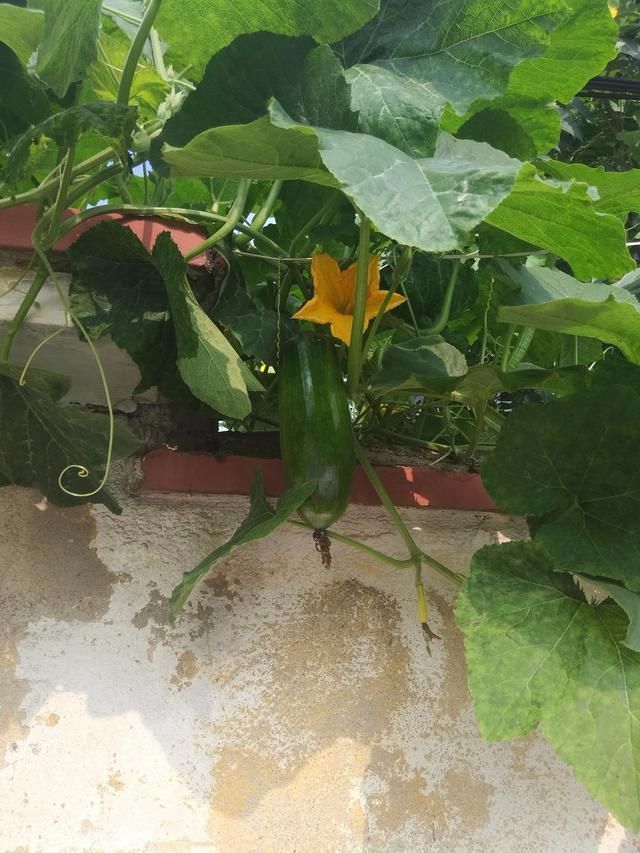
The whole pumpkin plant is a treasure; grow one at home and you can eat the shoots, flowers and fruit
Recently Yatou got hooked on pumpkins. There are no fussy steps - just cut it open and steam it in a pot and it is ready to eat, with a soft, sweet taste. But when Yatou went home this weekend, she unlocked a new way to eat pumpkin: it turns out not only the pumpkin itself is edible, but the pumpkin's...
-

What to do when pumpkins have a low fruit-setting rate? Methods to improve the fruit-setting rate
Methods to improve the fruit-setting rate of pumpkins
-
Complete Guide to Pumpkin Planting Methods and Timing
When planting pumpkins, choose spring or autumn, select land with higher elevation and good drainage and irrigation, carry out deep ploughing, and spread farmyard manure as a base fertiliser. When sowing, plant the seeds in the field at certain intervals, then cover them with soil. When the vines grow to more than two metres, remove the growing tips of the vines to increase the yield.
-
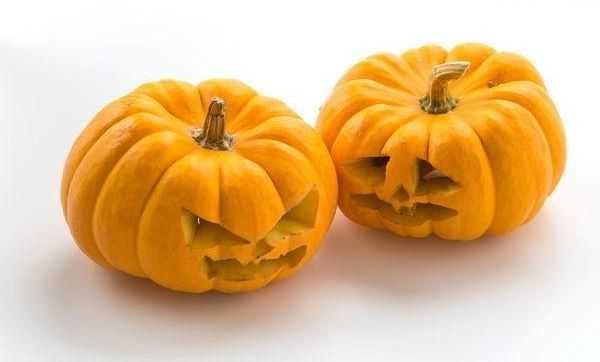
Plant pumpkin vines on the balcony: the method is simple and you can still get fruit
I believe many kids have grown up eating pumpkins. The pumpkin, this plant, can be eaten as both a vegetable and a fruit, so I think it is a rather amazing food. When I was little, that is, before shared bikes...
条件筛选