How to prevent pumpkin leaf spot? Mastering these methods is key
Pumpkin leaf spot mainly damages leaves and flower stalks. The pathogen overwinters in the soil with diseased plant debris. In spring, the pathogen spreads via splashing rainwater. In the early stage of the disease, leaf spots are round to nearly round or irregular in shape. The leaf margins are dark brown, and the junction between diseased and healthy tissue appears water-soaked. When humidity is high, dense small black dots form on the spot surface, and in severe cases the leaf spots merge, causing the leaves to partially...
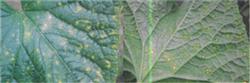
Pumpkin leaf spot mainly damages leaves and flower stalks. The pathogen overwinters in the soil with diseased plant debris. In spring, the pathogen spreads via splashing rainwater. In the early stage of the disease, leaf spots are round to nearly round or irregular in shape. The leaf margins are dark brown, and the junction between diseased and healthy tissue appears water-soaked. When humidity is high, dense small black dots form on the spot surface, and in severe cases the leaf spots merge, causing parts of the leaves to die. Infected flower stalks or flowers appear black and water-soaked, or dark brown and rotted.
Control measures
1. Practice rational crop rotation, avoid planting in low-lying land, and before planting promptly remove diseased debris from the previous crop, deep-plow and sun-dry the soil, and combine this with spraying a disinfectant plus 800-fold New High Lipid Film solution to disinfect the soil; also select disease-resistant varieties, and before sowing dress the seeds with New High Lipid Film to repel underground pests and diseases, isolate viral infection, and increase the seed germination rate.
2. Strengthen management by timely cultivating and weeding, watering and topdressing, while also improving air circulation between plants, and during the growing period timely spray Flower Promoter No. 3 to inhibit excessive growth of the main shoot and promote flower bud differentiation; spraying Zhuangguadiling before flowering, at the young fruit stage, and at the fruit enlargement stage can thicken the fruit stalk, increase nutrient delivery, promote rapid fruit development, produce attractive fruit shape, and yield juicy, flavorful fruit.
3. Chemical control: in the early stage of the disease, according to plant protection requirements, spray targeted agents such as 70% thiophanate-methyl wettable powder at 800-fold dilution for control, spraying once every 10-15 days, taking care to spray evenly and thoroughly, for 2-3 consecutive applications; at the same time, combine with spraying 800-fold New High Lipid Film solution to enhance efficacy, improve the utilization rate of the active ingredients, and consolidate the control effect.