-
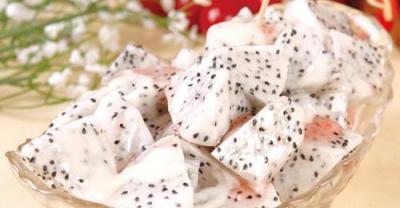
Analysis of Common Problems in Citrus Cultivation and Solutions
In 2016, China's citrus planting area reached as high as 2.5567 million hm, with a total output of 36.168 million t, with relatively rapid growth in western production areas such as Guangxi, Chongqing, Sichuan, and Yunnan...
-

What are the common problems in forage grass cultivation?
Hebei, I have three mu of land. Which kind of forage grass is suitable to plant? Can it feed 30 goats? The 30 sheep also don't need corn stalks, peanut vines, sweet potato vines, soybean stalks, and the like...
-
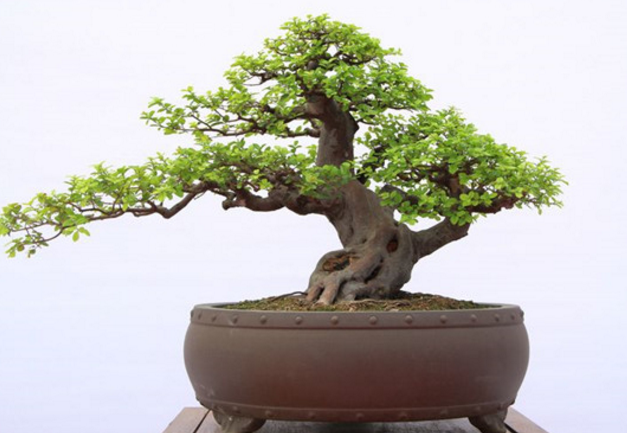
Chinese Sweet Plum Bonsai: How to Make It and How to Solve Common Pest Problems
Chinese sweet plum (Sageretia thea) bonsai has a unique form; it is one of China's "Seven Sages" of bonsai and one of the five famous trees of Lingnan bonsai in China. Other names for Chinese sweet plum include "broken rice seed," "thorny wintergreen," and "opposite thorn." What are the methods for making Chinese sweet plum bonsai? The time for making Chinese sweet plum bonsai is in March each year and during the plum rain season.
-

Technical Problems and Solutions for the "Two No" Cotton Cultivation Technique
The "Two No" cotton cultivation technique refers to cotton seedling raising in soilless substrate and transplanting of bare-root seedlings without carrier. From 2004 to 2005, after demonstrations at more than 80 county sites across the country, some technical problems were found, and the following solutions are proposed: 1. Excessive seedbed density Main causes: First, rows were not marked out at 10 cm row spacing and 3 cm plant spacing; second, the sowing rate was too high with too many seeds; third, after emergence, seedlings were not thinned in time, resulting in leggy or spindly seedlings. Solutions: First, mark out rows at 10 cm row spacing and 3 cm plant spacing; second, sow according to plant spacing,
-

What to Do When Plumbago Leaves Turn Yellow? Solve the Problem by Replenishing Water
Plumbago (Ceratostigma plumbaginoides) is a flower species with a rather fresh and elegant appearance, and it has great ornamental value. Of course, no matter how beautiful a flower is, if its leaves turn yellow, it will greatly affect its beauty. As for what to do when plumbago leaves turn yellow, you need to know what is causing it: long-term exposure to strong sun, insect pests
-
What to do when water lily leaves turn yellow and black? 6 solutions to the problems of too little water and too much fertilizer
As a beautiful flower, the water lily is often grown in pots at home by flower lovers, and the beautiful scene when it blooms is truly unforgettable. However, during the growing process, water lilies can develop serious problems for various reasons, such as water lily leaves turning yellow or water lily leaves turning black. So what should you do when water lily leaves turn yellow and black?
-
What to do when peony leaves turn yellow? 5 tricks to easily solve the problem of too much water and too little fertilizer
Everyone should be familiar with the peony. It has beautiful flower shapes and rich colors, and is a flower deeply loved by flower lovers, often grown in pots at home. However, during home cultivation, due to improper care and other reasons, peonies can develop yellow leaves. So what should be done when peony leaves turn yellow?
-
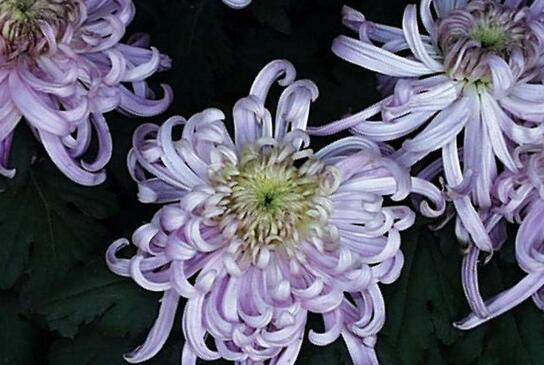
What to do when violet leaves turn yellow? Temperature and environment are the main causes, so you need to treat the root of the problem
Through the methods and precautions for growing violets, we know that the violet is a plant that prefers a cool climate. If the growing environment is not suitable for it, the result may be that it only grows leaves without blooming, and in severe cases the leaves may turn yellow
-
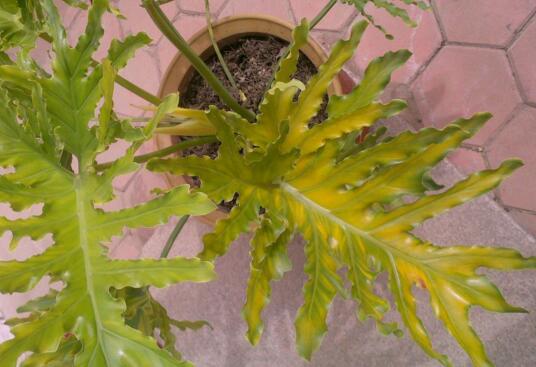
What to Do When Philodendron Leaves Turn Yellow? Identify the Cause of Temperature, Fertilizer, and Watering Problems and Treat Accordingly
Native to South America, Philodendron bipinnatifidum is loved for its huge, heart-shaped leaves, but some flower growers may encounter yellowing leaves, which is deeply distressing. So what should you do if the leaves of your Philodendron turn yellow? Besides mastering the correct cultivation methods and precautions for Philodendron
-
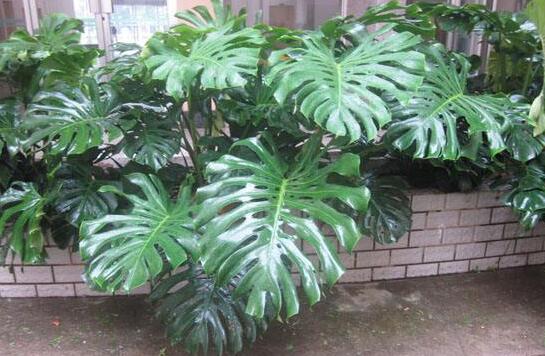
How do you get a Monstera deliciosa to develop leaf splits? Simply water it regularly, fertilize more, and increase light, and the problem is solved.
The leaves of the Monstera deliciosa are its most distinctive feature and one of the main reasons people love it. What makes the leaves so unusual is that they naturally develop splits once the plant reaches a certain stage of growth. However, some growers find that their Monstera deliciosa shows no sign of splitting for a long time.
条件筛选