-
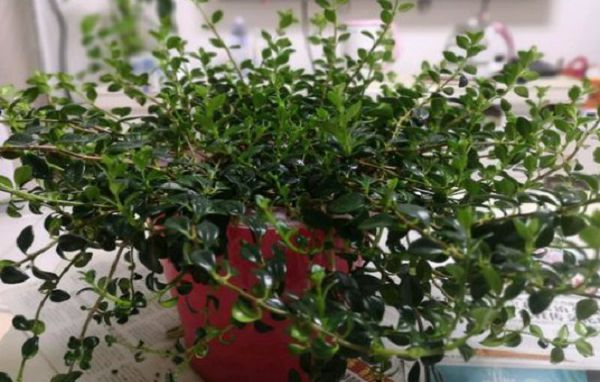
How to solve the problem of long, thin stems and small leaves on a goldfish plant
What should you do if a goldfish plant has long, thin stems and small leaves?
-
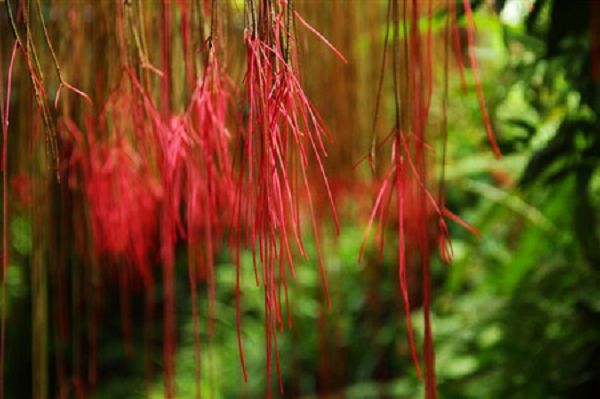
What are the common problems with Cissus sicyoides? Solutions explained in one article
Common problems with Cissus sicyoides and their solutions
-
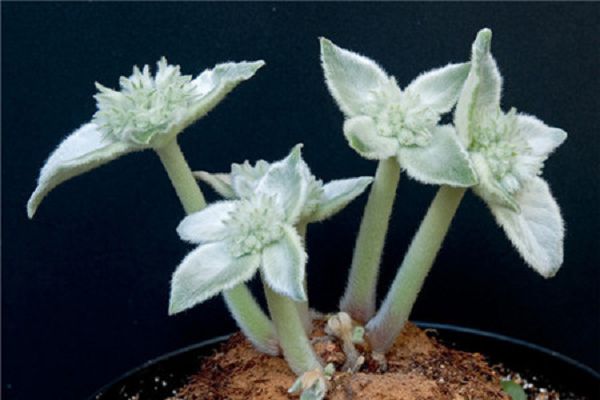
A Complete Guide to Common Problems with Moon Orchids and Their Solutions
Common Problems with Moon Orchids and Their Solutions
-
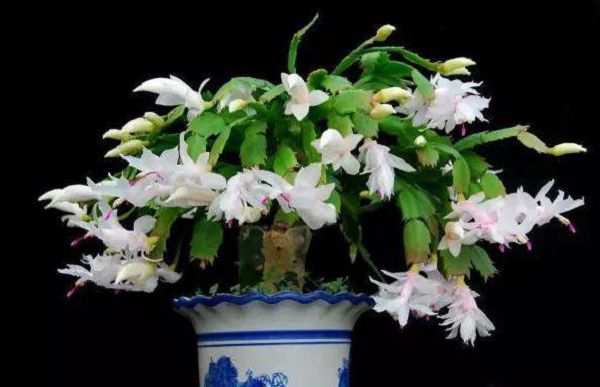
How to prevent and treat problems with Christmas cactus in winter?
When problems arise with Christmas cactus in winter, good prevention and treatment is key
-

Guide to Analyzing Common Tulip Cultivation Problems
Except in places with alpine climate conditions, tulips grown in open ground for ornamental display can only be planted in autumn and winter and enjoyed in spring; their blooming period is also short, with a single plant flowering for only about 10 days, and withering in 4-5 days when temperatures are high. By appropriately staggering the planting dates and combining varieties with different growth periods, blooming can be extended to about 1 month. The bulbs are extremely cold-hardy and can withstand low temperatures of -35°C in the soil, so ornamental cultivation in open ground is possible almost anywhere in China. Because tulip bulbs are expensive, widespread use for ornamental cultivation in open ground is still not possible at present. Tulips in open ground
-
The plane tree fluff problem is expected to be solved: Huazhong Agricultural University has cultivated hairless plane trees
It was learned from Huazhong Agricultural University that the university has cultivated hairless plane trees, which is expected to solve the problem of plane tree fluff pollution. The scientific name of the French plane tree is "Platanus", and it has advantages such as fast growth and a large, dense canopy, and is known as one of the "world's five major street trees." But from April to June each year, the seed balls of Platanus scatter and the pappus flies about, not only polluting the environment but also affecting people's health. For this flying fluff pollution, chemical pruning is mostly used in China, that is, spraying chemical agents to promote early shedding of the seed balls. But this method is labor-intensive and time-consuming, and is not easy to promote on a large scale.
-
Detailed Explanation of Common Problems in Phalaenopsis Cultivation
1. Key points for post-blooming care: After a Phalaenopsis blooms, it can still continue to bloom. Once the flowers fade, promptly cut off the flower stalk growing from the base of the plant to prevent nutrient consumption. 2. The flowers are pale and not vivid because the plant has been kept in a dark indoor place for a long time, resulting in poor ventilation and insufficient light. The frequency of ventilation must be increased, and sufficient light must be provided. 3. Drooping and soft leaves are mainly caused by insufficient light; the duration and intensity of light need to be gradually increased, and the leaf surface should be kept clean. Usually, when cleaning the leaf surface, do not wash or wipe it with water
-
Problems and Countermeasures in Winter Forcing Cultivation of Witloof Chicory
Witloof chicory, also known as Belgian endive, chicory witloof and French bitter chicory, is a biennial or perennial herbaceous plant of the Asteraceae family, grown for the chicons produced by forcing the fleshy roots after harvest. The chicons of witloof chicory are cream-colored, slightly bitter with a sweet note, extremely crisp and tender, and can be eaten raw or made into a delicious, appetizing salad. In particular, the chicons contain bitter compounds not found in ordinary vegetables, such as aesculin, lactucin, lactucopicrin and intybin, which have liver-protecting and bile-promoting health benefits, making it a aristocratic vegetable,,.
-

Common problems and solutions for growing flowers at home
Answers to common questions about growing flowers at home
-
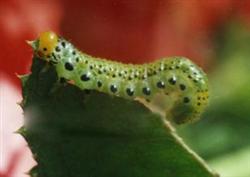
What to Do When Roses Have Pest Problems? A Detailed Guide to Prevention and Control Methods
Common pests that harm roses include leafcutter bees, stem sawflies, rose middle noctuid moths, cottony cushion scale, and red spider mites. Main control methods: 1. Leafcutter bees. They mainly damage the tender leaves of plants, and when they occur in large numbers they can bite complete leaves into ragged, incomplete ones within a short period. Mainly use manual capture of adults or spray 50%...
条件筛选