What to do when violet leaves turn yellow? Temperature and environment are the main causes, so you need to treat the root of the problem
Through the methods and precautions for growing violets, we know that the violet is a plant that prefers a cool climate. If the growing environment is not suitable for it, the result may be that it only grows leaves without blooming, and in severe cases the leaves may turn yellow. So what should you do when violet leaves turn yellow? Finding the cause is the most important thing.
What to do when violet leaves turn yellow
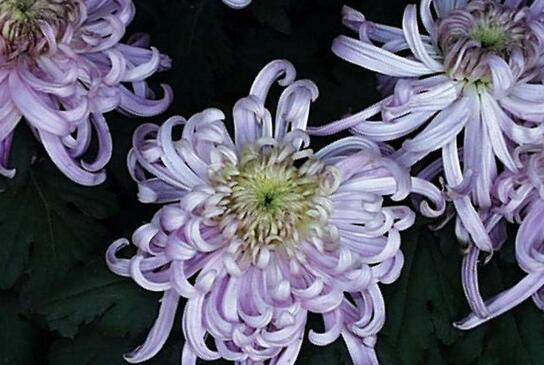
Since the violet's growth habits lean toward a cool, well-ventilated, semi-shaded environment, once the environment becomes unsuitable, the leaves may turn yellow or other symptoms may appear. The main causes of yellowing leaves are temperature, watering, light, fertilizing and environment. What should you do when violet leaves turn yellow? Below are solutions for each cause.
1. Temperature (temperature too high)
Many netizens have found that the violets they grow develop yellow leaves in summer. The cause of this situation is temperature that is too high. The most suitable temperature for violets is 15-18°C, while in most parts of China summer temperatures exceed 30°C, and this temperature very easily causes violet leaves to turn yellow.
What to do: When summer arrives or the temperature rises, move the violet to a lower-temperature environment, and at least ensure the ambient temperature is below 30°C. When sowing, try to choose autumn sowing, which can prevent the violet from already being in summer before its flowering period arrives.
2. Watering (too much or too little water)
Whether you water too much or too little, it can cause the leaves to turn yellow. Watering too little leaves the violet lacking the moisture necessary for growth, making the leaves lose their luster; watering too much causes excess moisture.
What to do: If violet leaves turn yellow due to watering, what should you do? The answer is to control the frequency and amount of watering. Watering should follow the rule of watering thoroughly only after the potting soil has dried out; that is, water after the soil dries, and water only enough to keep the soil moist. Do not let water accumulate, and do not let the soil become compacted.
3. Fertilizing (too little fertilizer)
During its vigorous growth period, the violet has a relatively high demand for nutrients. If too little fertilizer is applied, it will cause nutritional deficiency, which in turn leads to yellowing leaves.
What to do: Use diluted cake fertilizer water or other liquid fertilizer once every two weeks. When the flowering period arrives, adjust the type of fertilizer, and keep the fertilizer concentration and amount moderate.
4. Light (light too strong)
The violet's light requirements are moderate. It tolerates neither shade nor full sun. If the light is too strong, the result is that its leaves are overexposed and turn yellow.
What to do: If violet leaves turn yellow due to light, what should you do? Reduce the light intensity and use ordinary diffused light. While ensuring a certain amount of light, avoid exposing it to direct sunlight.
5. Environment (hot and stuffy with poor ventilation)
If the environment the violet is in is hot and stuffy with relatively poor ventilation, then even if temperature, watering and fertilizing are all correct, the leaves may still turn yellow, because this does not match its growth habits.
What to do: When growing violets, you must ensure the environment is well ventilated. If the leaves turn yellow, move it to a place with better ventilation, and after a period of care the yellowing of the leaves can be improved.
Summary: The main causes of violet leaves turning yellow are temperature, environment, watering and so on. When this happens, you should investigate the cause according to your own care habits. Only by accurately identifying the cause can the problem truly be solved; otherwise, the effects and benefits of the violet cannot be fully brought into play.
What to do when African violet leaves turn yellow: supplement light / stop watering / replace the potting soil
The African violet is one of the flowers most loved by many flower enthusiasts. Its flowers are small and dainty, with rich colors, and look incomparably beautiful against a backdrop of emerald green leaves. So when yellow leaves appear, all of this beauty is ruined, and flower lovers must be very anxious! So what should you do when African violet leaves turn yellow? Today the editor will help everyone solve this problem.
I. What to do when African violet leaves turn yellow
When it comes to the causes of African violet leaves turning yellow, generally speaking there are 4: if it is caused by an unsuitable environment, just grow it in the most suitable environment for its growth; if it is caused by insufficient light, supplement light while avoiding strong light; when there is too much watering, loosen the soil and air-dry the soil, and in severe cases trim the rotten roots and replace the potting soil; when there is too much fertilizer, irrigate to dilute it, trim off any rotten roots, and replace the potting soil.
II. Causes of African violet leaves turning yellow and solutions
1. Unsuitable environment
When it comes to the causes of African violet leaves turning yellow, everyone should first think of environmental problems. In a hot and dry environment, or one with poor air circulation, its leaves easily turn yellow. In addition, for potted plants bought online, because of the large regional distance and great environmental change, the plant cannot adapt for a while and yellow leaves also appear.
Solution: Grow the African violet in a ventilated, semi-shaded spot. When a newly bought potted plant has yellow leaves, you should provide the environment most suitable for its growth according to the African violet's growth habits, and before long the plant will return to health.
2. Insufficient light
Although the African violet dislikes strong light and is relatively shade-tolerant, light is also indispensable for its growth. Once the African violet is placed in a dark indoor spot for a long time, over time the plant will turn yellow because of a lack of photosynthesis.
Solution: Apart from summer, when the light is especially strong, the African violet can receive ample light in the other seasons. After doing this, the leaves will not only return to emerald green, but it will also be more conducive to the African violet blooming.
3. Too much watering
The African violet likes a moist environment, and during its growing season we should keep the potting soil slightly moist. But for beginners, the amount of watering is hard to judge, and too much watering and too frequent watering often occur, resulting in water accumulating in the pot. When the root system is soaked in water for a long time, its respiration becomes poor, the leaves cannot absorb nutrients, and naturally they turn yellow.
Solution: When you find you have watered too much, loosen the soil more and move the potted plant to a ventilated, sunny spot so the water evaporates quickly. If you do not find it in time and the roots have already rotted from soaking, you should take the plant out of the pot, trim off the rotten roots, and then replace it with new soil and replant it.
4. Improper fertilizing
① Insufficient fertilizer
The African violet likes fertilizer, and ample nutrients can make it bloom more beautifully. Once fertilizer is insufficient, it not only affects its blooming, but its leaves also turn yellow because of a lack of nutrients.
Solution: It is very simple. We only need to supplement fertilizer in time and it can slowly recover.
② Too much fertilizer
When fertilizing the African violet, everyone should apply thin fertilizer frequently; otherwise, once too much or too concentrated fertilizer is applied, it easily burns the plant's root system.
Solution: If found in time, irrigate to dilute the fertilizer and let it flow out from the bottom of the pot. If not found in time and the roots are burned and rotten, you need to trim off the rotten roots, replace the potting soil and replant.
Overall, the methods for growing African violets are not difficult, but not difficult does not mean they can be grown casually. To keep its leaves evergreen and not turning yellow, you must pay attention to light, water and fertilizer. Of course, do not panic when you find yellow leaves; just solve it according to the methods above. That is all the editor has to introduce about African violet leaves turning yellow, and I hope it can help everyone.
What to do when African violet leaves have yellow spots
In daily care of African violets, if they are not cared for well, yellow spots may appear on the leaves. So what causes yellow spots to appear on African violet leaves? Below are two causes of yellow spots and their treatment methods.
What to do when African violet leaves have yellow spots: 1. Light too strongIf the African violet is exposed to overly strong light, or to direct sunlight in summer, it will cause the leaves to wither and yellow, and in severe cases they may even be scorched to death.
How to solve itIf the leaves wither and yellow due to light, it is recommended to first move the African violet indoors for care, avoiding strong light exposure. If the yellowing of the leaves is very severe, it is recommended to remove them.
2. Improper watering positionWhen watering the African violet normally, you must pay attention to the watering position. If the water is poured onto the leaf surface, the water remaining on the leaves will also cause the African violet leaves to turn yellow and rot, or develop unsightly spots.
How to solve itWhen watering, flower lovers should not pour water directly onto the leaf surface. It is recommended to water slowly from the base of the stem. If you find leaves that have turned yellow and rotted due to watering, it is recommended to remove them in time.