-
What are the key points of post-harvest management techniques for plum trees
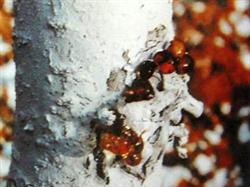
Gummosis is a common non-infectious disease of plum and other stone fruit trees, with an incidence rate as high as 76%-95%. Affected trees show yellowing leaves and weak branches, declining tree vigor, severe fruit drop, and may even die entirely. The bark at the affected area cracks and swells, exuding a soft, transparent gummy sap that oxidizes and congeals into a reddish-brown gelatinous substance. Caused by gummosis...
-
Detailed Explanation of Flower and Fruit Management Techniques for Plum Trees
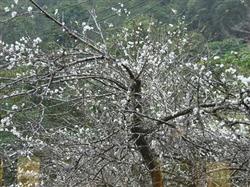
Plum trees produce a large number of flowers, but their self-pollination fruit-setting rate is low. To achieve stable and high yields, flower and fruit management is an important part. Flower and fruit management is mainly reflected in pollination, flower and fruit thinning, and flower and fruit preservation. 1. Pollination The most suitable time for pollination is in the early full-bloom stage. For pollination, choose flowers that have been open for no more than 3 days. ...
-
What causes plum trees to drop their flowers and fruit?
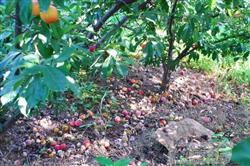
Plum trees flower easily, but often they are covered in blossoms yet carry only half a tree's worth of fruit. Heavy flowering consumes a lot of nutrients, and fruit drop is serious. Plum trees generally have three peak periods of flower and fruit drop: the first flower drop begins after flowering is complete, and the main cause is incompletely developed floral organs that have lost the ability to be fertilized or were never fertilized. The second fruit drop...
-
Two essential points you must know for pruning plum trees
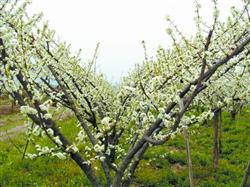
1. Root characteristics The plum tree has a shallow root system, most of which consists of absorbing roots, mostly distributed within the 20-40 cm soil layer, and the spread of horizontal roots is usually 1.2 times larger than the canopy diameter. The specific distribution range depends greatly on the variety and environmental conditions; for example, in deep sandy soil, vertical roots can reach more than 6 m. ...
-
Detailed Explanation of the "Three Early" Cultivation Techniques for Plums
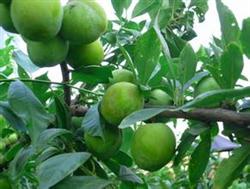
In recent years, plum trees have developed rapidly. As the area has increased, standardized cultivation and management techniques have become fundamental to efficient plum orchards. 1. Planting techniques 1.1 Variety arrangement Due to climatic constraints, varieties suitable for growing in our city should be selected, including Dazi Li, Yuhuang Li, Suiling Li, etc. Most plum varieties are self-fruitful...
-
Detailed Explanation of Key Management Techniques for Plum Trees During the Flowering and Fruiting Period
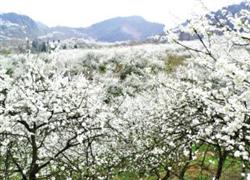
Management of plums during the flowering and fruiting period: Plum trees flower easily and have a high fruit-setting rate, but the fruit is small. To improve fruit quality, in addition to strengthening soil and fertilizer management and adopting summer pruning to control vegetative growth, flower and fruit thinning management should be carried out. Thin flowers during the flower bud swelling stage (late March), leaving one flower cluster branch and removing the next; at 20 to 30 days after flowering...
-
A Detailed Guide to Common Pests and Diseases of Plum Trees and Their Control Methods
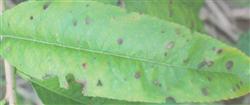
After the first pinching of plum trees, pinch the new secondary shoots when they reach 20 cm, and pinch the developing branches when they reach 60-80 cm. If there are many branches, some can be thinned out; if the branches are not too dense, thin as little as possible and rely more on control. Before mid-July, clear all weeds from the orchard. 1. Bacterial shot hole disease, can use carbendazim...
-
Spring Pest and Disease Control Methods for Protected Plum Trees
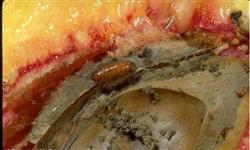
1. Mound soil at the base of the trunk. Before overwintering adults emerge from the soil (mid to late May), build a 10 cm thick mound of soil around the tree basin and tamp it down firmly so that emerging adults cannot come out of the soil. 2. Apply pesticide to the ground. Before overwintering adults emerge (after petal fall), spray the tree basin with 75% phoxim emulsifiable concentrate at 0.5 kg/mu, or 40...
-
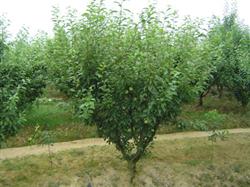
How to control alternate bearing in plums? These methods are essential
Plum trees have been cultivated in China for more than 3,000 years. The Book of Songs records "the blossoms are peach and plum" and "you throw me a peach, I return you a plum." The Guanzi states, "On the five fertile soils, the trees suited to them are plum and apricot." This shows that plum trees and apricot trees have a long history of cultivation in China and adapt well in both the north and the south. But for a long time, our...
-
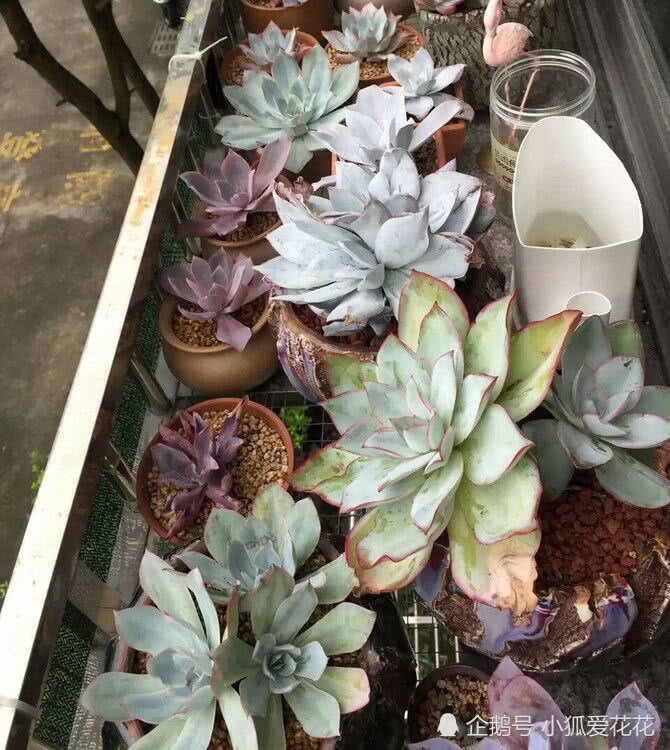
Propagate succulents this way: 1 pot becomes 10, every pot plump and fleshy
In summer, growers carefully tend their plants every day, afraid something might go wrong with their succulents, yet even so they could not help them escape summer's torment. Some succulents, unable to bear the heat, gave up and departed, leaving behind a pile of shriveled dead leaves, which is really...
条件筛选