Detailed Explanation of Flower and Fruit Management Techniques for Plum Trees
Plum trees produce a large number of flowers, but their self-pollination fruit-setting rate is low. To achieve stable and high yields, flower and fruit management is an important part. Flower and fruit management is mainly reflected in pollination, flower and fruit thinning, and flower and fruit preservation. 1. Pollination The most suitable time for pollination is in the early full-bloom stage. For pollination, choose flowers that have been open for no more than 3 days. ...
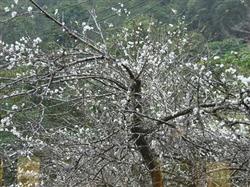
Plum trees produce a large number of flowers, but their self-pollination fruit-setting rate is low. To achieve stable and high yields, flower and fruit management is an important part. Flower and fruit management is mainly reflected in pollination, flower and fruit thinning, and flower and fruit preservation.
1. Pollination
The most suitable time for pollination is in the early full-bloom stage. For pollination, choose flowers that have been open for no more than 3 days; flowers open for more than 4 days have poor pollination results. The sign that a flower is suitable for pollination is that some anthers of the stamens have not yet split open, the pistil style is fresh, and the stigma is sticky.
Collect buds whose petals have become loose but have not yet opened, gather the anthers and pollen, prepare the pollen solution, and use a sprayer to spray for pollination. Note to choose windless weather and spray evenly.
2. Flower and Fruit Preservation
In production, growth regulators and nutrient elements are usually sprayed to promote pollen tube elongation and promote fruit setting. Spraying 20 mg/L gibberellin at the flowering stage, spraying a mixed solution of 0.2% potassium dihydrogen phosphate and 2,4-D at 20 mg/kg at the full-bloom stage, and spraying a mixed solution of 0.2% potassium dihydrogen phosphate + 2,4-D at 20 mg/kg at the flower-fall stage can all increase plum tree yields.